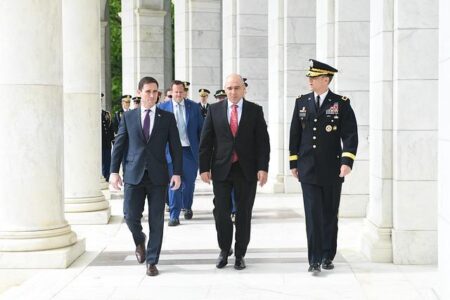

Buenos Aires – Argentina’s controversial economist-turned-politician Javier Milei is making his way back to the United States, aiming to reinforce his burgeoning transnational profile amid a delicate balancing act. As Milei cultivates ties with former President Donald Trump and conservative U.S. circles, he simultaneously oversees Argentina’s expanding trade relationship with China, positioning himself at the crossroads of competing global influences. This latest visit underscores the complexities facing Argentina as it navigates shifting geopolitical currents while pursuing economic opportunities abroad.
Argentina’s Milei Strengthens Political Alliance During US Visit
During his latest visit to the United States, Argentine economist and political figure Javier Milei focused on consolidating key alliances amid an increasingly complex geopolitical landscape. Known for his outspoken support of former President Donald Trump, Milei engaged with conservative circles to strengthen bilateral ties while simultaneously navigating Argentina’s expanding economic relationship with China. His agenda underlined a pragmatic approach, balancing ideological affinity with Trump’s policies alongside the necessity of fostering trade and investment opportunities with Beijing.
Key points from Milei’s US engagement include:
- Meetings with influential Republican lawmakers to discuss future cooperation.
- Efforts to attract American investors to Argentina’s emerging markets.
- Maintaining a diplomatic stance that embraces China’s growing role in Argentine commerce without alienating Western partners.
- Strategic dialogues aimed at positioning Argentina as a pivotal player in global supply chains.
Navigating Complex Relations Between Trump Support and Economic Diplomacy
As Argentina’s economic landscape shifts amidst global tensions, the political figure’s return to the US highlights a careful diplomatic dance, blending strong affinities with former President Trump and the pragmatic urgency of boosting trade relations with China. His visit underscores an ongoing effort to leverage support within the Republican base while navigating a multi-faceted international economy that demands more than ideological alignment. Key aspects of this balancing act include:
- Capitalizing on populist momentum: Strengthening ties with Trump-aligned circles to solidify political backing ahead of critical election cycles.
- Economic pragmatism: Managing robust trade flows with China, Argentina’s largest trading partner, to sustain macroeconomic stability.
- Diplomatic versatility: Positioning Argentina as a strategic player capable of engaging both Western allies and Eastern powers.
This nuanced approach reveals the complexity of modern economic diplomacy where ideological loyalties do not preclude fostering mutually beneficial partnerships with global powerhouses. Officials in Buenos Aires are evidently aware that any tilt too far toward the US’s more populist right risks alienating critical trade channels, especially with Beijing. Consequently, this balancing act is less about choosing sides and more about crafting a sustainable path forward amid an increasingly unpredictable geopolitical environment.
Recommendations for Balancing Domestic Interests with Expanding China Trade Partnerships
To effectively navigate the complex landscape where national priorities intersect with international ambitions, policymakers must adopt a nuanced approach that prioritizes transparency and sustainable growth. Emphasizing open dialogues between domestic stakeholders-including industry leaders, labor unions, and community representatives-ensures that economic benefits from expanding trade ties with China resonate throughout Argentina’s diverse socioeconomic fabric. Striking this balance requires targeted investment in technology and infrastructure that supports both traditional sectors and emerging industries, thereby fostering job creation and long-term competitiveness without compromising local market stability.
Strategic diversification of trade partnerships is equally crucial. While deepening economic connections with China offers significant advantages, maintaining robust ties with the United States and other global players provides a vital buffer against geopolitical fluctuations. Key recommendations include:
- Establishing bilateral frameworks that safeguard critical industries and intellectual property rights.
- Enhancing regulatory cooperation to streamline customs and reduce trade barriers.
- Promoting joint ventures and innovation hubs to transfer skills and technology domestically.
This pragmatic strategy enables Argentina to leverage global opportunities while preserving sovereignty and promoting inclusive economic growth at home.
Insights and Conclusions
As Argentina’s Milei embarks on another visit to the United States, his administration faces the delicate task of navigating a complex geopolitical landscape. Balancing close ties with former President Donald Trump’s circle while expanding economic engagement with China underscores a strategic approach to foreign policy amid shifting global dynamics. How Milei manages these relationships in the coming months will be crucial not only for Argentina’s international standing but also for its economic future.