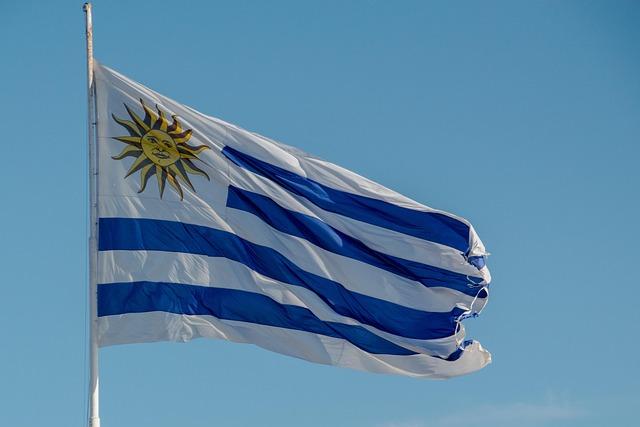
Uruguay and Argentina have become the first Mercosur members to officially ratify the long-awaited trade agreement with the European Union, marking a significant milestone in international commerce. The deal, years in the making, aims to boost economic ties between South America and Europe by reducing tariffs and expanding market access. This development signals a pivotal step forward in strengthening economic integration within Mercosur and enhancing trade relations on a global scale.
Uruguay and Argentina Pave the Way for Mercosur-EU Trade Partnership
Uruguay and Argentina have taken a historic step by becoming the first Mercosur countries to officially ratify the long-anticipated trade agreement with the European Union. This milestone marks a significant move forward in enhancing economic ties between South America and Europe, promising to open new markets and foster increased commerce. Both nations emphasized the potential benefits for exporters, citing improved access for agricultural products, manufactured goods, and services.
The agreement is expected to boost investment flows and strengthen cooperation on regulatory standards, environmental policies, and labor rights. Key highlights include:
- Reduction of tariffs on a majority of goods traded between the two blocs.
- Enhanced protections for intellectual property and geographical indications.
- Commitments to sustainable development with provisions addressing climate change and biodiversity.
This ratification by Uruguay and Argentina could serve as a catalyst for other Mercosur members to follow suit, potentially accelerating the implementation of the EU-Mercosur deal that has been in negotiation for over two decades.
Economic Impacts and Sectoral Opportunities Emerging from the Agreement
The ratification of the EU trade pact by Uruguay and Argentina signals a transformative economic shift for both countries, promising to unlock new avenues for growth and cooperation. By reducing tariffs and streamlining customs procedures, this agreement is expected to enhance trade flows across key sectors including agriculture, manufacturing, and technology. Notably, exporters of beef, soybeans, and wine stand to benefit from improved access to European markets, thereby boosting rural economies and strengthening value chains. At the same time, increased foreign investment is anticipated as companies seek to capitalize on the harmonized regulatory environment, fostering innovation and competitiveness across various industries.
Several sectors are poised to capitalize on fresh opportunities emerging from the pact’s implementation:
- Agribusiness: Expanded market access for premium products, accompanied by sanitary and phytosanitary cooperation to ensure compliance with EU standards.
- Automotive and Manufacturing: Reduction of import duties facilitating cross-border supply chains and encouraging regional integration within Mercosur.
- Renewable Energy: Collaboration potential grows as both regions emphasize sustainable development and clean technology.
- Services and Digital Economy: Enhanced provisions spur growth in fintech, e-commerce, and professional services sectors.
This multidimensional impact underscores the strategic importance of early ratification, positioning Uruguay and Argentina as pivotal players shaping the future economic landscape of Mercosur-EU relations.
Policy Recommendations for Maximizing Benefits and Addressing Regulatory Challenges
To fully leverage the advantages of the Mercosur-EU trade agreement, policymakers in Uruguay and Argentina must prioritize streamlined customs procedures and transparent regulatory frameworks. Simplifying bureaucratic processes will facilitate smoother trade flows, reducing delays and costs for exporters and importers alike. Additionally, fostering collaboration between private sector stakeholders and government agencies can enhance industry readiness, especially in sectors poised to benefit most from the pact, such as agriculture, automotive, and technology.
Addressing regulatory challenges requires a focused approach on harmonizing standards and ensuring environmental and labor protections align with EU expectations. Key recommendations include:
- Implementing robust monitoring systems to track compliance and mitigate disputes promptly.
- Strengthening institutional capacities for trade dispute resolution and enforcement of intellectual property rights.
- Promoting capacity-building programs to assist small and medium enterprises in adapting to new market conditions.
By adopting these measures, Uruguay and Argentina can maximize the benefits of the landmark trade pact while safeguarding national interests and fostering sustainable economic growth.
Closing Remarks
The ratification of the EU-Mercosur trade agreement by Uruguay and Argentina marks a significant milestone in the long-awaited deal, signaling growing momentum within the bloc. As the first Mercosur members to formalize their commitment, both countries pave the way for enhanced economic cooperation and expanded market access between South America and Europe. Observers now await further ratifications from other Mercosur members, which will be crucial for the agreement’s full implementation and the potential transformation of regional trade dynamics.