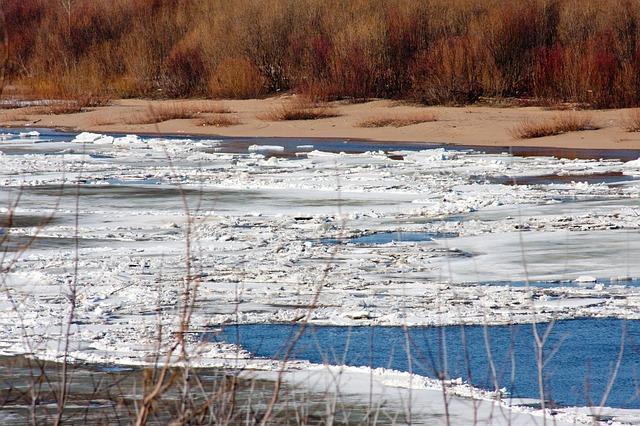
Drift ice, a striking natural phenomenon that transforms Japan’s northern seas into a shimmering expanse of ice floes each winter, is rapidly becoming a rare sight. Known locally as “ryuhyo,” this seasonal spectacle draws visitors eager to witness the ethereal beauty of ice drifting along the coast of Hokkaido. However, climate change and rising temperatures are threatening the very existence of this winter miracle. As the window to experience drift ice narrows, experts and tourism officials urge travelers to visit now before this iconic symbol of Japan’s northern wilderness fades away.
Drift Ice in Japan A Vanishing Natural Wonder Shaping Coastal Ecosystems
As winter descends upon the northern coast of Japan, vast sheets of drift ice gracefully glide along the Sea of Okhotsk, creating a mesmerizing spectacle that has captivated locals and tourists alike for centuries. This frozen phenomenon, known locally as ryuhyo, plays a crucial role in shaping the region’s coastal ecosystems. The ice serves as a natural platform for a diverse array of wildlife, including seals, eagles, and various migratory birds, which rely on the habitat it provides for feeding and breeding. Moreover, the drift ice acts as a key environmental regulator, influencing sea temperatures and nutrient flows that sustain the rich marine biodiversity offshore.
However, this winter marvel is increasingly under threat due to rising global temperatures. The declining extent of drift ice has profound consequences for both the environment and the local fishing communities who depend on its presence. Researchers warn that without urgent conservation efforts, the disappearance of drift ice could disrupt the delicate balance of coastal ecosystems and diminish the natural heritage Japan has long treasured. Key concerns include:
- Loss of critical habitat for endangered marine species
- Reduced fish stocks affecting local fisheries
- Changes in coastal climate patterns and erosion rates
These challenges highlight the urgent need to raise awareness and promote sustainable practices to preserve this vanishing natural wonder for future generations.
How Climate Change Threatens the Seasonal Arrival of Drift Ice in Hokkaido
The annual spectacle of drift ice flowing along the northern coasts of Hokkaido has long been a symbol of winter’s icy grip on Japan. However, this enchanting natural phenomenon now faces unprecedented threats as global temperatures continue to rise. Warmer seas disrupt the delicate balance required for sea ice to form and drift southward from Siberian shores. Scientists have observed a gradual decline in both the extent and thickness of the ice over recent decades, signaling a worrying trend that could erase this winter wonder from the region’s shores.
Climate change impacts the drift ice in several crucial ways, including:
- Rising ocean temperatures: Even slight increases inhibit ice formation and accelerate melting.
- Altered wind patterns: Changes in atmospheric circulation influence the movement and distribution of the ice.
- Shortened ice seasons: The period during which drift ice is visible and substantial is becoming increasingly brief.
As these forces continue to intensify, the drifting ice that has long captivated visitors and locals alike faces an uncertain future, underscoring the urgent need to understand and mitigate the broader impacts of climate change.
Best Spots and Tips for Experiencing Japan’s Winter Drift Ice Before It’s Gone
For those eager to witness the ethereal beauty of Japan’s drift ice, the northern region of Hokkaido offers some of the most spectacular vantage points. Abashiri’s Coastline and the Sea of Okhotsk provide a front-row seat to the mesmerizing sight of massive ice floes floating silently by. Visitors can take advantage of specialized drift ice sightseeing cruises, which get you up close to the glittering ice sheets while sharing insights into the fragile ecosystem. Alternatively, stroll along the scenic Cape Notoro for panoramic views where icy waters meet the rugged coastline. Keep in mind, the prime viewing window is typically from late January to mid-March, when the ice extent reaches its peak.
To make the most of this fleeting natural phenomenon, consider these expert tips:
- Dress warmly and in layers, as temperatures can plunge dramatically along the coast.
- Plan your trip midweek to avoid crowds, especially on popular cruises and observation spots.
- Check daily ice reports issued by the Japan Coast Guard for updated ice conditions.
- Bring a camera with a zoom lens to capture the intricate textures and shifting ice patterns.
- Combine your drift ice tour with visits to local seafood markets offering fresh catches from the icy seas-truly a sensory experience.
As climate change accelerates, these ice formations are becoming more unpredictable and scarce, making each winter’s drift ice display a precious and increasingly rare spectacle.
Final Thoughts
As climate change accelerates, the drift ice along Japan’s northern coast faces an uncertain future, making this natural phenomenon an increasingly rare spectacle. For travelers and nature enthusiasts alike, witnessing the ethereal beauty of these floating ice floes is more than just a winter attraction-it’s a fleeting glimpse of a disappearing world. Now is the time to experience the drift ice firsthand before it becomes a memory lost to warming seas.