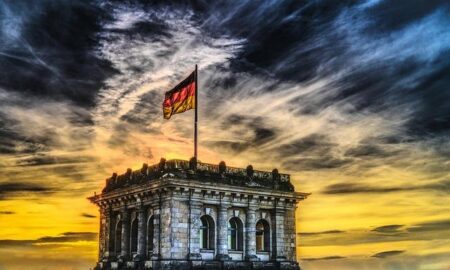

French President Emmanuel Macron has announced plans to expand the country’s nuclear arsenal as part of a broader strategy to strengthen national security and reinforce Europe’s strategic autonomy. In a move signaling closer defense collaboration, France aims to coordinate efforts with Germany and other European partners to bolster a collective nuclear deterrent. This development comes amid growing geopolitical tensions and shifting security dynamics, underscoring the rising importance of nuclear capabilities in Europe’s defense planning.
Macron Pushes for Expanded French Nuclear Arsenal Amid Rising Global Tensions
French President Emmanuel Macron has called for a significant expansion of France’s nuclear capabilities, positioning the move as a strategic response to escalating geopolitical uncertainties. Emphasizing the need to reinforce national security, Macron outlined proposals to increase the number of nuclear warheads and enhance delivery systems. This approach aims to maintain France’s status as a key player in global deterrence while addressing the shifting balance of power amid rising tensions in Eastern Europe and beyond.
In addition to bolstering France’s own arsenal, Macron advocates for closer collaboration with Germany and other European allies to develop a coordinated “deterrent” strategy. This initiative includes:
- Joint research and development of next-generation nuclear technologies
- Shared intelligence and early-warning systems
- Integrated command and control mechanisms to streamline nuclear response capabilities
By fostering multilateral partnerships, Macron seeks to present a unified front against potential threats while reinforcing Europe’s strategic autonomy amid a complex global security landscape.
Strategic Partnership with Germany and Allies to Strengthen European Deterrence
President Macron’s call to augment France’s nuclear capabilities comes alongside a clear push to deepen collaboration with Germany and key European allies, signaling a unified front against evolving geopolitical threats. This strategic alliance underscores the imperative of bolstering collective security measures across the continent, ensuring that deterrent postures remain credible and adaptive in today’s complex security environment. France aims to integrate its nuclear strategy with broader European defense policies, enhancing interoperability and joint strategic planning.
Central to this initiative are several priority actions:
- Enhanced intelligence sharing: Strengthening real-time collaboration to anticipate and counter emerging threats.
- Joint military exercises: Conducted regularly to improve coordination and readiness among allied forces.
- Defense technology development: Co-investing in next-generation deterrence systems and delivery platforms.
- Policy synchronization: Aligning diplomatic efforts to present a cohesive stance on nuclear deterrence and arms control.
These steps reflect a commitment to a robust European deterrent, reinforcing the continent’s strategic autonomy while fostering a united response in an increasingly volatile international landscape.
Experts Recommend Enhanced Defense Collaboration and Investment in Advanced Nuclear Technologies
In response to evolving geopolitical tensions, defense experts are urging a significant boost in collaborative efforts among European allies to strengthen nuclear deterrence capabilities. This entails deepening partnerships, particularly between France and Germany, to unify strategic planning and intelligence sharing. Experts highlight that such cooperation is essential not only for maintaining a credible deterrent but also for ensuring swift and coordinated responses to emerging threats. By pooling resources and expertise, nations can enhance operational readiness and present a unified front against potential adversaries.
Key recommendations from analysts include:
- Increased joint research and development initiatives focused on advanced nuclear warhead designs.
- Investment in next-generation delivery systems that improve accuracy and survivability.
- Establishment of a shared command and control framework to streamline decision-making processes.
- Enhanced cybersecurity measures to protect critical nuclear infrastructure from emerging digital threats.
These strategic moves signal a shift towards not only augmenting the size of national arsenals but also modernizing them through cutting-edge technology. Experts contend that sustained investment in innovation will be pivotal in maintaining strategic stability and deterring aggression in an increasingly complex security landscape.
Insights and Conclusions
As France moves to bolster its nuclear capabilities and deepen strategic collaboration with Germany and other partners, the evolving landscape of European defense signals a renewed emphasis on deterrence amid growing geopolitical uncertainties. President Macron’s call reflects a broader push within the continent to reinforce security structures and maintain stability in an increasingly complex global environment. Observers will be watching closely as these developments unfold and shape the future of European defense policy.