
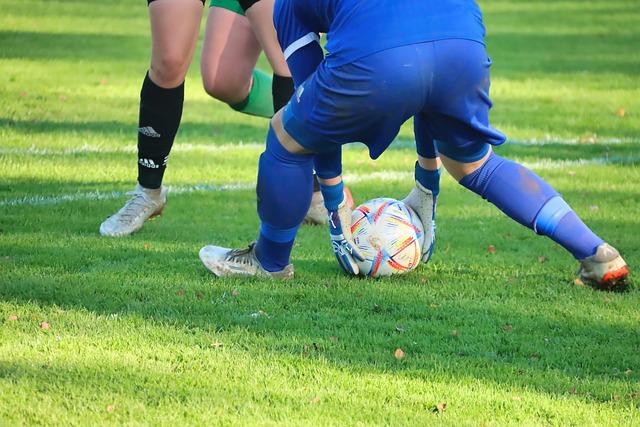
Brazil and Venezuela are set to face off in a highly anticipated friendly match that offers a compelling glimpse into the rising competitiveness of women’s football in South America. As both teams prepare to take the field, an analysis of their recent performances, key player statistics, and head-to-head history provides crucial context for fans and analysts alike. This article examines the latest developments and statistical trends ahead of the clash, highlighting the evolving dynamics between these neighboring rivals.
Brazil and Venezuela Women’s Friendly Matches Overview
The recent series of friendly matches between Brazil and Venezuela’s women’s national teams has showcased a blend of emerging talents and seasoned performers, reflecting the growing competitiveness in South American women’s football. Brazil, traditionally dominant in the region, continues to leverage its technical prowess and experience, delivering dynamic attacking plays and maintaining robust defensive lines. Venezuela, on the other hand, has demonstrated significant progress, employing a disciplined tactical approach and showing resilience, which has narrowed the gap between the two sides in recent encounters.
Analyzing the head-to-head statistics, several key trends emerge:
- Brazil’s winning streak: The Seleção has secured the majority of victories in their last five friendlies against Venezuela, often capitalizing on early goals.
- Venezuela’s defensive improvements: The Vinotinto have tightened their backline considerably, limiting Brazil’s goal-scoring opportunities compared to previous meetings.
- Goal distribution: Brazil’s goals have been spread across various players, highlighting squad depth, while Venezuela’s scoring primarily depends on their forwards’ sharpness in counterattacks.
These encounters serve not only as preparation for major tournaments but also as a platform for both nations to assess tactical adjustments and player development ahead of more competitive fixtures.
Key Player Performances and Tactical Analysis
Brazil’s attacking prowess was once again on full display as their frontline consistently breached Venezuela’s defensive lines. standout performances came from forward Debinha, whose agility and quick decision-making created multiple goal-scoring opportunities. Midfielder Geyse also showcased her versatility, combining skillful dribbling with precise passing, acting as the critical link between midfield and attack. On the defensive side, goalkeeper Barbara made several crucial saves, denying Venezuela any clear chances and maintaining the clean sheet. The Samurais’ tactical discipline allowed them to control possession for large stretches, dictating the tempo and exploiting Venezuela’s high defensive line with swift counterattacks.
Venezuela, despite being on the back foot for much of the match, demonstrated moments of resilience and tactical adaptability. Their midfield duo worked tirelessly to regain possession and launch sporadic counters, but a lack of final third composure limited the threat they posed. Coach Pamela Conti’s decision to press high in the first half aimed to disrupt Brazil’s rhythm but was eventually neutralized by the hosts’ patient buildup and movement off the ball. Key players like Oriana Altuve showed flashes of creativity, but the team’s overall lack of cohesion in the attacking third was apparent. The tactical setup favored Brazil’s fluid 4-3-3 system against Venezuela’s more static 4-4-2, highlighting the difference in experience and strategy between both sides.
Strategies for Venezuela to Challenge Brazil’s Dominance in Future Encounters
To disrupt Brazil’s prevailing advantage, Venezuela must prioritize tactical discipline and physical conditioning. Investing in structured defensive setups that limit Brazil’s dynamic attackers can create more opportunities to capitalize on counterattacks. Emphasizing fast transitions, particularly through the wings, could exploit spaces left vacant by Brazil’s aggressive offensive style. Additionally, fostering greater midfield control through precise passing and movement will be crucial in disrupting Brazil’s rhythm and creating scoring chances.
Key strategies for Venezuela include:
- Developing youth programs focused on technical skills and game intelligence
- Scouting and integrating versatile players to enhance tactical flexibility
- Utilizing video analysis to identify and exploit weaknesses in Brazil’s formations
- Strengthening mental resilience to maintain composure under pressure
By combining these approaches with a relentless work ethic, Venezuela can increasingly challenge Brazil’s longstanding dominance and close the gap in upcoming friendlies and competitive fixtures.
Key Takeaways
As Brazil and Venezuela continue to develop their women’s national teams, their head-to-head encounters in friendly matches offer valuable insights into the evolving landscape of women’s football in South America. While Brazil remains the dominant force, Venezuela’s growing competitiveness signals a promising future for regional rivalries. These statistics not only highlight past performances but also set the stage for upcoming fixtures, reflecting broader efforts to raise the profile of the women’s game. Fans and analysts alike will be watching closely as both teams strive to strengthen their squads ahead of major international tournaments.