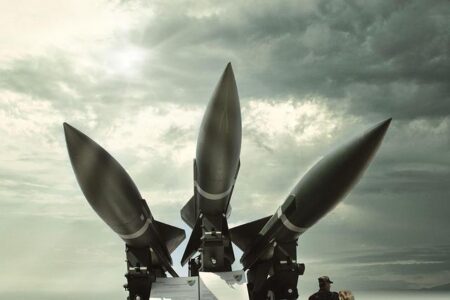
Israel has intensified efforts to intercept missiles reportedly launched from Iran, according to recent statements highlighted by France 24. The escalating tensions in the region have prompted Israeli defense forces to bolster their missile defense systems amid concerns over potential threats from Tehran. This development underscores the growing unease surrounding Iran’s missile capabilities and the broader security challenges facing Israel.
Israel ramps up missile defense amid rising threats from Iran
In response to escalating regional tensions, Israel has significantly enhanced its missile defense infrastructure to counter the increasing threat of missile launches originating from Iran. The Israeli military has deployed advanced systems including the Iron Dome, David’s Sling, and Arrow missile defense batteries, aiming to intercept a wide array of airborne threats before they can inflict damage. These upgrades come amid intelligence reports indicating a notable rise in missile activity and potential hostile intentions from Tehran, which Israeli defense officials consider a critical challenge to national security.
Key components of the fortified strategy include:
- Expanded radar coverage across Israel’s northern and central regions to provide early warning capabilities.
- Integration of multi-tier defense layers designed to counter short, medium, and long-range missile threats simultaneously.
- Enhanced collaboration with regional allies and intelligence-sharing to preempt potential attacks.
Military experts emphasize that while these defensive measures substantially reduce risks, the evolving sophistication of missile technology from Iran necessitates continuous adaptation and vigilance. The current build-up reflects Israel’s determination to maintain a robust defense posture amid an unpredictable security landscape.
Analyzing the strategic implications of Iran’s missile launches on regional stability
The missile launches attributed to Iran have escalated tensions across the Middle East, prompting urgent responses from regional actors and international powers alike. These developments underscore Tehran’s strategic intent to assert its influence while challenging the military balance, especially concerning Israel’s security apparatus. The increased frequency and sophistication of missile tests signal a profound shift in deterrence postures, compelling neighboring states to reassess their defense strategies and alliances. Beyond immediate military considerations, these actions risk destabilizing fragile diplomatic negotiations and heightening the potential for miscalculations that could spiral into broader conflict.
Key implications for regional stability include:
- Enhanced missile defense readiness: Israel and its allies are compelled to invest heavily in interception technologies and early warning systems.
- Heightened proxy conflicts: The missile activities may embolden allied non-state actors, exacerbating conflicts in Lebanon, Syria, and Gaza.
- Diplomatic strain: Increased hostility hampers ongoing efforts for de-escalation and peace talks, particularly between Iran and Gulf Cooperation Council states.
Collectively, these factors contribute to an environment of unpredictability that threatens to undermine long-term regional security frameworks and international stability efforts.
Experts recommend enhanced intelligence cooperation and diplomatic engagement to de-escalate tensions
In light of recent missile interceptions reportedly linked to launches from Iran, analysts stress the urgent need for strengthened intelligence sharing among regional and global stakeholders. Enhanced collaboration could prove pivotal in detecting threats early, mapping hostile networks, and preventing potential escalations before they spiral out of control. Experts argue that siloed efforts leave gaps vulnerable to exploitation, urging a more unified approach to counteract emerging security challenges in the Middle East.
Alongside intelligence cooperation, diplomatic channels must be actively engaged to promote dialogue and reduce tensions between conflicting parties. Proposed measures include:
- Facilitated communication between Israel and Iranian representatives through neutral intermediaries.
- Multilateral forums aimed at conflict resolution and confidence-building.
- Reinforcement of international agreements and commitments on missile proliferation.
Experts maintain that combining robust intelligence frameworks with sustained diplomatic initiatives offers the best pathway to stable security and lasting peace in the volatile region.
To Wrap It Up
As tensions continue to escalate in the region, Israel’s efforts to intercept missiles reportedly launched from Iran underscore the fragile security environment in the Middle East. The developments highlight ongoing concerns over missile proliferation and the broader geopolitical struggle between Tehran and Jerusalem. International actors remain watchful as the situation evolves, emphasizing the urgent need for dialogue and restraint to prevent further escalation.