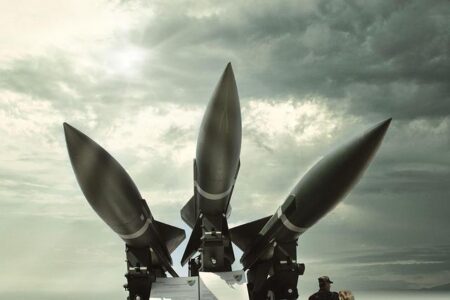

France, Italy, and Greece have announced plans to coordinate the deployment of military assets to the Mediterranean Sea, signaling a renewed effort to address regional security challenges. The joint initiative, reported by Le Monde.fr, aims to enhance surveillance, bolster maritime security, and respond to emerging threats in the strategically vital waters. This trilateral cooperation comes amid growing geopolitical tensions and increased migration flows, underscoring the Mediterranean’s significance as a focal point for European defense and security policy.
France Italy and Greece Strengthen Military Collaboration in the Mediterranean
In a decisive move to bolster regional security, France, Italy, and Greece have agreed to a coordinated effort in deploying military assets across the Mediterranean. This trilateral initiative seeks to enhance surveillance, intelligence sharing, and rapid response capabilities amid escalating geopolitical tensions and the growing challenges posed by maritime security threats. Officials highlight that the joint deployment will focus on critical areas such as counter-terrorism operations, monitoring of migratory routes, and safeguarding vital shipping lanes, thereby reinforcing stability in one of the world’s most strategically significant regions.
The collaboration will see the integration of naval fleets, air forces, and reconnaissance units, creating a unified command structure that allows for seamless coordination and resource optimization. Among the key elements outlined are:
- Joint naval patrols to assert maritime control and deter illegal activities
- Shared intelligence networks improving situational awareness and threat assessment
- Mutual training exercises to enhance interoperability between the French, Italian, and Greek armed forces
- Strategic asset positioning for rapid deployment in crisis scenarios
This trilateral partnership symbolizes a significant commitment from all three nations to address emerging security challenges collaboratively, positioning the Mediterranean as a more secure and resilient geopolitical arena.
Strategic Implications of Coordinated Deployment for Regional Security
The announced trilateral coordination between France, Italy, and Greece marks a significant shift in the strategic landscape of the Mediterranean. By synchronizing the deployment of military assets, these nations aim to enhance surveillance, deterrence, and rapid response capabilities in a region fraught with geopolitical tensions, migration challenges, and maritime disputes. This concerted effort not only signals an increased commitment to collective defense but also serves as a tangible expression of European solidarity, bolstering their influence against external pressures from rival powers and non-state actors.
Key strategic benefits arising from this aligned approach include:
- Improved operational efficiency: Streamlined communication and joint exercises reduce redundancies and enable more effective use of resources.
- Enhanced maritime security: Coordinated patrols support the protection of critical sea lines of communication and curb illicit trafficking activities.
- Political signaling: The alliance projects a unified front that may deter regional escalations and underscore commitment to NATO and EU security frameworks.
As France, Italy, and Greece deepen their collaboration, the broader Mediterranean security architecture is expected to become more resilient, potentially shaping future defense initiatives and regional partnerships.
Recommendations for Enhancing Multinational Naval Operations and Intelligence Sharing
To optimize the coordinated dispatch of military assets in the Mediterranean, it is essential to establish a robust framework for real-time data sharing among France, Italy, and Greece. Implementing a centralized digital platform that enables seamless communication can reduce response times and enhance situational awareness. This platform should be equipped with advanced cybersecurity measures to protect sensitive information and ensure uninterrupted intelligence flow during critical operations. Additionally, standardizing protocols across naval units will facilitate interoperability, allowing for more cohesive joint maneuvers and strategic planning.
Focused training programs and joint exercises must be regularly conducted to strengthen trust and operational synergy between participating nations. These initiatives could include:
- Cross-deck deployment drills to familiarize crews with allied vessels and command systems.
- Multilingual communication workshops aimed at breaking down language barriers during missions.
- Shared intelligence briefings that integrate satellite surveillance, maritime patrol data, and human intelligence inputs.
By embedding these practices, the alliance will not only enhance maritime security but also ensure the rapid and effective coordination of assets in the face of emerging challenges in the Mediterranean basin.
Wrapping Up
As France, Italy, and Greece move towards a coordinated deployment of military assets in the Mediterranean, the move underscores the growing strategic importance of the region amid escalating security challenges. This trilateral cooperation signals a strengthened commitment among the three nations to safeguard their interests and enhance regional stability. Observers will be watching closely how this joint initiative unfolds and what implications it may have for broader European and Mediterranean security dynamics.