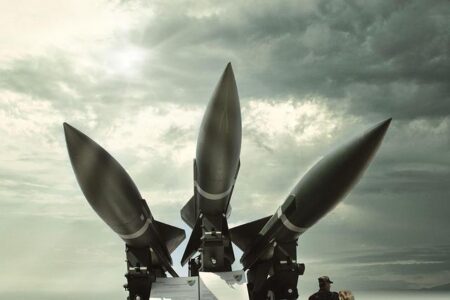

A growing body of psychological research is shedding light on the troubling connection between certain personality traits and the outbreak of armed conflict. In particular, authoritarianism and narcissism-two characteristics often found in political and military leaders-are being closely examined for their roles in escalating tensions and driving hostility between nations. This article, featured in Psychology Today, delves into the clinical links between these traits and the dynamics of war, exploring how deeply ingrained psychological patterns can influence decisions on the battlefield and beyond.
Authoritarianism and Narcissism as Catalysts in Armed Conflict
In the complex landscape of global conflicts, psychological traits such as authoritarianism and narcissism have surfaced as significant drivers behind aggressive political behaviors and warfare. Leaders exhibiting authoritarian tendencies often cling to centralized power, suppress dissent, and cultivate a culture of obedience, creating an environment ripe for conflict escalation. When intertwined with narcissistic traits-characterized by grandiosity, entitlement, and a relentless need for validation-these leaders may perceive external threats as personal affronts, prompting disproportionate and often violent responses. Recent studies highlight how this toxic combination not only heightens the risk of initiating armed confrontations but also prolongs conflicts due to an unwillingness to compromise or acknowledge vulnerabilities.
Experts point to several psychological mechanisms at play:
- Projection and scapegoating: Narcissistic leaders often externalize blame, targeting minority groups or rival nations to unify their base and divert attention from internal issues.
- Inflexibility in decision-making: Authoritarian regimes frequently discount advice and suppress opposing viewpoints, leading to miscalculations in military and diplomatic arenas.
- Disdain for international norms: Both personality traits can foster a sense of superiority and exceptionalism, undermining cooperative global frameworks aimed at peacekeeping.
Understanding these psychological underpinnings is crucial for policymakers and peace negotiators aiming to defuse tensions and prevent the spiral from personality-driven posturing to full-scale conflict.
Unpacking the Psychological Mechanisms Driving Aggressive Leadership
At the core of aggressive leadership lies a complex interplay of deeply ingrained psychological drives that fuel authoritarian behavior and narcissistic tendencies. Studies have shown that such leaders often possess an exaggerated sense of self-importance paired with an uncompromising desire for control. This combination can manifest in a relentless pursuit of power, where dissent is met with hostility and fear becomes a tool to maintain dominance. These psychological mechanisms also contribute to a propensity for viewing others as threats or obstacles, justifying aggressive actions, both verbal and physical, to secure their position.
Key factors that underpin this leadership style include:
- Fragile self-esteem, masked by grandiosity and excessive confidence.
- Heightened sensitivity to criticism, leading to defensive and often punitive responses.
- Black-and-white thinking, which polarizes friend from foe and oversimplifies complex situations.
- Need for absolute loyalty, suppressing dissent and promoting groupthink.
These elements not only escalate internal tensions within organizations but can also spill over into wider societal conflicts, where aggressive leadership styles become catalysts for armed confrontations. Understanding these psychological underpinnings is essential for unraveling the clinical links that connect personal pathology with the broader phenomena of authoritarian regimes and militarized conflicts worldwide.
Strategies for Mitigating Personality-Driven Escalation in Geopolitical Crises
Addressing the role of personality in international tensions requires more than conventional diplomacy. Experts advocate for the integration of psychological insights into conflict resolution frameworks, emphasizing tailored approaches that recognize the influence of authoritarian and narcissistic traits. Targeted psychological profiling of key decision-makers can help predict potential escalation patterns, allowing diplomatic teams to craft communication strategies that avoid triggering defensiveness or aggressive posturing. In parallel, fostering multilateral dialogue platforms where conflicting parties engage under neutral mediation reduces the risk of personal ego clashes turning into national crises.
Moreover, training diplomats and intelligence analysts in emotional intelligence and behavioral science equips them to identify early signs of personality-driven escalation. These professionals can then employ de-escalation techniques such as reframing narratives, emphasizing shared goals, and subtly challenging destructive self-images without provoking backlash. Other promising strategies include:
- Embedding psychological advisors in negotiation teams to intervene during volatile discussions
- Promoting transparency to limit the space for grandiose misinformation often favored by narcissistic leaders
- Encouraging international institutions to develop rapid response units skilled in behavioral crisis management
Wrapping Up
As research continues to unravel the complex psychological underpinnings of global conflict, the clinical connections between authoritarianism, narcissism, and the proclivity for armed aggression offer critical insights. Understanding these traits not only deepens our grasp of the individual leaders who shape history but also underscores the importance of psychological assessment in preventing future conflicts. While political and economic factors remain pivotal, acknowledging the role of personality dynamics may pave the way for more nuanced approaches to diplomacy and conflict resolution in an increasingly turbulent world.