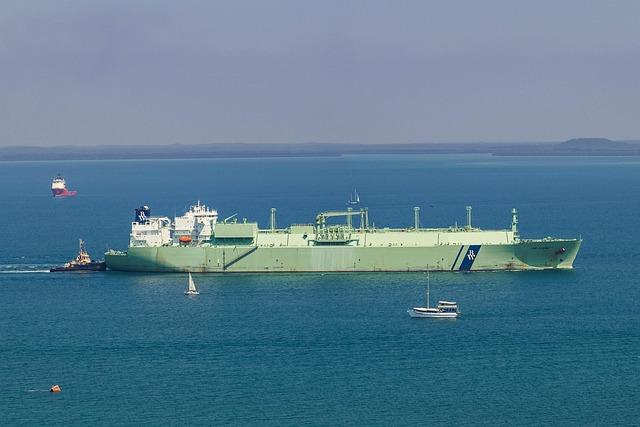
Several European nations, including Italy, Spain, and France, have deployed naval vessels to the Eastern Mediterranean to bolster security around Cyprus following a recent Iranian missile strike. This coordinated maritime presence aims to safeguard vital shipping lanes and regional stability amid escalating tensions in the area. The deployment underscores growing international concern over the security dynamics in the Eastern Mediterranean and reflects a collective effort to deter further acts of aggression.
Italy Spain France Deploy Naval Forces to Safeguard Cyprus Amid Rising Regional Tensions
In a swift and coordinated response to escalating tensions in the Eastern Mediterranean, naval forces from Italy, Spain, France, and other allied nations have been deployed near Cyprus to bolster regional security following an Iranian missile strike. The deployment underscores the growing international concern over stability in this strategic corridor, where several geopolitical interests overlap. These naval contingents are tasked with enhancing maritime surveillance, protecting vital shipping lanes, and deterring any further hostile actions that could destabilize the area.
The participating countries have emphasized their commitment to collective security through:
- Joint patrols to monitor and respond swiftly to possible threats;
- Enhanced intelligence sharing between Mediterranean partners;
- Operational coordination aimed at safeguarding the sovereignty of Cyprus and ensuring the free movement of vessels.
This coordinated naval presence reflects a significant escalation in the region’s security posture, signaling a clear message against aggression and reaffirming support for Cyprus as a key ally.
Strategic Implications of Multinational Naval Presence in Eastern Mediterranean Explored
The recent deployment of naval vessels from Italy, Spain, France, and other nations to the Eastern Mediterranean marks a significant escalation in regional security dynamics. This multinational naval presence serves as a direct response to the Iranian strike targeting Cyprus, highlighting the delicate balance of power in a strategically critical maritime corridor. These deployments are not merely protective measures but signal a concerted effort by Western countries to assert influence and ensure freedom of navigation in waters increasingly fraught with geopolitical tensions.
Key strategic implications include:
- Enhanced intelligence sharing and joint operational readiness among allied Mediterranean fleets.
- Deterrence against further regional aggression, particularly from actors seeking to challenge Western naval dominance.
- Reinforcement of Cyprus’ security posture, serving as a potential launchpad for broader coalition responses.
- Underlying message to Tehran and its allies that escalation will be met with unified multinational vigilance.
This naval buildup also raises complex questions about the future of Eastern Mediterranean security architecture, potentially prompting shifts in alliance patterns and defense postures. As states navigate these developments, the region remains a focal point where maritime strategy and diplomacy intersect amid ongoing regional rivalries.
Recommendations for Strengthening Maritime Security and Diplomatic Coordination Among Allied Nations
To effectively counter emerging threats in the Mediterranean, allied nations must prioritize enhanced maritime collaboration through a multi-layered approach. This includes establishing joint naval task forces with shared command protocols to ensure swift, coordinated responses to hostile actions. Regular intelligence-sharing frameworks should be fortified, enabling real-time data exchange on suspicious activities and potential risks. Equally important is the standardization of communication systems across fleets, minimizing operational delays and preventing misinterpretations during high-stress incidents.
Beyond military measures, diplomatic efforts must evolve to create a unified front that deters aggression while fostering long-term regional stability. Key recommendations include:
- Institutionalizing multilateral maritime security summits for sustained dialogue and policy alignment among Mediterranean nations.
- Developing joint training programs to build interoperability and trust among naval personnel from different countries.
- Implementing shared crisis management protocols that encompass diplomatic channels for de-escalation alongside defensive maneuvers.
Such integrated strategies not only enhance the immediate protection of vulnerable maritime zones like Cyprus but also strengthen the collective resilience of allied nations against future provocations.
In Conclusion
As tensions in the Eastern Mediterranean continue to escalate following the recent Iranian strike, the deployment of naval vessels from Italy, Spain, France, and other nations underscores the growing international resolve to safeguard Cyprus and maintain regional stability. With multiple countries now actively involved in security measures, the situation remains fluid, and all eyes will be on how diplomatic and military responses evolve in the coming weeks. The Times of Israel will continue to monitor developments and provide updates on this critical security issue.