
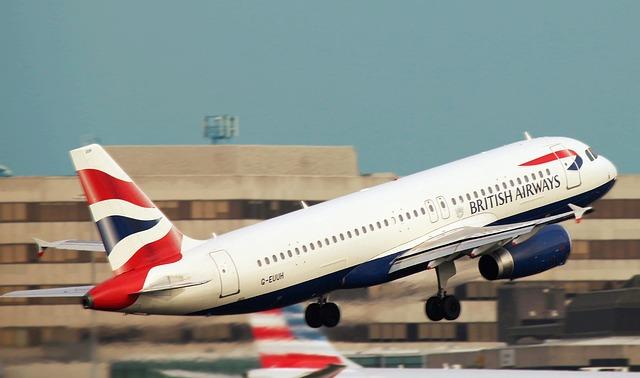
UK airports have experienced significant disruption, with 43 flight cancellations and 113 delays reported amid widespread travel chaos across Europe. The disturbances, affecting business travelers in particular, come as a result of ongoing operational challenges impacting multiple carriers and airports throughout the continent. This latest spate of delays and cancellations underscores the growing difficulties faced by passengers navigating the busy travel season.
UK Airports Face Widespread Travel Interruptions Amid Europe-wide Disruptions
Airports across the UK have reported significant operational challenges today, with a total of 43 cancellations and 113 flight delays disrupting schedules amid wider disturbances across the European airspace. Travelers experienced extended waiting times, and many flights faced unpredictable adjustments, causing a ripple effect on business travel plans. Authorities attribute these interruptions primarily to a combination of staffing shortages and increased air traffic control restrictions implemented throughout major European hubs.
Passengers are advised to verify the status of their flights closely and anticipate longer processing times at check-in and security points. Airlines have responded by urging customers to remain patient and stay updated via official channels. Key factors contributing to the disruptions include:
- Enhanced security measures delaying boarding processes
- Ongoing industrial actions impacting ground staff availability
- Adverse weather conditions in parts of continental Europe
Business travelers, in particular, are feeling the strain as time-sensitive appointments face postponements, demanding increased flexibility and contingency planning during this turbulent period.
Impact on Business Travelers and Economic Consequences Explored
The recent wave of flight disruptions across UK airports has sent ripples through the business travel community, causing significant inconvenience and financial strain. With 43 cancellations and over a hundred delays reported, executives and corporate travelers face mounting challenges in adhering to tight schedules, attending crucial meetings, and closing deals. The unpredictability of travel times forces companies to rethink contingency plans, often incurring extra expenses for last-minute accommodations, alternative transport, and missed business opportunities.
Economically, the ripple effect extends beyond the individual traveler. Airlines and airport authorities grapple with operational backlogs and resource reallocations, while local economies dependent on business tourism report downturns in spending. Critical sectors such as conferences, consulting, and international trade suffer as travel reliability deteriorates, which could potentially dampen the post-pandemic economic recovery. Key factors contributing to this disruption include:
- Air traffic control staffing shortages
- Ongoing logistical challenges within the aviation sector
- Widespread cancellations impacting connecting flights across Europe
Strategies for Navigating Flight Cancellations and Delays During Peak Disruption Periods
When faced with unexpected flight cancellations or delays, especially during widespread travel disruptions, travelers must adopt a proactive approach to minimize inconvenience. First and foremost, stay informed by regularly checking airline updates via official apps or websites. Many airlines now offer real-time notifications, allowing passengers to act swiftly when changes occur. Additionally, having alternative flight options at hand, such as flights departing from nearby airports or on different airlines, can significantly reduce downtime. Travelers are also encouraged to review their travel insurance policies beforehand, ensuring coverage includes delays and cancellations.
Handling altered travel plans requires more than just quick reactions; it demands a clear strategy to reduce stress and financial impact. Consider reaching out directly to airline customer service or social media channels, as these platforms often yield faster responses. Utilizing airport assistance desks can also be beneficial, especially for rebooking or claiming compensation. Pack essentials in carry-on luggage to avoid further complications if checked baggage is delayed. Lastly, maintain patience and flexibility-understanding the broader scope of disruptions can help travelers make informed decisions without escalating frustrations.
The Conclusion
As the disruptions continue to ripple across Europe’s airspace, UK airports are grappling with significant operational challenges, exemplified by the 43 cancellations and 113 delays reported. These disturbances not only disrupt travel plans but also pose considerable challenges for business travelers relying on timely connections. Industry stakeholders and passengers alike await coordinated efforts to restore smoother operations and mitigate the impact of ongoing disruptions in the coming days.