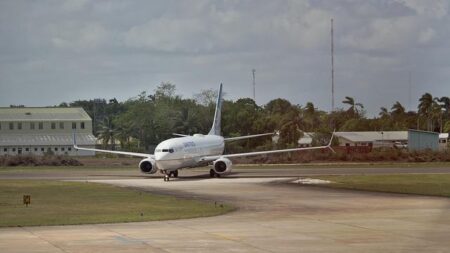

Air Canada has announced a significant expansion of its ultra-long-haul services, doubling the number of flights on its grueling 17-hour non-stop route. This move not only underscores the growing demand for direct connectivity between key international hubs but also highlights advancements in aircraft technology and operational logistics that make such extensive flights feasible. As one of the longest commercial routes in the world, Air Canada’s decision marks a notable development in global air travel, promising greater convenience for passengers seeking efficient transcontinental journeys.
Air Canada Expands Capacity on Its Longest Scheduled Flight
Air Canada is ramping up its presence on one of the world’s longest scheduled flights, responding to growing demand with a significant boost in capacity. The carrier has announced a doubling of weekly frequencies on its flagship ultra-long-haul route, connecting Toronto and Hong Kong with a non-stop journey that stretches an impressive 17 hours. This expansion not only underscores the airline’s commitment to transpacific travel but also represents a strategic move to capture a larger share of business and leisure travelers seeking direct service on this critical corridor.
Key features of this expansion include:
- Increase from three to six weekly flights, providing greater flexibility for passengers.
- Deployment of Boeing 777-300ER aircraft offering enhanced comfort and updated in-flight amenities.
- Strengthened connectivity with Air Canada’s extensive North American network, facilitating seamless transfers.
- Improved cargo capacity, catering to growing demand for freight services on the transpacific route.
Challenges and Innovations in Ultra-Long-Haul Operations
Operating ultra-long-haul flights like Air Canada’s 17-hour nonstop service demands overcoming a myriad of logistical and technical challenges. Aircraft must be equipped with enhanced fuel capacity and optimized aerodynamics to sustain extended periods aloft without compromising safety or efficiency. Moreover, crew management becomes a critical factor, as regulations require precise rest periods and rotations to mitigate fatigue. Airlines also face the complexity of contingency planning, ensuring alternate airports are available in the event of unexpected diversions, which calls for meticulous coordination across global air traffic networks.
Innovations play a pivotal role in addressing these challenges. Advanced materials and engine technologies have contributed to lighter airframes and significantly improved fuel economy. Cabin design has evolved to enhance passenger comfort over long durations, including improved seating ergonomics and in-flight entertainment systems. Additionally, real-time data analytics allow for dynamic route adjustments, optimizing flight paths according to weather and airspace congestion. Key elements driving these innovations include:
- Enhanced fuel efficiency engines that reduce environmental impact and increase range.
- Improved crew scheduling software to ensure compliance and safety.
- Next-generation avionics providing better navigation and communication capabilities.
- Passenger wellness initiatives such as lighting that mimics natural circadian rhythms.
These advancements are not only enabling airlines like Air Canada to double their ultra-long-haul offerings but also setting new standards for global connectivity.
Passenger Tips for Comfort and Wellness on Extended Flights
Embarking on a 17-hour nonstop flight can test even the most seasoned travelers, but small steps can significantly elevate comfort levels. Passengers are encouraged to dress in breathable, loose-fitting clothing and to bring layers, as cabin temperatures can fluctuate. Staying hydrated is critical; experts advise drinking plenty of water while limiting caffeine and alcohol intake to combat dehydration and reduce fatigue. Additionally, incorporating light stretching exercises and periodic walking throughout the cabin can improve circulation and help prevent deep vein thrombosis, a common concern on ultra-long-haul journeys.
Mindful packing can also enhance overall wellbeing. Consider including noise-cancelling headphones or earplugs to minimize ambient sounds, as well as an eye mask to create a restful sleep environment despite the cabin’s artificial lighting. Bringing along a travel pillow tailored to neck support aids in reducing muscle strain during extended rest periods. Finally, keeping a small kit of personal wellness items-such as moisturizing lotion, lip balm, and hand sanitizer-can maintain skin freshness and hygiene, ensuring you arrive refreshed and ready to face your destination.
To Wrap It Up
As Air Canada doubles its flights on the record-breaking 17-hour route, the ultra-long-haul market continues to evolve, pushing the boundaries of commercial aviation. This move not only underscores the airline’s commitment to connecting distant destinations but also reflects growing passenger demand for efficient, nonstop travel. Industry watchers will be keen to see how this expanded service shapes the future landscape of transcontinental air travel.