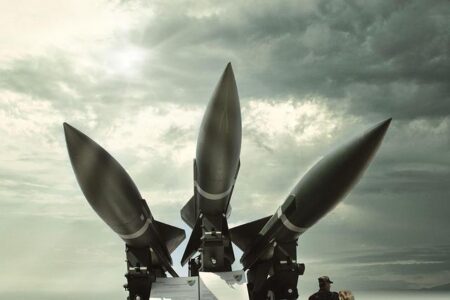

Emerging in the evolving landscape of European security, new defence alliances are taking shape across the continent-remarkably, without Spain’s involvement. As concerns over regional stability and geopolitical challenges intensify, several European nations are forging closer military collaborations to bolster collective defence. This development, reported by The European Conservative, highlights a significant shift in the continent’s strategic dynamics, raising questions about Spain’s role and its future within European defence frameworks.
Emerging Defence Coalitions Reshape European Security Landscape
Recent shifts in the European defence arena highlight a burgeoning network of alliances that strategically exclude Spain, signaling a reshaping of the continent’s security framework. These new partnerships are primarily driven by shared geopolitical interests and a commitment to enhanced military interoperability among member states. Key actors in this evolving landscape include France, Germany, and the Baltic nations, who are accelerating joint exercises and intelligence sharing to bolster regional stability in the face of rising external threats.
Among the notable features of these coalitions is the emphasis on rapid response capabilities and cybersecurity enhancements, reflecting the multifaceted nature of modern conflicts. Core objectives span from countering hybrid warfare tactics to ensuring energy security, with initiatives such as:
- Integrated defence procurement programs
- Joint command centers for operational coordination
- Multinational rapid deployment forces
- Enhanced maritime surveillance in critical sea routes
Spain’s absence from these emerging alliances raises questions about its strategic positioning and future role within European defence policy. While Madrid continues to engage in NATO and EU frameworks, the rise of these exclusive defence clusters may redefine influence and operational dynamics on the continent.
Implications of Spain’s Absence on Alliance Effectiveness and Regional Stability
Spain’s exclusion from emerging European defence frameworks has raised questions about the cohesion and overall capability of these new alliances. Without the strategic geographic positioning and military assets that Spain contributes, member states face a recalibration of defense priorities. This absence could lead to operational gaps in the southwestern flank of Europe, potentially limiting rapid response options in a region marked by increasing geopolitical tension. Moreover, Spain’s robust naval forces and experience in combating regional threats have historically reinforced maritime security in the Mediterranean, a critical theater often overlooked by land-focused alliances.
The implications extend beyond military logistics to the broader realm of regional stability. Spain’s non-participation risks creating divergent security policies within the EU, potentially widening the fracture between northern and southern member states. This fragmentation might undermine collective deterrence efforts, emboldening external actors seeking to exploit perceived alliance weaknesses. Additionally, the absence of a key southern European voice could hamper diplomatic cohesion, diminishing the EU’s ability to coordinate comprehensive responses to crises in North Africa and the Western Mediterranean. As these new defence pacts solidify, the void left by Spain remains a critical concern that could shape Europe’s security landscape in the years ahead.
- Operational Challenges: Reduced maritime patrol and rapid deployment capabilities in Southern Europe.
- Policy Divergence: Potential mismatch in threat perception and defense priorities among EU members.
- Diplomatic Impact: Weakened unified stance toward Mediterranean and African regional security issues.
Strategic Recommendations to Bridge Divides and Enhance Multinational Cooperation
To address the emerging fractures within European defence frameworks, it is essential to prioritize transparency and sustained diplomatic engagement among all member states. This includes Spain, whose exclusion risks undermining the cohesion necessary for collective security. Encouraging open dialogue platforms where concerns can be aired without political posturing will foster mutual understanding and trust. Moreover, leveraging existing EU and NATO mechanisms as neutral grounds for negotiation can help integrate reluctant parties by emphasizing shared strategic interests over political divergence.
Building resilience against fragmentation also demands the promotion of inclusive defence initiatives that accommodate varying national capabilities and strategic priorities. Multinational cooperation should be underpinned by flexible arrangements such as joint training exercises, intelligence sharing, and procurement collaborations that allow for scalable commitments. To this end, policymakers must champion pragmatic solutions-prioritizing operational effectiveness and interoperability while respecting national sovereignty-to prevent the creation of exclusive blocs that could destabilize European security architecture in the long term.
- Enhance communication channels: Regular multilateral forums with equal representation.
- Promote joint capability projects: Linking defense industries across borders.
- Encourage flexible participation: Allowing nations to contribute based on capacity and strategic alignment.
- Strengthen trust-building measures: Transparency in decision-making and mutual confidence-building initiatives.
To Wrap It Up
As new defence alliances within Europe take shape, Spain’s absence marks a notable divergence in the continent’s evolving security architecture. While these emerging partnerships underscore a shifting strategic landscape, Spain’s decision to remain outside these frameworks raises questions about future cooperation and cohesion among European states. How this dynamic will influence the broader European defence agenda remains to be seen, as Brussels and member countries navigate a complex balance between unity and national priorities.