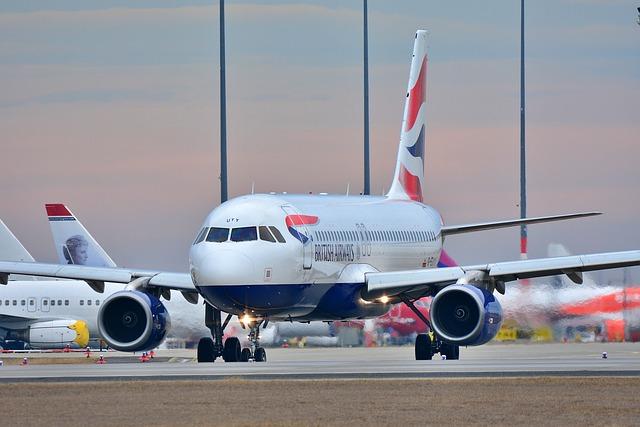
Airlines have collectively scheduled an impressive 9.9 million seats to Spain for March, reflecting a strong resurgence in travel demand as global restrictions ease. This significant uptick underscores Spain’s position as a premier destination during the post-pandemic recovery, according to recent data highlighted by VisaHQ. The surge in available flights signals renewed confidence among travelers and carriers alike, pointing to a robust rebound in international tourism for the spring season.
Airlines Ramp Up Capacity to Spain Reflecting Surge in Travel Demand
Airlines have responded to a notable upswing in traveler interest by significantly increasing their seat offerings to Spain, with a staggering 9.9 million seats scheduled for March alone. This surge reflects not only pent-up demand as global travel rebounds but also Spain’s enduring appeal as a top destination for leisure, business, and cultural tourism. Airlines are adding new routes and upscaling existing services to accommodate the influx, signaling confidence in sustained international travel recovery.
Key factors driving this capacity boost include:
- Expanded flight frequencies across major hubs, enhancing connectivity with Spain’s principal airports.
- Deployment of larger aircraft models on popular routes to maximize passenger volume.
- Strategic scheduling adjustments aligning with peak travel windows to optimize load factors.
Industry analysts suggest that this planned capacity increase not only underlines Spain’s rapid post-pandemic tourism rebound but also highlights a broader shift in aviation trends as airlines aggressively chase market share in lucrative European corridors.
Key Destinations Driving the Uptick in Seat Allocations Across Major Airports
Spain’s vibrant cities and sun-soaked coastal regions are at the forefront of the surge in seat allocations this March, driven by an undeniable revival of international travel demand. Notably, airports in Madrid, Barcelona, and Málaga have seen a significant boost in scheduled flights, reflecting their status as prime access points for both leisure and business travelers. The capital city, Madrid-Barajas Adolfo Suárez Airport, leads with a robust increase in seat capacity, catering to a diverse mix of tourists and professionals drawn by Spain’s reopening initiatives and cultural attractions. Similarly, Barcelona-El Prat has expanded its offerings to accommodate growing interest from European and transatlantic markets.
Leisure hotspots along the Mediterranean coast are also pivotal in this upward trend, with Palma de Mallorca and Alicante-Elche airports adding considerable seat inventory. These destinations attract a surge of holidaymakers eager to experience Spain’s acclaimed beaches and culinary scene after prolonged restrictions. Airlines are responding with enhanced frequencies and larger aircraft to meet the seasonal spike in passenger numbers, signaling confidence in sustained travel recovery. Furthermore, secondary airports such as Seville and Valencia are becoming increasingly important, complementing the major hubs and enabling greater connectivity across the country.
- Madrid-Barajas Adolfo Suárez: Key hub for international and domestic routes
- Barcelona-El Prat: Boosted flight frequencies to IP and American markets
- Málaga-Costa del Sol: Gateway to southern coastal resorts
- Palma de Mallorca: Popular Mediterranean holiday destination
- Alicante-Elche: Increased capacity catering to leisure travelers
- Seville and Valencia: Emerging regional connection points
Travelers Advised to Book Early and Prepare for Increased Airport Traffic
As Spain prepares to welcome a surge in visitors this March, travelers are strongly encouraged to secure their bookings well in advance to avoid the pitfalls of last-minute travel plans. Airlines have ramped up their capacity significantly, offering 9.9 million seats, a clear indicator of strong demand. However, this increased volume brings with it the inevitable consequence of busier airports and extended wait times. Early reservations will not only guarantee better prices but also provide greater flexibility amid these bustling conditions.
Passengers should also anticipate longer security checks and crowded terminals, especially at major hubs. To navigate these challenges smoothly, travelers are advised to:
- Arrive at the airport at least three hours before international departures.
- Utilize online check-in and mobile boarding passes to expedite the process.
- Stay informed of real-time flight updates via airline apps or airport notifications.
By planning ahead and staying prepared, visitors can enjoy a seamless travel experience while making the most of Spain’s reopening as a preferred post-pandemic destination.
To Wrap It Up
As airlines ramp up capacity with 9.9 million seats scheduled to Spain in March, the surge underscores a strong rebound in international travel demand post-pandemic. Industry experts view this robust scheduling as a positive indicator of renewed consumer confidence and a revitalized tourism sector. With travelers eager to explore Spain’s diverse attractions once again, the coming months are set to mark a significant step toward recovery for both airlines and the broader travel economy.