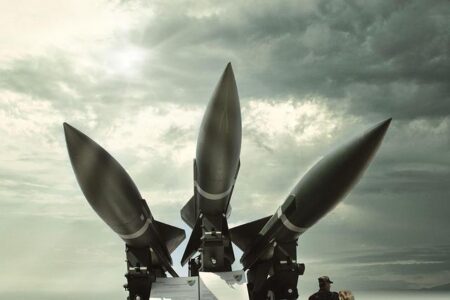

As the United States grapples with escalating conflicts abroad, the Trump administration’s handling of the crisis continues to draw sharp criticism. Amid ongoing tensions with Iran and growing Russian influence in the region, Team Trump is increasingly accused of missteps-both in rhetoric and policy-that undermine U.S. interests. Reports reveal how Russia’s strategic support for Iran complicates the situation further, raising questions about the effectiveness and coherence of the U.S. response during this critical period of conflict.
Team Trump Faces Backlash Over Missteps Amid Escalating U.S. Conflict with Iran
Amid escalating tensions between the U.S. and Iran, Team Trump’s recent actions and statements have sparked widespread criticism both at home and abroad. Their public miscalculations have only deepened concerns about the administration’s handling of foreign policy during a period fraught with danger. Observers highlight a pattern of contradictory messaging, including inflammatory rhetoric paired with inconsistent strategic decisions, which many argue are undermining U.S. credibility on the global stage. Critics contend that these blunders not only alienate key allies but also embolden adversaries like Iran, further complicating efforts to de-escalate the conflict.
Adding fuel to the fire, intelligence reports indicate increased cooperation between Russia and Iran, as Moscow provides Tehran with logistical support amid the conflict. This alliance complicates the geopolitical landscape and exposes vulnerabilities in America’s approach. Key points of contention include:
- Uncoordinated diplomatic efforts leaving allies in the dark
- Publicly contradicting official statements, causing confusion domestically and internationally
- Failure to anticipate Russia’s strategic moves in bolstering Iranian capabilities
As the situation unfolds, experts warn that continued missteps could escalate hostilities further, calling for a reevaluation of the current trajectory before irreversible damage occurs.
Russia’s Strategic Support for Iran Challenges American Military Objectives
As tensions escalate in the Middle East, Moscow’s bolstered military and logistical backing of Tehran is increasingly complicating U.S. strategic aims in the region. Russia has not only supplied advanced weaponry and intelligence sharing to Iran but has also facilitated enhanced coordination among Tehran’s affiliated militias. This multipronged support undermines American efforts to isolate Iran economically and militarily, effectively creating a robust counterbalance to Washington’s influence. The ripple effects extend beyond the battlefield, emboldening Iran to pursue aggressive policies with impunity, while forcing U.S. commanders into a reactive posture.
Meanwhile, Washington’s response-marked by inconsistent messaging and policy missteps-has done little to deter this growing alliance. Key failures include:
- Mixed signals: Public statements often undercut diplomatic leverage by contradicting on-ground military strategies.
- Delayed sanctions: Hesitation in tightening economic restrictions has allowed Russia and Iran to deepen ties unabated.
- Fragmented international coalitions: The U.S. struggles to rally unified support among allies necessary to counteract Russia’s influence effectively.
As the Kremlin and Tehran consolidate their partnership, American military objectives remain threatened, exposing vulnerabilities that adversaries are quick to exploit.
Experts Call for Clearer U.S. Communication and Coordinated Policy to Counter Emerging Alliances
Experts emphasize that the current U.S. approach to countering the expanding geopolitical partnerships, particularly between Russia and Iran, is muddled by inconsistent messaging and fragmented policy efforts. Analysts warn that without a unified strategy, Washington risks undermining its own interests and emboldening adversarial alliances that challenge global stability. Clear communication is deemed essential to rally both domestic stakeholders and international allies, ensuring a coordinated front against emerging threats in the Middle East and beyond.
Key recommendations from policy specialists include:
- Establishing a comprehensive communication framework that articulates U.S. objectives clearly and consistently.
- Enhancing diplomatic coordination among allied countries to isolate hostile partnerships.
- Implementing cohesive sanctions and countermeasures targeting not only state actors but also their supportive networks.
- Prioritizing intelligence-sharing to preempt the operational tactics of these evolving alliances.
Without a strategic overhaul, experts caution that the U.S. risks appearing disjointed, allowing adversaries like Russia and Iran to exploit the resulting power vacuum.
Key Takeaways
As the conflict in the Middle East intensifies, the actions and statements from Team Trump continue to draw sharp criticism both domestically and internationally. Meanwhile, Russia’s support for Iran adds a complex new dimension to the ongoing war involving the United States, further complicating prospects for a peaceful resolution. The unfolding situation underscores the challenges facing U.S. leadership amid a rapidly shifting geopolitical landscape, where missteps carry significant consequences. Observers will be watching closely to see how American policymakers navigate these turbulent waters in the days ahead.