As the global climate crisis accelerates, Canada faces mounting pressure to adapt to a rapidly changing environment. Despite being one of the world’s wealthiest nations, the country grapples with complex challenges in crafting and implementing effective climate adaptation policies. From vast geographic diversity and regional disparities to overlapping jurisdictional responsibilities, the hurdles are significant-and often political. This article explores why climate adaptation remains so difficult for Canada, examining the policy obstacles that slow progress and the critical choices ahead for government leaders at all levels.
Challenges of Diverse Ecosystems and Regional Disparities in Climate Adaptation
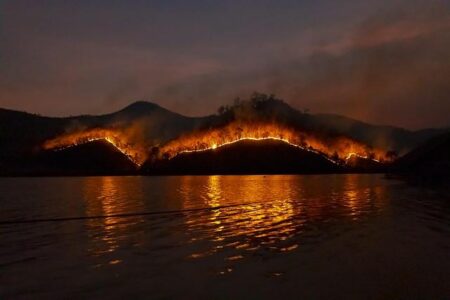
Canada’s vast and varied landscapes present a formidable challenge to unified climate adaptation strategies. From the Arctic tundra in the north to the temperate rainforests of the west coast, each ecosystem demands tailored approaches to address unique vulnerabilities. Coastal communities face rising sea levels and increased storm surges, while interior regions wrestle with prolonged droughts and severe wildfire seasons. The complexity is further intensified by differing regional economic activities-such as forestry, agriculture, and fisheries-each affected differently by shifting climate patterns. Implementing effective policies requires intricate coordination among multiple jurisdictions, scientific disciplines, and local knowledge systems, which can slow the pace of decisive action.
Adding to this complexity is the stark disparity in resources and capacities between provinces and territories. While wealthier urban centers may invest robustly in resilient infrastructure and innovation, many Indigenous and rural communities struggle with limited funding and inadequate access to climate data and adaptation tools. Key challenges include:
- Fragmented governance structures that complicate cohesive policy implementation across regions
- Unequal access to climate science and technology, hindering locally relevant solutions
- Economic dependencies on climate-sensitive industries that hamper diversification
These factors contribute to a patchwork of adaptation efforts, where progress in one area may not translate to others. Bridging these gaps is essential to create a resilient Canada ready to face the evolving realities of its climate.
Balancing Economic Growth with Environmental Sustainability in Policy Making
Developing policies that foster economic growth while protecting the environment presents a complex challenge for Canadian lawmakers. The country’s diverse economy relies heavily on resource extraction, manufacturing, and trade, sectors that are often at odds with sustainability goals. Finding a middle ground requires innovative regulatory frameworks that promote green technologies without stifling business competitiveness. Integrating environmental costs into economic decision-making-such as carbon pricing and incentives for clean energy investments-has been met with both political resistance and sectoral pushback, highlighting the difficulty of aligning short-term economic interests with long-term ecological health.
Furthermore, Canada’s vast geography and varied ecosystems complicate the creation of uniform policies. Different provinces face unique environmental threats and economic realities, necessitating tailored approaches that accommodate regional priorities. This fragmentation can slow national progress on climate adaptation initiatives, as policymakers must navigate a labyrinth of competing agendas. Key factors contributing to the tension include:
- Diverse stakeholder demands from indigenous groups, industry leaders, and environmental advocates.
- Infrastructure limitations that impede rapid deployment of sustainable solutions.
- Budgetary constraints that limit investment in climate-resilient development.
This balancing act remains a central obstacle in crafting policies that are both economically viable and environmentally responsible.
Empowering Indigenous Communities through Collaborative Climate Strategies
Indigenous communities in Canada are often on the frontlines of climate change, experiencing its impacts more intensely due to their close relationship with the land. Recognizing Indigenous knowledge as a vital component of climate adaptation has led to a shift towards collaborative strategies that respect traditional wisdom alongside scientific research. These partnerships foster more resilient responses tailored to unique regional ecosystems, reinforcing the importance of community-led initiatives in addressing environmental challenges.
Key elements driving successful collaboration include:
- Recognition of Indigenous sovereignty and self-determination in policymaking processes
- Integration of Indigenous ecological knowledge with modern climate science
- Co-development of adaptation projects that balance environmental, social, and cultural priorities
- Capacity building through funding, training, and resource-sharing to empower local leaders
Despite these advances, systemic barriers such as limited infrastructure, jurisdictional disputes, and underfunding pose ongoing challenges. Addressing these issues head-on is crucial to ensure that Indigenous voices remain central to Canada’s evolving climate policies and solutions.
Final Thoughts
As Canada faces an increasingly unpredictable climate future, the challenges of adaptation remain complex and multifaceted. From vast geographic diversity to jurisdictional fragmentation and funding constraints, the obstacles in crafting effective policy are significant. Yet, addressing these hurdles is essential-not only to protect communities and ecosystems but to safeguard the country’s economic and social well-being. Moving forward, coordinated action, innovative solutions, and sustained political will will be critical if Canada hopes to turn the tide on climate vulnerability and build resilience in the decades ahead.