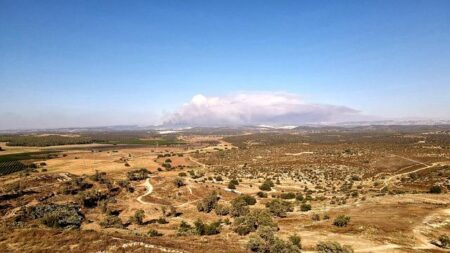

Six French soldiers were wounded in a drone attack in Iraqi Kurdistan, prompting heightened security concerns as international forces navigate a volatile region. The incident, confirmed by military officials, underscores the growing threat posed by unmanned aerial vehicles in conflict zones. France 24 is providing live coverage of the developing situation, tracking updates on the soldiers’ conditions and the broader implications for France’s military presence in Iraq.
French Soldiers Injured in Drone Attack in Iraqi Kurdistan Amid Rising Regional Tensions
In a significant escalation of hostilities in the region, six French soldiers sustained injuries following a targeted drone strike in Iraqi Kurdistan. The attack occurred near a joint coalition base where French forces are deployed as part of ongoing efforts to combat extremist groups. Officials have confirmed that the wounded personnel were swiftly evacuated for medical treatment, with none currently in life-threatening condition. The precise origin of the drones remains under investigation, although initial reports suggest use of unmanned aerial vehicles possibly linked to local militant factions or proxy actors.
This incident underscores the growing volatility in northern Iraq amid a backdrop of heightened geopolitical rivalries. French military authorities have reiterated their commitment to the stability of the region, emphasizing collaboration with Kurdish and international partners. Key points emerging from the incident include:
- Increased use of drone technology by non-state actors in conflict zones
- Heightened security protocols across coalition forces stationed in Iraqi Kurdistan
- Calls for intensified intelligence sharing to prevent future attacks
- Potential repercussions on France’s strategic posture in the Middle East
Analysis of the Drone Strike: Implications for French Military Operations in the Middle East
The recent drone strike targeting French soldiers in Iraqi Kurdistan marks a critical juncture in the evolving security dynamics of the region. This incident not only underscores the increasing sophistication and accessibility of unmanned aerial systems (UAS) to militant groups but also raises concerns about the adequacy of current French military protocols. The use of drones in such contested zones challenges traditional force protection measures, necessitating a strategic reassessment of operational tactics and intelligence efforts to counter emerging aerial threats effectively.
For France, a nation actively engaged in Middle Eastern counterterrorism campaigns, the attack signifies a potential shift in adversary capabilities and the complexity of the battlefield environment. Immediate implications include:
- Enhanced surveillance and counter-drone technology integration within deployed units.
- Heightened collaboration with Iraqi and Kurdish security forces to improve threat detection and response times.
- Revisiting force posture and rules of engagement to mitigate vulnerabilities posed by small drone swarms or lone attackers.
This event thereby acts as a catalyst for French defense strategists to adapt to asymmetric threats, ensuring the protection of personnel and the continuation of France’s influential role in Middle Eastern military operations.
Enhancing Soldier Safety Protocols and Counter-Drone Measures in Conflict Zones
In recent years, the increasing use of drones in conflict zones has prompted military forces to re-evaluate and strengthen their safety protocols. The incident involving the six wounded French soldiers in Iraqi Kurdistan underscores the urgent need to develop advanced counter-drone technologies and comprehensive training programs. These enhancements are critical not only to protect personnel from aerial threats but also to maintain operational effectiveness in volatile environments. Military experts emphasize that integrating state-of-the-art detection systems, electronic jamming tools, and rapid-response strategies can significantly reduce the risks posed by unauthorized drone activity.
Efforts to improve soldier safety now focus on several key areas, including:
- Enhanced situational awareness: Real-time drone detection combined with predictive threat analysis.
- Electronic warfare measures: Deployment of countermeasures that disrupt or neutralize hostile drones.
- Training and protocols: Educating soldiers on drone threat recognition and emergency response tactics.
- Collaboration with local and international partners: Sharing intelligence and resources to combat drone threats more effectively.
As drones become more accessible to non-state actors, adaptive and forward-looking strategies will remain indispensable in ensuring the safety of military personnel across conflict zones worldwide.
In Conclusion
The situation in Iraqi Kurdistan remains tense as investigations continue into the drone attack that left six French soldiers wounded. France 24 will keep monitoring the developments closely and provide live updates as more information emerges. Stay tuned for the latest on this unfolding story.