
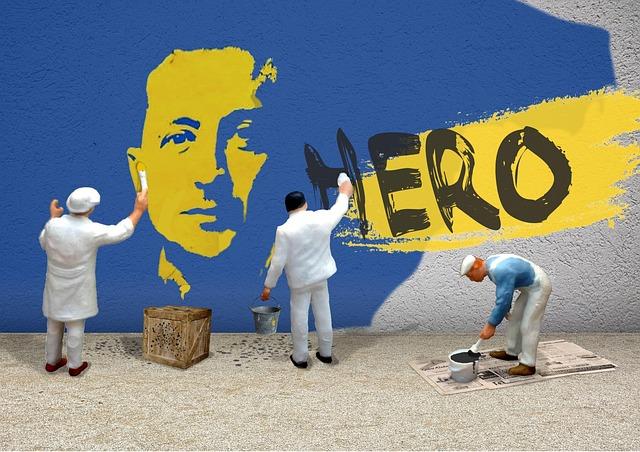
Ukrainian President Volodymyr Zelenskyy has sharply criticized recent moves by the United States to ease sanctions on Russia, describing the decisions as “not very logical.” In a stark rebuke amid ongoing conflict, Zelenskyy warned that loosening economic pressure on Moscow could undermine international efforts to hold Russia accountable for its aggression. The remarks come as Washington weighs adjustments to its sanctions policy, prompting debate over the best strategy to influence Russia’s actions.
Zelenskyy Criticizes US Decision to Ease Sanctions on Russia Amid Ongoing Conflict
Ukrainian President Volodymyr Zelenskyy has voiced strong disapproval over the recent decision by the United States to relax certain sanctions imposed on Russia. Speaking amid the protracted conflict, Zelenskyy referred to the move as “not very logical,” emphasizing that easing economic pressures could undermine efforts to hold Moscow accountable. The sanctions, which target critical sectors including banking, energy, and defense, have been a cornerstone of the Western strategy to limit Russia’s capacity to sustain military operations.
Highlighting the broader implications, Zelenskyy warned that this step might embolden Russia and prolong the conflict. Key points raised include:
- The risk of weakening the unified international stance against aggression
- Potential negative impacts on Ukraine’s position in ongoing peace negotiations
- Concerns over the message sent to global audiences about the resolve of Western allies
Zelenskyy called on the US and its partners to reconsider the policy shift, advocating for consistent pressure that supports Ukraine’s sovereignty and deters further escalation.
Implications of Relaxed Sanctions for Ukraine’s Security and International Diplomacy
The decision by the United States to ease certain sanctions on Russia has sparked significant controversy, particularly within Ukraine. President Volodymyr Zelenskyy openly criticized the move as “not very logical,” highlighting concerns that it could undermine Kyiv’s security and embolden Moscow’s aggressive policies. Ukrainian officials fear that relaxing economic pressures may reduce Russia’s incentives to de-escalate conflict and could hamper Western efforts to present a unified front in support of Ukrainian sovereignty.
Beyond the immediate security ramifications, this shift carries complex diplomatic consequences. Allies and partners are now faced with the challenge of balancing rapprochement with Russia against maintaining solidarity with Ukraine. Key considerations include:
- Maintaining transatlantic cohesion: Avoiding fractures within NATO and the EU regarding policy approaches to Russia.
- Long-term geopolitical messaging: Whether easing sanctions signals a softening stance on territorial integrity violations.
- Impact on future negotiations: How it affects leverage in diplomatic talks concerning the conflict in Eastern Europe.
As international actors recalibrate their strategies, the move could reshape the diplomatic landscape, testing alliances and the resilience of sanctions as a tool of foreign policy.
Experts Urge Washington to Reconsider Policy to Strengthen Pressure on Moscow and Support Kyiv
Leading foreign policy analysts and security experts are calling on Washington to rethink recent adjustments to its sanctions strategy against Russia, warning that any easing risks undermining the international coalition supporting Ukraine. These voices emphasize that sustained and robust pressure is essential to weaken Moscow’s military and economic capabilities amid the ongoing conflict. Critics argue that a strategic recalibration should focus on tightening restrictions rather than loosening them, ensuring that sanctions remain a critical tool to deter aggression and compel a meaningful diplomatic resolution.
Key points raised by experts include:
- Maintaining financial isolation: Strengthening barriers against Russian access to global banking systems to limit funding for military operations.
- Severe export controls: Ensuring critical technologies and resources are increasingly restricted to disrupt Russia’s war machinery.
- Unified international stance: Encouraging allied nations to align policies closely, preventing Moscow from exploiting loopholes.
They caution that any perceived loosening of pressure sends mixed signals and may embolden Russian leadership to prolong or escalate the conflict, further jeopardizing regional stability and global security architectures.
The Conclusion
As tensions between Kyiv and Washington persist over the easing of sanctions on Russia, President Volodymyr Zelenskyy’s sharp criticism underscores the ongoing complexities in allied relations amid the conflict. While the US cites strategic and diplomatic considerations for its approach, Ukraine remains firm in its call for sustained pressure on Moscow. How this disagreement will influence future cooperation and the broader geopolitical landscape remains to be seen.