
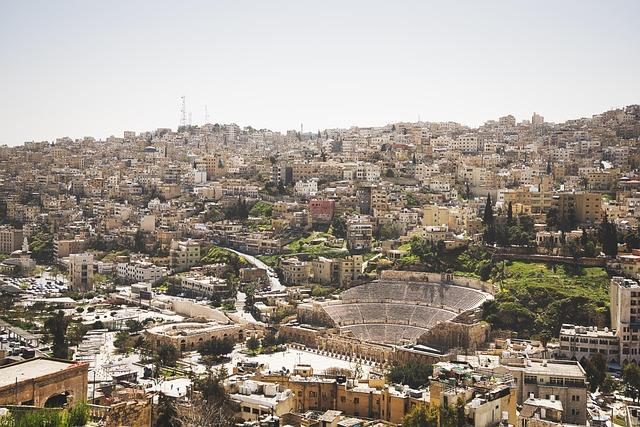
Canada’s official travel website, Travel.gc.ca, has issued updated travel advice and advisories for Jordan, providing crucial information for Canadian travelers planning to visit the country. With its rich history, stunning landscapes, and cultural landmarks, Jordan remains a popular destination. However, evolving security situations and health considerations have prompted the government to offer detailed guidance to ensure the safety and preparedness of visitors. This article examines the latest recommendations, entry requirements, and potential risks highlighted by Travel.gc.ca to help travelers make informed decisions before their trip to Jordan.
Travel Safety and Security Concerns for Visitors in Jordan
Visitors to Jordan should remain vigilant when traveling, especially in busy urban areas such as Amman and Irbid. While the country is generally considered safe for tourists, petty crimes like pickpocketing and purse snatching can occur, particularly in crowded markets and public transport. It is advisable to keep personal belongings secure and avoid displaying valuables openly. Additionally, some regions near the borders with Syria and Iraq may experience occasional security incidents, so travelers should monitor local news and follow government advisories closely.
To ensure safety during your visit, consider the following precautions:
- Avoid traveling after dark in unfamiliar or isolated areas.
- Use registered taxis or ride-share services instead of unmarked vehicles.
- Be cautious when attending large public gatherings or demonstrations, as they can escalate unexpectedly.
- Register with your embassy or consulate upon arrival to receive timely updates.
- Carry a copy of your passport and emergency contact information at all times.
Health Precautions and Medical Facilities Available to Tourists
Tourists visiting Jordan should ensure they are up to date with routine vaccinations such as measles, mumps, rubella (MMR), diphtheria, tetanus, and polio. Additionally, hepatitis A and typhoid vaccines are recommended due to the potential risk from contaminated food or water. Travelers with specific health conditions or those planning extended stays should consult with healthcare providers about additional immunizations, including hepatitis B and rabies. It is advisable to carry a medical kit with essential supplies, including medications for common ailments like diarrhea, allergies, and insect bites, as access to pharmacies is generally good but not always immediate in remote areas.
Healthcare infrastructure in Jordan is considered among the best in the region, with extensive medical services available in major cities such as Amman, Aqaba, and Irbid. Public and private hospitals are equipped to handle most medical emergencies and provide quality care. Tourists are encouraged to carry travel insurance that covers medical evacuation, as some remote or desert regions may have limited access to medical facilities. Key points to remember include:
- 24/7 emergency hotlines are available in major cities.
- Pharmacies are widespread, offering prescribed and over-the-counter drugs.
- Water safety: It’s recommended to drink bottled water to avoid waterborne illnesses.
- Covid-19 protocols: Compliance with local health guidelines is essential to ensure visitor safety.
Guidelines on Local Laws, Customs, and Responsible Travel Practices
Visitors to Jordan should be mindful of local customs and social etiquette to ensure a respectful and enjoyable experience. Dress modestly, especially when visiting religious sites such as mosques, where covering shoulders and knees is expected. Public displays of affection are frowned upon, and it is advisable to greet locals with the traditional handshake or a nod rather than hugs or kisses. Photography restrictions apply in certain public and military areas; always seek permission before capturing images of people, especially women and children. Consumption of alcohol is limited to licensed venues, and public drunkenness can result in legal consequences.
Responsible travel practices are encouraged to preserve Jordan’s rich cultural heritage and natural environment. Support local artisans by purchasing handmade crafts and avoid engaging in activities that exploit animals, such as riding camels or horses without proper welfare standards. When exploring natural sites like Wadi Rum or Petra, adhere to marked paths to minimize environmental impact. Visitors are urged to respect waste disposal regulations by disposing of trash responsibly and using designated recycling bins. These actions contribute to safeguarding Jordan’s unique landscapes and cultural identity for future generations.
In Retrospect
In summary, staying informed through official sources like Travel.gc.ca is essential for a safe and enjoyable visit to Jordan. Travelers are advised to regularly review updated travel advisories, adhere to local regulations, and remain vigilant throughout their journey. By taking these precautions, visitors can better navigate the dynamic travel landscape and fully experience the rich history and culture that Jordan has to offer.