
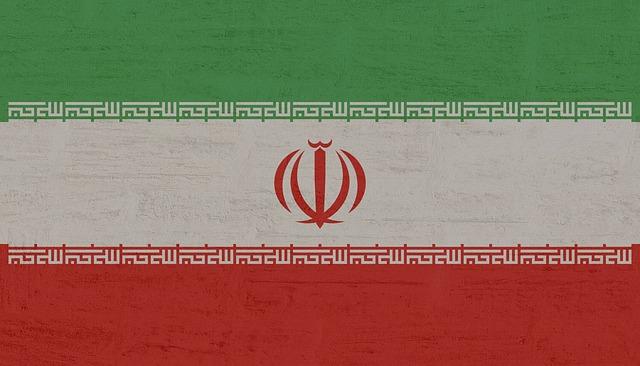
Amidst a chorus of cautious diplomacy from European capitals, Spanish Prime Minister Pedro Sánchez has taken a notably assertive stance on Iran, distinguishing himself from his continental counterparts. As tensions between Tehran and the West continue to simmer, Sánchez’s approach signals a departure from Europe’s traditionally measured responses, highlighting Spain’s evolving role on the international stage. This article examines how Sánchez’s leadership on Iran represents both a strategic recalibration and a bold assertion of responsibility within the complex landscape of European foreign policy.
Spain’s Sanchez Champions Proactive Diplomacy on Iran Amid European Hesitation
While many European leaders have adopted a cautious, even hesitant stance toward engaging with Iran amidst mounting geopolitical tensions, Spain’s Prime Minister Pedro Sanchez is boldly charting a different course. Emphasizing the power of proactive diplomacy, Sanchez advocates for reopening channels of communication and fostering dialogue. His approach contrasts sharply with the prevailing European reluctance, positioning Spain as a potential mediator capable of bridging divides through constructive engagement rather than isolation.
Under Sanchez’s leadership, Spain is prioritizing:
- Direct diplomatic initiatives with Iranian officials despite broader EU apprehensions.
- Collaborative regional efforts to address nuclear concerns and human rights issues pragmatically.
- Balancing firm principles with a readiness to negotiate, avoiding alienation while promoting stability.
By daring to rise above the collective European measured hesitancy, Spain is positioning itself as a key player willing to embrace complexity and nuance in the pursuit of tangible results on one of the continent’s most challenging foreign policy fronts.
Breaking the Mold European Leaders Falter as Spain Seeks Constructive Engagement
While many European leaders have maintained a cautious, often reactive stance on the evolving dynamics with Iran, Spain’s Prime Minister Pedro Sánchez has distinguished himself through proactive diplomacy and a calculated push for dialogue. Unlike his counterparts, who have largely defaulted to skepticism or outright disengagement, Sánchez advocates for a nuanced approach that balances firm principles with pragmatic engagement. His strategy underscores the importance of *constructive conversations*, emphasizing diplomacy as a tool not just for confrontation but for sustainable solutions in a region fraught with tension.
Key elements of Spain’s approach include:
- A commitment to open channels of communication with Tehran, seeking common ground rather than escalating conflicts.
- Building coalitions within and beyond Europe to facilitate multilateral negotiations, showcasing Spain’s role as a consensus-builder.
- Prioritizing economic and cultural ties alongside political dialogue, understanding these as bridges toward long-term stability.
By breaking away from the prevailing European posture of reticence, Sánchez positions Spain as a pivotal actor on the international stage, challenging the continent to rethink its often fragmented response to Iran’s complex challenges. This approach not only highlights Spain’s diplomatic ingenuity but also raises critical questions about the efficacy and unity of Europe’s broader foreign policy framework.
Policy Recommendations for Europe Emulating Spain’s Balanced Approach to Iran
Spain’s pragmatic diplomacy offers a blueprint for Europe’s fractured approach toward Iran, emphasizing dialogue without capitulation. Madrid’s approach balances clear condemnation of Tehran’s destabilizing activities with a steadfast commitment to keeping communication channels open. European policymakers would do well to emulate Spain by adopting a nuanced strategy that prioritizes de-escalation and leverages diplomatic engagement as a tool for long-term stability in the region.
Key elements of this balanced posture include:
- Maintaining open diplomatic channels to address nuclear concerns while avoiding premature isolation.
- Coordinating with transatlantic partners to present a unified front that discourages unilateral punitive measures.
- Supporting regional security frameworks that include Iran in constructive dialogue mechanisms.
- Resisting reactionary sanctions that undermine diplomatic trust without clear efficacy.
By steadfastly navigating between confrontation and engagement, Spain’s example underscores the potential for Europe to assert a more independent and effective foreign policy-one that elevates strategic interests over symbolic posturing.
Concluding Remarks
As the debate over Iran continues to challenge European unity, Spain’s Prime Minister Pedro Sánchez stands out for his assertive and independent approach. While many European leaders remain cautious or divided, Sánchez’s willingness to engage constructively signals a potential shift in the continent’s diplomatic dynamics. Whether his stance will reshape Europe’s collective policy on Iran remains to be seen, but his rise certainly marks a notable chapter in the ongoing story of international statecraft.