
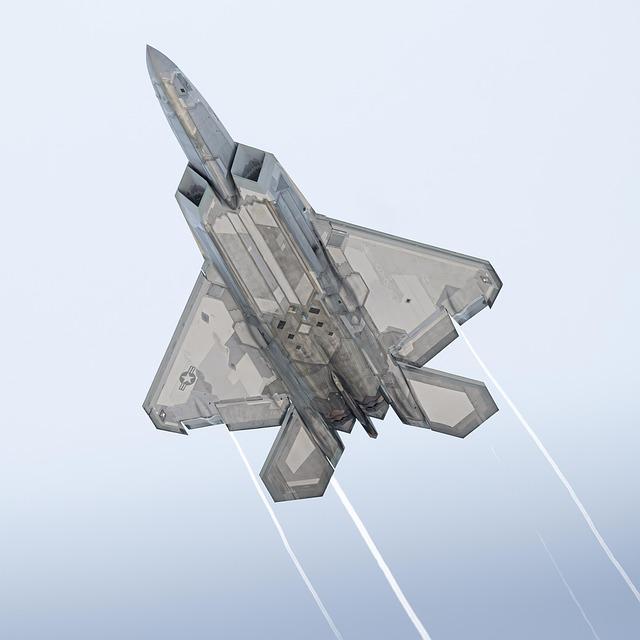
For nearly two weeks, Taiwanese skies fell unusually quiet as Chinese fighter jets abruptly ceased their routine incursions near the island’s airspace-a marked departure from the recent pattern of frequent military activity. The unexpected lull has left analysts and officials puzzled, with no clear explanation emerging for the sudden pause in Beijing’s aerial maneuvers. This unexpected silence comes amid heightened tensions in the region, raising questions about the strategic calculations behind China’s temporary withdrawal and what it might signal for cross-strait relations moving forward.
Chinese Fighter Jet Activity Over Taiwan Unexpectedly Halts Raising Questions Among Analysts
The sudden and unexplained cessation of Chinese fighter jet patrols near Taiwan has caught the attention of military experts and geopolitical analysts alike. For close to two weeks, the skies above the sensitive Taiwan Strait-usually a hotspot of aerial activity-have fallen silent, a stark contrast to the recent months of frequent incursions. This unexpected lull disrupts the established pattern of Chinese military maneuvers and has raised speculation about Beijing’s short-term strategic intentions in the region.
Key points analysts are considering include:
- Possible recalibration of China’s military posture in response to international diplomatic pressures
- Internal operational considerations, such as training schedules or equipment maintenance cycles
- Signals aimed at Taiwan and its allies, potentially as part of a broader psychological strategy
While no official explanations have been provided, the hiatus is prompting renewed debate about the future trajectory of cross-strait relations and the stability of regional security dynamics.
Possible Strategic Motives Behind the Sudden Pause in Military Maneuvers Explored
The unexpected lull in Chinese military flights near Taiwan has sparked a flurry of speculation among analysts and regional experts. Some suggest that the pause may be a calculated move, allowing Beijing to recalibrate and assess the international response to its recent aggressive posturing. Other interpretations point to potential internal distractions within China’s military leadership, possibly resulting from strategic realignments or ongoing preparations for larger exercises later in the year. Such a pause could serve multiple tactical purposes, including:
- Signaling restraint to reduce diplomatic tensions temporarily
- Gathering intelligence and evaluating Taiwan’s defense readiness in the aftermath of heightened activity
- Redirecting resources to other regions or conflict zones
- Testing international reactions and coalition cohesion, particularly from the U.S. and allies
Another perspective highlights the geopolitical chess game underlying this sudden cessation. By halting incursions without announcement, China might be attempting to project an image of unpredictability-keeping Taiwan and global powers on edge while avoiding overt confrontation. Analysts also note the possibility that the pause corresponds with sensitive diplomatic engagements or internal political calendars within the Chinese Communist Party. Ultimately, the silence in the skies is as telling as the past weeks’ turbulence, underscoring a deliberate strategy of ambiguity with far-reaching implications.
Experts Recommend Enhanced Regional Surveillance and Diplomatic Engagement to Monitor Developments
In response to the unexpected lull in Chinese military activity near Taiwan, experts are urging regional powers to bolster their surveillance capabilities. Enhanced monitoring through advanced radar systems, satellite imagery, and real-time data sharing is deemed essential to detect any subtle shifts in military posture or intentions. Analysts emphasize that maintaining a vigilant eye on air and maritime domains will provide early warning signs of potential escalations, thereby allowing governments to respond swiftly and effectively to mounting threats.
Simultaneously, diplomatic channels must remain open and active to manage tensions and foster transparency. Specialists recommend a multipronged approach that includes:
- Strengthening multilateral forums where concerned nations can exchange information and align strategies.
- Establishing direct communication lines between military commands to prevent miscalculations.
- Engaging in confidence-building measures to reduce the risk of unintended confrontations in this volatile region.
Only through coordinated surveillance efforts coupled with robust diplomatic engagement can stakeholders hope to navigate the complexities of cross-strait relations and maintain regional stability.
Insights and Conclusions
As tensions continue to simmer across the Taiwan Strait, the unexpected lull in Chinese fighter jet activity has raised more questions than answers among analysts and officials alike. While the reasons behind the nearly two-week pause remain unclear, the episode underscores the complex and often unpredictable nature of cross-strait relations. Observers will be watching closely to see whether this silence signals a strategic shift or simply a temporary respite in an ongoing pattern of military posturing.