
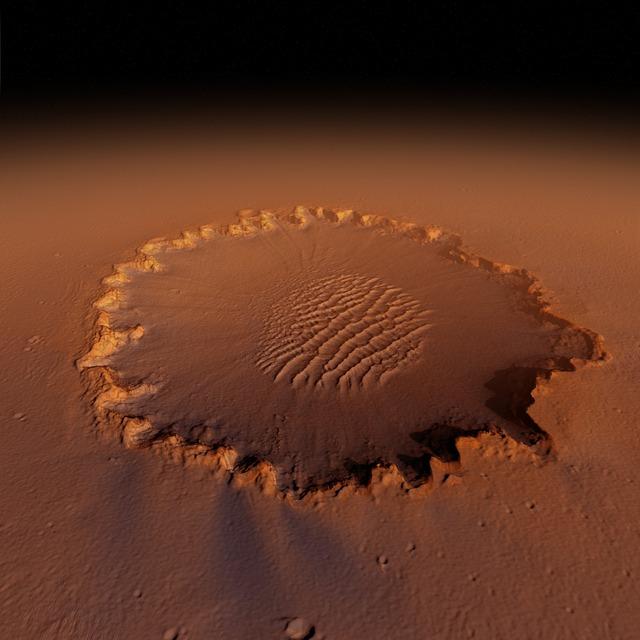
Around 6.3 million years ago, a colossal asteroid struck Earth, leaving behind a vast and enigmatic field of natural glass in Brazil. This extraordinary impact, recently studied in detail, has shed new light on the catastrophic events that shaped the planet’s geological history. Scientists have identified and analyzed this giant glass field, uncovering evidence of the immense energy unleashed during the collision. The discovery not only deepens our understanding of asteroid impacts but also provides valuable insights into the environmental consequences such events can trigger.
Asteroid Collision 6.3 Million Years Ago Created Vast Glass Field in Brazil
Scientists have uncovered compelling evidence linking a colossal asteroid impact to the formation of one of Brazil’s most extraordinary natural features – a sprawling field covered with dazzling glass fragments. Dating back approximately 6.3 million years, this catastrophic event generated intense heat and pressure, melting the local rocks and scattering vast deposits of natural glass across the landscape. The discovery sheds light on the planet’s geologic history and offers new insights into the consequences of extraterrestrial collisions on Earth’s surface.
Detailed analyses reveal that the glass fragments, characterized by their unique composition and distinctive shapes, originated from shocked quartz and melted minerals triggered by the asteroid’s impact. The research highlights several key points:
- Massive energy release: The impact unleashed energy equivalent to thousands of nuclear bombs, instantly transforming solid rock into molten glass.
- Wide geographical spread: Glass deposits cover an area spanning hundreds of square kilometers, emphasizing the scale of the explosion.
- Implications for climate and ecology: The impact likely triggered environmental upheavals, influencing regional ecosystems and climate patterns of the late Miocene epoch.
Geological Significance and New Insights into Ancient Impact Events
Recent research has unveiled that a massive asteroid impact approximately 6.3 million years ago in what is now Brazil created an extensive field of natural glass, known as impactite. This discovery provides compelling evidence of the asteroid’s size and the immense energy released upon collision, reshaping our understanding of ancient geological processes. The glass fragments, scattered over hundreds of square kilometers, offer a rare glimpse into how extraterrestrial forces have shaped Earth’s surface through catastrophic events.
Scientists studying the impactite have highlighted several key insights:
- Age and composition analysis confirms the timing and high-temperature conditions of the impact.
- Geochemical signatures link the glass field to a single, powerful asteroid strike rather than multiple smaller events.
- Implications for planetary geology include new models on crater formation and regional tectonic influence.
These findings not only deepen our understanding of Earth’s geological history but also assist in identifying and interpreting ancient impact sites elsewhere on the planet, shedding light on the frequency and consequences of such cosmic collisions.
Experts Advise Further Research to Understand Environmental Effects and Preservation Strategies
Scientists emphasize the critical need for ongoing studies to unravel the complex environmental consequences triggered by the massive asteroid impact in Brazil millions of years ago. This cataclysmic event not only reshaped the regional landscape but also released vast quantities of energy, potentially influencing climate patterns and ecosystems on a global scale. Researchers are calling for multidisciplinary approaches to investigate:
- Long-term atmospheric changes following the impact
- Effects on flora and fauna biodiversity during the period
- Geochemical alterations in surrounding soils and water sources
In parallel, experts are prioritizing the development of robust preservation strategies to protect the enormous glass field, which serves as a unique natural archive of this prehistoric incident. Preventing degradation caused by natural erosion and human activity is essential to ensure this geological treasure remains intact for future scientific inquiry. Collaborative efforts between governments, research institutions, and local communities will be pivotal in safeguarding this extraordinary site for generations to come.
To Wrap It Up
The discovery of the vast glass field in Brazil, formed by a massive asteroid impact 6.3 million years ago, offers new insights into the planet’s geological history and the scale of extraterrestrial events that have shaped Earth’s surface. As researchers continue to study the composition and distribution of this unique site, the findings promise to deepen our understanding of impact processes and their lasting effects on the environment. This remarkable glass formation stands as a lasting testament to the dynamic forces that have influenced life on our planet for millions of years.