
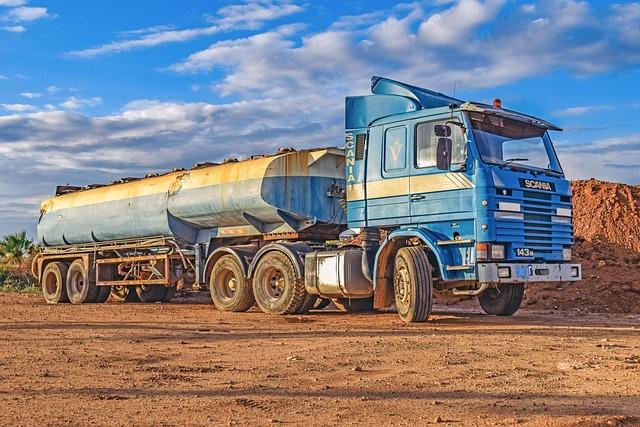
In a rare development amid escalating regional tensions and ongoing sanctions, Iran has permitted two gas tankers to transit through the strategic Strait of Hormuz en route to India, sources told Reuters. The move marks a significant easing in Tehran’s often stringent export restrictions and comes as both countries seek to bolster energy trade despite geopolitical challenges. This exclusive report sheds light on the latest dynamics in Middle Eastern energy flows and their broader implications for global markets.
Iran Allows Two Gas Tankers Passage Through Strait of Hormuz to India Signaling Shift in Regional Energy Dynamics
In a notable development, Iran has authorized the passage of two gas tankers through the strategic Strait of Hormuz en route to India, according to informed sources. This unprecedented move marks a tangible shift in the region’s energy geopolitics, suggesting an easing of previously heightened tensions affecting maritime routes critical for global energy supplies. The transit underscores Tehran’s willingness to engage with Asian markets directly, potentially bypassing existing sanctions and trade barriers that have long restricted its energy exports.
Industry analysts highlight several implications of this passage:
- Strengthening Iran-India energy ties: Direct shipment could signal a new chapter in bilateral cooperation, enhancing energy security for India.
- Impact on regional power balance: The move may challenge the influence of other regional players vying for control over energy routes.
- Signals to global markets: It could introduce new dynamics in supply chains amid fluctuating oil and gas prices worldwide.
With the Strait of Hormuz acting as a critical chokepoint for nearly a fifth of the world’s oil supply, Tehran’s facilitation of these shipments may herald shifting alliances and emerging economic strategies within the volatile Middle East landscape.
Implications of Iran’s Decision for Global Energy Security and US-Iran Relations
Iran’s decision to allow two gas tankers passage through the Strait of Hormuz marks a significant development in the dynamics of global energy security. The Strait, a critical chokepoint through which approximately 20% of the world’s petroleum passes, has long been a flashpoint for geopolitical tensions. By facilitating the transit of these vessels to India, Tehran signals a willingness to engage in more nuanced energy diplomacy amid ongoing sanctions and regional pressures. This move could potentially ease fears of supply disruptions in global markets, offering a degree of stability to international stakeholders dependent on Middle Eastern energy exports.
On the diplomatic front, this action might represent a subtle shift in the fraught US-Iran relations. Despite the absence of formal negotiations, Iran’s gesture could be interpreted as an attempt to recalibrate ties with the United States indirectly by demonstrating cooperation in global trade routes. However, Washington remains cautious, as underlying tensions over Iran’s nuclear ambitions and regional influence persist. Key factors to watch include:
- US enforcement of sanctions and how strictly restrictions on Iranian oil exports will continue to be applied;
- India’s balancing act between maintaining energy security and navigating US-Iran diplomatic currents;
- Potential precedents this development may set for other countries reliant on Middle Eastern energy supplies.
The unfolding situation will be pivotal in shaping both regional power alignments and the broader contours of energy security in the near term.
Experts Urge Enhanced Diplomatic Engagement and Maritime Security Measures in the Gulf Region
In the wake of Iran permitting two gas tankers to navigate through the strategically critical Strait of Hormuz en route to India, regional experts emphasize the urgent need for strengthened diplomatic channels. This move, although seen as a positive development for energy trade continuity, exposes the persistent vulnerabilities in maritime security that have long plagued the Gulf region. Analysts argue that fostering deeper cooperation between Gulf states and global stakeholders is essential to mitigating risks posed by geopolitical tensions, piracy, and potential conflicts that could disrupt vital shipping lanes.
To address these challenges effectively, experts recommend a multi-faceted approach that includes:
- Enhanced intelligence sharing among Gulf countries and international partners to anticipate and neutralize threats swiftly.
- Joint naval patrols and coordinated maritime exercises to secure commercial routes and reassure traders.
- Strategic dialogue platforms aimed at de-escalating regional disputes and fostering transparency on maritime operations.
Collectively, these measures are viewed as critical to sustaining peace and economic stability in a region that remains a linchpin for global energy markets.
The Conclusion
As Iran continues to navigate complex geopolitical waters, the reported passage of two gas tankers through the strategically vital Strait of Hormuz to India highlights ongoing dynamics in regional energy trade. Sources indicate this move may signal subtle shifts in Tehran’s approach amid international sanctions and growing demand from Asian markets. Observers will be closely monitoring developments to assess the broader implications for energy security and diplomatic relations in the region. Further updates are expected as more information becomes available.