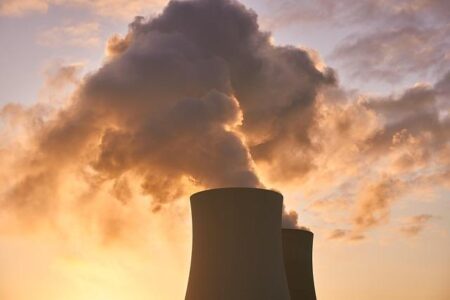
A recent study reveals that Germany will require 53 gigawatts (GW) of hydrogen-capable gas power plants to meet its ambitious energy transition goals. As the country pushes to decarbonize its power sector and integrate renewable energy sources, these flexible gas-fired units capable of burning hydrogen are seen as a critical bridge technology. The findings underscore the growing role of hydrogen in Germany’s future energy mix and highlight the challenges ahead in scaling up infrastructure to support a low-carbon grid.
Germany Faces Urgent Demand for Hydrogen-Ready Gas Power Infrastructure
The recent study highlights a pressing need for Germany to expand its gas power infrastructure to a capacity of 53 gigawatts equipped for hydrogen utilization. This shift is critical as the nation accelerates its transition towards cleaner energy sources, aiming to reduce carbon emissions while maintaining grid stability. Hydrogen-ready technology not only supports Germany’s ambitious climate targets but also provides flexibility amid the increasing integration of renewable energy by storing excess power and converting it during peak demand periods.
Key recommendations from the report emphasize:
- Immediate upgrades to existing gas power plants allowing for hydrogen blending.
- Investment incentives to encourage new constructions designed for 100% hydrogen operation.
- Policy frameworks to ensure regulatory support and infrastructure development aligns with energy transition goals.
Experts warn that without swift action, Germany risks falling behind in the global race to integrate hydrogen into its energy system, potentially compromising energy security and economic competitiveness in a decarbonized future.
Study Highlights Integration Challenges and Grid Stability Benefits
As Germany accelerates its energy transition, the integration of hydrogen-capable gas power plants into the national grid presents complex challenges. The study underscores issues such as grid congestion, ramping flexibility, and the need for advanced control systems to manage fluctuating renewable inputs alongside hydrogen-fired generation. Stakeholders emphasize that without strategic infrastructure upgrades and comprehensive grid management policies, these integration hurdles could hinder the effective deployment of the projected 53GW capacity.
Despite these obstacles, the research highlights significant benefits for grid stability. Hydrogen-capable plants offer rapid response capabilities and can operate as reliable backup sources during periods of low renewable output. Key advantages include:
- Enhanced operational flexibility: Allowing smoother balancing of supply and demand.
- Reduced carbon emissions: When powered by green hydrogen, these plants cut traditional fossil fuel reliance.
- Increased energy security: Providing a dispatchable resource that supports grid resilience.
These factors collectively position hydrogen-fueled gas power as a cornerstone for Germany’s sustainable, stable electricity future.
Experts Call for Accelerated Investment and Clear Policy Frameworks
Industry leaders and energy analysts emphasize the urgency of scaling up investments to meet Germany’s ambitious hydrogen power goals. The current pace of funding is inadequate to bridge the impending gap in energy infrastructure, potentially stalling the nation’s transition to a low-carbon economy. Experts argue that public and private stakeholders must collaborate more aggressively, channeling resources into research, development, and deployment of hydrogen-capable gas power plants to ensure energy security and sustainability.
Alongside financial inputs, the call for robust legislative support is loud and clear. The absence of a well-defined regulatory framework risks creating uncertainty for investors and developers alike. Key policy recommendations include:
- Establishing clear targets and timelines for hydrogen integration into the power sector
- Introducing incentives to stimulate technological innovation and infrastructure development
- Coordinating cross-sector strategies to unify energy, industrial, and environmental goals
Such measures are deemed essential to unlocking the full potential of hydrogen and propelling Germany towards its climate commitments.
The Conclusion
As Germany accelerates its transition to a low-carbon energy future, the study’s findings underscore the critical role that hydrogen-capable gas power plants will play in ensuring grid stability and meeting climate targets. With a projected need for 53GW of such capacity, policymakers and industry stakeholders face the challenge of scaling up infrastructure investment and regulatory frameworks to support this transformation. The integration of hydrogen technologies into Germany’s energy mix not only represents a significant step toward decarbonization but also highlights the evolving landscape of power generation in one of Europe’s largest energy markets.