In the wake of intensified U.S. sanctions that have effectively cut off Cuba’s access to oil, Beijing is emerging as a pivotal energy partner by investing heavily in solar power projects across the island. As Washington’s policies squeeze Havana’s traditional fuel imports, China’s entry signals a significant shift in Cuba’s energy landscape, blending geopolitical maneuvering with a crucial push toward renewable resources. This development not only underscores the island nation’s adaptation to mounting economic pressure but also highlights the growing influence of Chinese technology and finance in the Caribbean.
Trump’s Sanctions Severely Restrict Cuba’s Oil Imports Deepening Energy Crisis
The tightening of sanctions under the Trump administration has drastically curtailed Cuba’s ability to import crude oil and refined petroleum products, exacerbating an already fragile energy landscape. The Caribbean island, heavily reliant on Venezuelan oil for decades, now faces dwindling fuel supplies that have crippled transportation, electricity generation, and essential services. Power outages have become commonplace, industrial output has declined, and ordinary citizens are grappling with lengthy queues for scarce gasoline. This deepening energy crisis not only threatens economic stability but also raises public health and security concerns across the nation.
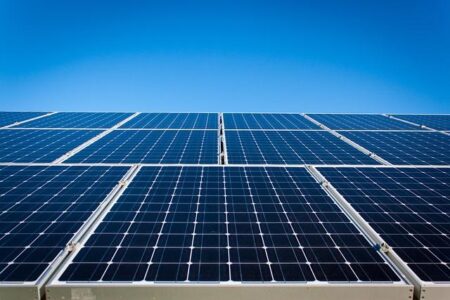
Against this backdrop, China is emerging as a critical partner, seeking to fill the energy void with investments in renewable solutions. The expansion of solar energy infrastructure marks a strategic pivot aimed at reducing dependence on fossil fuels and circumventing the restrictions imposed by U.S. sanctions. Officials emphasize that solar projects are being deployed rapidly to provide decentralized power sources, especially in rural and underserved areas. Key elements of this initiative include:
- Installation of photovoltaic solar panels across public institutions and residential zones
- Development of microgrid systems to ensure stable energy distribution
- Training programs to develop local expertise in sustainable energy maintenance
This shift not only offers short-term relief but also aligns with Cuba’s long-term environmental goals, signaling a potentially transformative response to a crisis driven by geopolitical tensions.
China Advances Solar Investments to Offset Cuba’s Fuel Shortage and Boost Sustainability
In response to persistent fuel shortages exacerbated by U.S. sanctions, China has significantly increased its investment in Cuba’s renewable energy sector, focusing primarily on solar power installations. These initiatives aim to reduce the island nation’s heavy reliance on imported oil, which has been critically constrained in recent years. Chinese companies are deploying state-of-the-art solar panels and associated infrastructure across key regions, facilitating a transition toward cleaner, more sustainable energy sources. This move not only addresses Cuba’s immediate energy crisis but also represents a strategic alignment with Beijing’s broader Belt and Road Initiative objectives in Latin America.
Key components of the Chinese-backed projects include:
- Installation of large-scale photovoltaic arrays to provide reliable power to both urban and rural areas.
- Development of energy storage systems to mitigate intermittency issues and ensure grid stability.
- Training and technology transfer programs aimed at empowering local Cuban technicians and engineers.
These efforts are expected to substantially increase Cuba’s energy independence while simultaneously reducing carbon emissions. As Cuba grapples with the long-term impacts of limited fuel imports, the integration of solar solutions signals a pivotal shift toward sustainable growth and resilience in its energy infrastructure.
Policy Recommendations Urge Enhanced US Engagement and Support for Cuba’s Renewable Transition
Amid escalating geopolitical tensions and an ongoing energy crisis in Cuba, experts are calling on the United States to recalibrate its approach toward the island’s energy landscape. With the Trump administration’s sanctions having severely restricted Cuba’s access to oil, the country has faced significant energy shortages, prompting a critical need for sustainable alternatives. Analysts emphasize that enhanced US engagement could accelerate Cuba’s renewable energy transition, fostering economic resilience and regional stability. By supporting infrastructure investments and technology transfers focused on solar and other clean energies, the US stands to play a pivotal role in reshaping Cuba’s energy future.
The policy community broadly recommends a multi-faceted US strategy that includes:
- Facilitating partnerships between American renewable energy firms and Cuban counterparts to harness solar potential
- Providing financial incentives and technical assistance aimed at modernizing Cuba’s electricity grid
- Reevaluating sanctions policies that inadvertently stifle renewable development and humanitarian progress
- Engaging with international stakeholders, particularly those like China, which are increasingly investing in Cuban solar projects
Such measures could not only counterbalance China’s growing influence on the island but also create avenues for constructive diplomacy grounded in sustainable development goals. As Cuba navigates this pivotal energy transition, US policy adjustments are crucial to fostering an environment conducive to green innovation and economic recovery.
In Retrospect
As the geopolitical landscape shifts, Cuba faces a critical energy crossroads. With traditional oil supplies curtailed under U.S. sanctions, the island nation is increasingly turning to China’s solar technology to meet its power needs. This pivot not only highlights the growing influence of renewable energy in strained international relations but also underscores the evolving alliances shaping Cuba’s future. How this energy transition will impact Cuba’s economy and U.S.-China competition in the region remains a story to watch closely.