
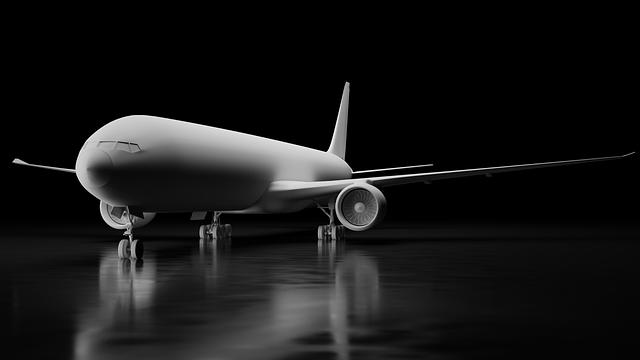
In a rare and perplexing aviation mishap, Air India inadvertently dispatched the wrong Boeing 777 aircraft on a flight from Delhi to Canada, forcing the plane to turn back mid-journey over Chinese airspace. The incident, confirmed by airline officials, has raised questions about operational protocols and aircraft management within the carrier. This unexpected turn of events disrupted the scheduled service and prompted an immediate investigation into how such a mix-up occurred on one of the airline’s critical international routes.
Air India Dispatches Incorrect Boeing 777 on Delhi to Canada Flight Creating Operational Confusion
In an unprecedented operational hiccup, Air India inadvertently dispatched a Boeing 777 variant that was not authorized for the Delhi to Canada route, leading to significant confusion mid-flight. The aircraft, which lacked the necessary clearance to enter Canadian airspace, was forced to alter its trajectory and return after crossing over China. This incident not only disrupted the travel plans of hundreds of passengers but also raised critical questions regarding the airline’s route certification and aircraft deployment protocols.
Key points from the incident include:
- The Boeing 777 model sent was not equipped or cleared for Canadian airspace entry requirements.
- Air traffic controllers over China instructed the plane to reverse course, adding to the flight duration and operational costs.
- Passengers experienced delays exceeding five hours owing to the unexpected turnaround.
- Air India has launched an internal inquiry to identify lapses and prevent recurrence of such errors.
Challenges and Risks of Mid-Air Flight Reversals in International Airspace
The decision to reverse a flight’s course mid-air, especially over international airspace, involves a complex matrix of logistical, diplomatic, and safety challenges. Aircraft are tightly scheduled to optimize air traffic flow, fuel consumption, and passenger connections, meaning any abrupt rerouting can ripple through numerous downstream operations. In instances like the recent Air India incident, rerouting an aircraft after crossing into Chinese airspace underscores the delicate balance of international aviation protocols and the need for rapid coordination with multiple air traffic control centers. Pilots and ground control must navigate shifting geopolitical sensitivities, ensuring compliance with sovereign airspace regulations while safeguarding passenger safety.
Key risks emerge from such reversals, including heightened fuel consumption and potential delays, which strain airline resources and passenger itineraries alike. Additionally, there is a compounded risk of mid-air congestion, as sudden course changes can disrupt meticulously planned flight corridors shared among numerous airlines. The incident also raises concerns over communication clarity and decision-making hierarchies in high-pressure situations. Airlines and regulatory bodies must therefore invest in advanced contingency planning and real-time communication tools to mitigate the multifaceted repercussions of unexpected return maneuvers in crowded and politically sensitive skies.
- Challenges: Navigating international airspace permissions, coordinating with multiple ATC centers, maintaining safety protocols.
- Risks: Increased fuel usage, passenger delays, air traffic congestion, diplomatic sensitivities.
- Operational impacts: Disruption to subsequent flight schedules, logistical complexities at destination airports.
Recommendations for Airline Protocols to Prevent Aircraft Deployment Errors
To mitigate incidents like the erroneous deployment of aircraft, airlines must implement rigorous cross-verification protocols before flight dispatch. This includes mandatory double-checking of aircraft registration and flight route data by both ground operations and flight crew. Utilizing advanced software that flags inconsistencies between assigned planes and scheduled routes can serve as a critical preventive step. Additionally, fostering a culture where frontline staff feel empowered to question unusual assignments without fear of reprisal enhances operational vigilance.
Operational transparency should be complemented by ongoing training programs emphasizing the importance of accurate aircraft deployment. Ground handlers, dispatchers, and pilots must participate in regular simulation drills to recognize and respond swiftly to potential errors. Furthermore, airlines ought to maintain open communication channels with air traffic control authorities to quickly rectify mismatches before aircraft enter restricted airspace. Implementing these layered checks and balances ensures not only passenger safety but also preservation of the airline’s credibility.
- Mandatory double-verification of aircraft and flight assignments
- Deployment of automated alert systems for assignment discrepancies
- Regular training and simulation exercises for operational staff
- Encouragement of proactive communication across departments
- Establishment of real-time coordination with air traffic control
Final Thoughts
As the investigation into the incident continues, Air India faces mounting scrutiny over the operational error that led to the dispatch of the wrong Boeing 777 from Delhi to Canada. The airline has urged the aircraft to return safely after diverting over Chinese airspace, highlighting the complexities of international aviation protocols. Authorities and industry experts are expected to review procedures to prevent similar mishaps in the future. Further updates will follow as more details emerge.