
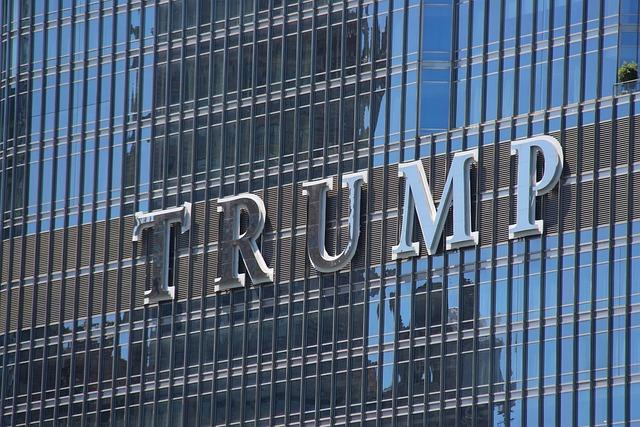
Former President Donald Trump expressed satisfaction following the end of Robert Mueller’s tenure as special counsel investigating Russian interference in the 2016 U.S. presidential election. In a rare public statement, Trump reportedly celebrated Mueller’s departure, reflecting the ongoing tensions surrounding the high-profile probe that dominated much of his presidency. This development marks a significant moment in the long-running saga that has shaped the political landscape in Washington and continues to impact public discourse on election security and accountability.
Trump Celebrates Death of Mueller Reflecting Deep Political Divides
In a startling public response, former President Donald Trump openly expressed satisfaction over the death of Robert Mueller, the special counsel known for leading the exhaustive investigation into Russian interference in the 2016 presidential election. Trump’s remarks, made during a recent interview, have ignited widespread controversy, illustrating the persistent polarization that continues to define American politics. Critics argue that such celebrations of a figure dedicated to upholding accountability undermine the seriousness of political discourse and disrespect the gravity of Mueller’s work.
Key reactions to Trump’s comments include:
- Democratic leaders: Condemned the statements as divisive and unbecoming of a former president.
- Trump supporters: Some echoed approval, viewing Mueller as a symbol of what they call a “witch hunt.”
- Political analysts: Warned that this episode highlights the deepening rifts and the erosion of mutual respect across the political spectrum.
Impact of Mueller’s Legacy on Russia Election Interference Investigations
The late Robert Mueller’s investigative work left an indelible mark on the landscape of American politics and the understanding of foreign interference in U.S. elections. Mueller’s legacy reshaped how such investigations are conducted, shining a light on the complexities of Russian operatives’ attempts to influence democratic processes. His meticulous approach set a benchmark for thoroughness, revealing intricate networks of collusion and sowing public awareness about vulnerabilities in U.S. electoral systems. This foundation has since been vital for ongoing and future probes into election security, underscoring the need for constant vigilance against foreign meddling.
Despite his passing, Mueller’s influence endures, influencing legislation and investigative strategies aimed at protecting electoral integrity. His tenure demonstrated the power of impartial inquiry in the face of intense political pressure, encouraging reforms such as:
- Enhanced surveillance of foreign interference tactics
- Improved cybersecurity measures for election infrastructure
- Greater transparency in political campaign funding
While reactions to Mueller’s legacy remain deeply polarized, the ongoing emphasis on election integrity in subsequent investigations reflects the lasting significance of his work in safeguarding democracy from covert influence operations.
Reevaluating Oversight and Accountability in Future Electoral Probes
As the dust settles on the Mueller investigation, which scrutinized Russian interference in the 2016 election, there is an urgent need to reconsider the frameworks governing electoral probes moving forward. The highly politicized climate surrounding Robert Mueller’s tenure exposed vulnerabilities in the existing oversight mechanisms. Ensuring impartiality and transparency in such inquiries is paramount to restoring public trust in democratic institutions. Policymakers and watchdog groups alike must collaborate to establish clear guidelines that prevent the weaponization of investigations against political adversaries, while simultaneously holding all actors accountable without fear or favor.
Key areas for reform include:
- Enhanced structural independence: Creating oversight bodies insulated from partisan pressures to lead election-related investigations.
- Transparent reporting mandates: Requiring regular, accessible updates on probe progress to maintain public confidence.
- Defined scope and timelines: Limiting investigations to clearly outlined objectives and reasonable durations to avoid protracted political battles.
- Robust accountability checks: Instituting mechanisms to review misconduct or bias post-investigation to prevent recurrence.
By integrating these principles, future electoral probes can navigate the complexities of political scrutiny while upholding the integrity essential to democracy’s foundation.
To Conclude
As the legacy of Robert Mueller’s investigation into Russian election interference continues to reverberate across American politics, the stark reactions to his passing underscore the deep divisions that still define the national discourse. While some remember Mueller as a steadfast figure in the pursuit of electoral integrity, others, including former President Trump, express relief at the end of an era marked by intense scrutiny and controversy. The complex legacy of Mueller’s probe remains a poignant chapter in the ongoing conversation about democracy, accountability, and the rule of law in the United States.