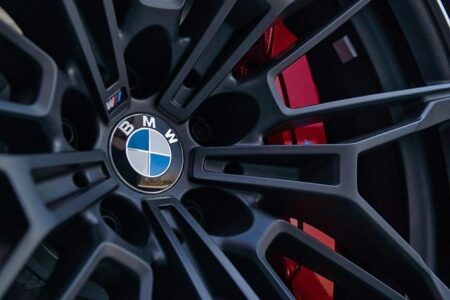
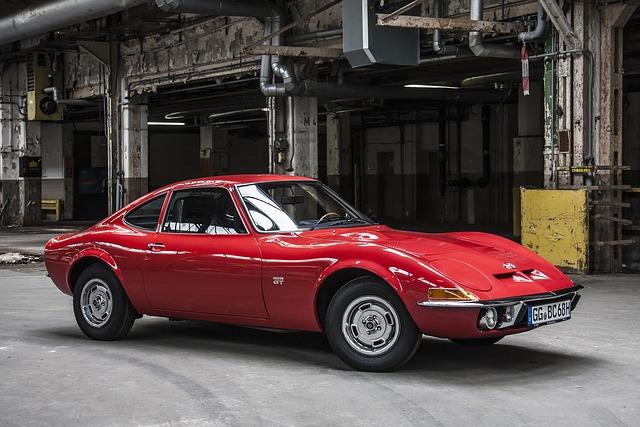
As Germany’s iconic automotive industry faces unprecedented challenges, the future of its leading car manufacturers hangs in the balance. Once global symbols of engineering excellence and innovation, giants like Volkswagen, BMW, and Daimler are grappling with a rapidly shifting market landscape marked by stringent environmental regulations, intensifying competition from electric vehicle newcomers, and the urgent need for technological transformation. This article explores the critical crossroads confronting Germany’s troubled carmakers and what lies ahead in their race to adapt and survive in the age of mobility disruption.
Challenges Facing Germany’s Auto Industry in the Shift to Electric Vehicles
Germany’s automotive titans are grappling with the immense task of redefining their legacy in the age of electric mobility. The transition from internal combustion engines to electric drivetrains necessitates substantial investments in R&D, retooling of factories, and a complete overhaul of supply chains. This seismic shift is complicated by strict EU emissions regulations and an aggressive global push towards sustainability, forcing manufacturers to balance innovation with profitability. Furthermore, German automakers face heightened competition from established EV players and nimble startups that have already captured significant market shares with their electric-first strategies.
Several systemic obstacles add to the strain: limited battery production capacities, a scarcity of charging infrastructure, and workforce challenges as employees require retraining for new technologies. Additionally, legacy business models tied to diesel and petrol engines pose a psychological and operational barrier within some segments of the industry. Policymakers and companies alike are under pressure to coordinate efforts to accelerate the development of green technologies and secure supply chains for critical raw materials like lithium and cobalt. The road ahead demands unprecedented agility and cooperation if Germany’s car giants are to remain competitive in the electrified future.
- High investment costs amid uncertain returns
- Dependence on imported battery components
- Need for rapid upskilling of the workforce
- Pressure from stricter environmental standards
- Growing competition from global EV brands
Strategies for Innovation and Sustainability Amidst Global Competition
Facing mounting pressure from emerging international players and evolving regulatory landscapes, Germany’s automotive leaders are pivoting towards robust innovation frameworks. Central to their approach is the integration of cutting-edge technologies such as electric drivetrains, autonomous driving systems, and advanced AI-driven manufacturing processes. These giants are investing heavily in research and development hubs that focus on sustainable solutions, driven by both market demand and stringent EU emission targets. Partnerships with tech startups and academic institutions are also becoming instrumental in accelerating breakthroughs, while a shift to modular vehicle platforms promises enhanced flexibility and cost efficiency across product lines.
- Electrification of fleets: Expanding electric vehicle offerings to reduce carbon footprints and meet environmental standards.
- Digital transformation: Leveraging data analytics and IoT to optimize production and enrich customer experiences.
- Supply chain sustainability: Implementing transparent sourcing and circular economy principles to minimize waste.
- Global market adaptation: Tailoring products to regional demands while maintaining core brand identity.
Simultaneously, these manufacturers face the challenge of remaining competitive without compromising sustainability goals. Embracing a holistic approach, they aim to restructure their value chains by adopting renewable energy and reducing reliance on fossil fuels throughout production stages. Workforce upskilling is another priority, ensuring employees are equipped to handle evolving technologies and agile workflows. As global competition intensifies, the success of Germany’s carmakers will depend on their ability to marry innovation with environmental stewardship, setting a precedent for the automotive industry worldwide.
Policy Recommendations to Revitalize Germany’s Automotive Sector
To turn the tide for Germany’s automotive titans, a multi-faceted approach is essential. Incentivizing innovation through targeted subsidies for electric vehicle (EV) research and development can position these companies at the forefront of the global green mobility shift. Furthermore, streamlining regulatory frameworks to accelerate the deployment of EV infrastructure nationwide, including charging stations and battery recycling facilities, will create a more favorable environment for both manufacturers and consumers alike.
At the same time, fostering closer collaboration between car manufacturers, technology startups, and academic institutions can fuel breakthroughs in autonomous driving and smart mobility solutions. Policymakers are urged to support workforce retraining programs to address the skills gap emerging from the sector’s transition to digital and sustainable technologies. Key proposals include:
- Increased public-private investment in EV battery innovation
- Tax reliefs for companies adopting green production methods
- Support for international partnerships to expand export markets
- Enhanced funding for vocational training and upskilling
Insights and Conclusions
As Germany’s automotive titans navigate a landscape marked by technological disruption, regulatory pressure, and shifting consumer preferences, their ability to innovate and adapt will be critical to securing a sustainable future. The coming years will test not only their engineering prowess but also their strategic vision, as they strive to maintain their historic standing on the global stage. DW will continue to monitor these developments closely, bringing updates on how Germany’s car industry evolves amid these profound challenges.