
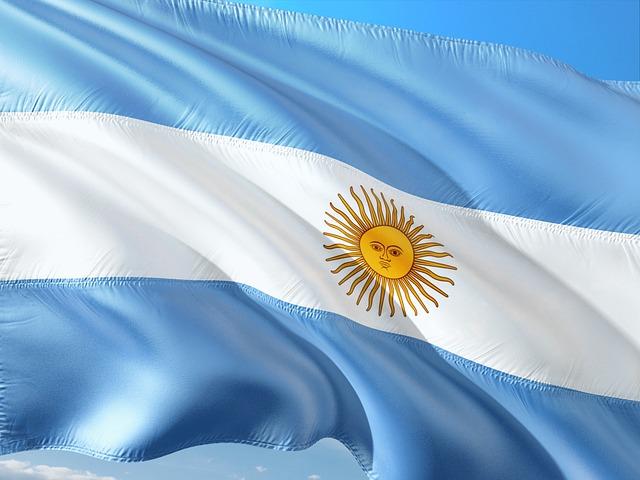
In a surprising move that has caught the attention of the global health community, Argentina has officially announced its withdrawal from the World Health Organization (WHO). The decision, revealed earlier this week, marks a significant shift in the country’s engagement with international health governance amid ongoing debates over public health policies and sovereignty. This development raises important questions about the future of Argentina’s health collaborations and its role in global efforts to combat pandemics and other health challenges.
Argentina Exits World Health Organization Amid Rising Health Policy Tensions
Argentina’s decision to exit the World Health Organization marks a significant shift in its approach to global health collaboration. The move comes amid escalating disagreements over international health policy strategies, particularly concerning pandemic response measures and resource allocation. Argentine officials have expressed concerns that the WHO’s directives do not adequately consider the unique socioeconomic challenges faced by the nation, signaling a growing desire for more nationally tailored health governance.
Key points surrounding this departure include:
- Discontent over pandemic protocols: Argentina criticized standardized mandates that conflicted with its localized health initiatives.
- Funding and autonomy concerns: Issues arose regarding the influence of global funding mechanisms on domestic health policies.
- Future of international collaboration: The nation intends to pursue bilateral health agreements while reassessing its role in multilateral health forums.
Impact of Withdrawal on Argentina’s Public Health Infrastructure and Global Cooperation
The abrupt decision to sever ties with the World Health Organization has sent ripples through Argentina’s public health sector, raising alarms about the sustainability of ongoing healthcare initiatives. Key programs that rely heavily on WHO guidance and funding, such as vaccination drives and infectious disease monitoring, now face uncertainty. Without this crucial international partnership, Argentina risks losing access to vital resources, including technical expertise and emergency response frameworks that have historically helped contain outbreaks and improve health outcomes nationwide.
On a global scale, Argentina’s withdrawal strikes a blow to multilateral health cooperation at a time when solidarity is paramount. The move diminishes Argentina’s voice in pivotal international health dialogues and undermines collaborative efforts to tackle pandemics, antimicrobial resistance, and non-communicable diseases. Experts warn that this isolation could lead to a fragmentation of public health responses, characterized by:
- Reduced information sharing on emerging health threats
- Delayed access to breakthroughs in medical research and vaccine distribution
- Weakened global networks essential for coordinated disease control
Ultimately, the ramifications extend beyond national borders, impacting the collective ability to safeguard health security on a global scale.
Experts Urge Strengthened National Health Strategies to Offset WHO Disengagement
As Argentina steps back from its engagement with the World Health Organization, public health experts across the nation are advocating for a robust recalibration of the country’s internal health policies. The move has raised concerns about potential gaps in pandemic preparedness, vaccination programs, and international disease monitoring. Authorities are called upon to bolster healthcare infrastructure and enhance surveillance mechanisms to ensure that the withdrawal does not compromise public safety or hinder the management of health crises.
Key strategies being emphasized include:
- Expanding domestic research initiatives to generate localized health data.
- Strengthening regional cooperation with neighboring countries to compensate for reduced WHO coordination.
- Increasing investment in primary healthcare facilities to improve access and response time.
- Launching public awareness campaigns to sustain trust and compliance in health programs.
Experts stress that, moving forward, a collaborative approach involving government agencies, civil society, and the private sector will be crucial in preserving the gains made in health outcomes and safeguarding Argentina’s population from future health emergencies.
To Conclude
Argentina’s decision to withdraw from the World Health Organization marks a significant shift in its approach to global health collaboration. As the country navigates the implications of this move, both regional and international health communities will be watching closely to assess its impact on public health initiatives and pandemic response efforts. Further developments are expected as Argentina outlines its future strategy for addressing health challenges outside the framework of the WHO.