
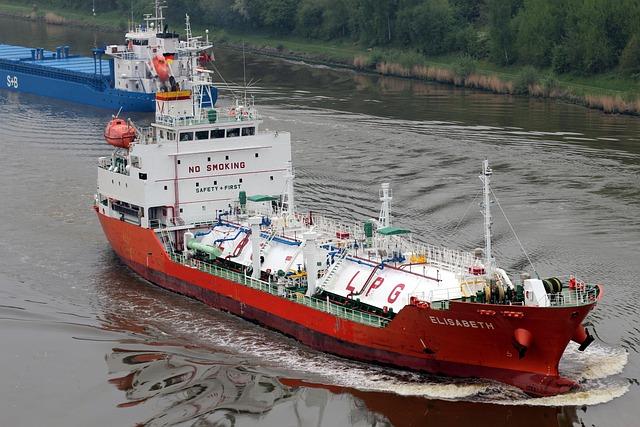
Two Indian oil tankers passed through the strategic Strait of Hormuz on Tuesday, navigating a tense geopolitical backdrop as the standoff between the United States and Iran continues to simmer. The passage of these vessels comes amid rising concerns over security in one of the world’s most crucial maritime chokepoints, underscoring the fragile balance in the region as Washington maintains maximum pressure on Tehran. Reuters reports that the movements highlight India’s ongoing efforts to secure energy supplies while carefully managing its diplomatic position in an increasingly volatile environment.
India Tankers Navigate Strait of Hormuz Amid Rising US Iran Tensions
Two Indian-owned tankers successfully traversed the strategically critical Strait of Hormuz amid escalating tensions between the United States and Iran. The tankers, laden with crucial crude shipments, navigated the narrow maritime corridor that accounts for nearly a third of the world’s seaborne oil trade. This passage marks a significant logistical move as regional uncertainties continue to disrupt global energy markets. Industry sources confirm the vessels adhered to all international maritime protocols, despite heightened security concerns and increased naval patrols in the region.
Key details surrounding the transit include:
- Both tankers registered under India’s flag with Indian crews on board.
- The shipment underscores India’s commitment to securing energy supplies amidst geopolitical volatility.
- US-Iran tensions have raised fears of potential naval blockades, affecting international shipping routes.
Observers note that the tanker movements demonstrate the resilience of Indian maritime operations, even as diplomatic negotiations between Washington and Tehran remain unresolved. The developments highlight the broader challenges faced by energy-importing nations reliant on uninterrupted passage through the Strait, underscoring the fluid dynamics of Middle East geopolitics and their global economic ramifications.
Strategic Implications for Regional Security and Energy Supplies
The recent passage of two Indian oil tankers through the Strait of Hormuz underscores the delicate balance of power and the fragility of regional security in the Gulf amid escalating tensions between the United States and Iran. As the narrow chokepoint remains a strategic artery for global energy supplies, any disruption could have profound ripples across international markets and geopolitical alignments. The incident highlights the pressing need for enhanced maritime security cooperation among regional actors and global stakeholders to safeguard vital shipping lanes from potential Iranian retaliation or U.S. military posturing.
Key strategic considerations include:
- Ensuring uninterrupted flow of energy exports to stabilize global oil markets amid sanctions and diplomatic standoffs.
- Maintaining open communication channels between regional powers to minimize the risk of miscalculation or accidental escalation.
- Leveraging diplomatic and military tools to reinforce collective security arrangements in the Gulf Cooperation Council (GCC) states.
- Assessing the implications for India’s growing energy partnerships and its broader Indo-Pacific strategy in a volatile environment.
Recommendations for Enhanced Maritime Coordination and Risk Mitigation
In the wake of escalating tensions in the Strait of Hormuz, a strategic chokepoint for global oil shipments, it is imperative that regional governments and international maritime agencies intensify collaborative efforts to safeguard navigation. Enhanced maritime coordination through shared intelligence, real-time vessel tracking, and joint patrol missions could significantly reduce the risk of miscalculations or accidental confrontations. Establishing clear communication channels between military and civilian maritime operators will also play a critical role in ensuring the safe passage of vessels, particularly tankers that are vital to global energy supplies.
Furthermore, risk mitigation strategies should prioritize the implementation of enhanced security protocols, including:
- Rigorous vetting and certification of commercial vessels operating in high-risk zones.
- Deployment of unmanned surveillance systems to monitor suspicious activities without escalating tensions.
- Regular joint exercises between regional navies to establish clear rules of engagement.
- Investment in resilient shipping routes and alternative logistics networks to diversify supply chains.
Collectively, these measures can form a robust framework to navigate the complex geopolitical landscape of the Persian Gulf, ensuring that maritime trade continues with minimal disruption even amid simmering standoffs like the current Trump-Iran standoff.
To Wrap It Up
As tensions continue to simmer between the United States and Iran, the passage of two Indian tankers through the strategic Strait of Hormuz underscores the delicate balance regional actors must navigate amid ongoing geopolitical uncertainty. Observers will be closely monitoring how these developments influence broader diplomatic efforts and the stability of global energy markets in the weeks ahead.