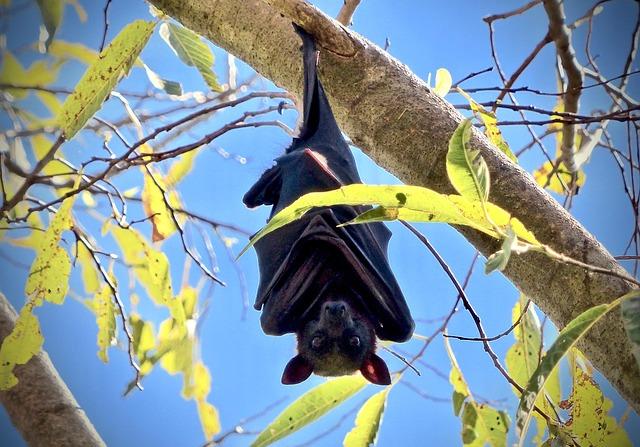
Flying foxes, often overlooked and misunderstood, are emerging as vital contributors to global ecosystems, according to a recent article in The New York Times. Long dismissed as mere nuisances or pests, these large fruit bats are now gaining recognition for their critical roles in pollination and seed dispersal across vast tropical regions. As scientists shed new light on their ecological importance, the conversation around conservation and biodiversity is shifting, challenging previous assumptions about these nocturnal mammals. This article explores the evolving understanding of flying foxes and what it means for environmental efforts worldwide.
Flying Foxes Play a Crucial Role in Ecosystems Beyond What Scientists Expected
Recent studies have revealed that flying foxes are far more integral to maintaining biodiversity than previously recognized. These nocturnal pollinators and seed dispersers facilitate the regeneration of numerous forest ecosystems, ensuring the survival of various plant species. Their nightly foraging activities spread seeds over vast distances, a process that supports forest resilience and helps combat the effects of deforestation and climate change.
Environmental scientists highlight several critical contributions of flying foxes, including:
- Promoting genetic diversity: By carrying pollen and seeds across fragmented habitats, flying foxes help maintain healthy plant populations.
- Supporting endangered species: Their role in seed dispersal aids the growth of rare tree species vital for other wildlife.
- Regulating ecosystems: Their absence could disrupt food webs and reduce ecosystem services that benefit human communities.
New Research Reveals Their Impact on Seed Dispersal and Forest Regeneration
Recent studies have shed light on the indispensable role flying foxes play in maintaining the health and diversity of forest ecosystems. Contrary to earlier assumptions that downplayed their ecological contributions, researchers now show that these large fruit bats excel at dispersing seeds over vast distances, effectively bridging fragmented habitats. Their nocturnal feeding habits and strong flight endurance allow them to carry seeds to remote locations, promoting genetic diversity among plant populations and aiding in natural forest regeneration processes.
Key findings emphasize that flying foxes:
- Transport a high volume of seeds, including those of rare and threatened tree species.
- Facilitate reforestation in degraded landscapes where other seed dispersers are less effective or absent.
- Enhance ecosystem resilience by supporting the growth of diverse plant communities that stabilize soils and regulate climate.
These insights are compelling conservationists and policymakers to rethink the protection status of flying fox populations, highlighting that safeguarding these bats is crucial not only for their survival but for the broader environmental equilibrium.
Experts Call for Enhanced Conservation Efforts to Protect These Essential Pollinators
Recent studies underscore the critical role flying foxes play in maintaining healthy ecosystems, particularly through their pollination activities. These large fruit bats are vital agents in the reproduction of numerous native plants, many of which rely exclusively on their nocturnal visits to thrive. However, habitat loss, climate change, and human interference have drastically reduced their populations, prompting urgent appeals from scientists and conservationists worldwide.
Experts emphasize that protecting flying foxes requires a multifaceted approach, including:
- Preserving and restoring native forests that serve as their natural habitats
- Implementing stricter regulations against hunting and disturbance in critical breeding areas
- Raising public awareness about the ecological services these pollinators provide
Without concerted conservation efforts, the decline of flying foxes threatens not only their survival but also the sustainability of entire ecosystems that communities and economies depend on.
Future Outlook
In reevaluating the role of flying foxes, this article underscores the urgent need to shift public perception and conservation efforts. As vital pollinators and seed dispersers, these often-misunderstood creatures are indispensable to maintaining the balance of ecosystems. Recognizing their ecological significance not only challenges longstanding misconceptions but also highlights a critical opportunity for environmental preservation moving forward.