
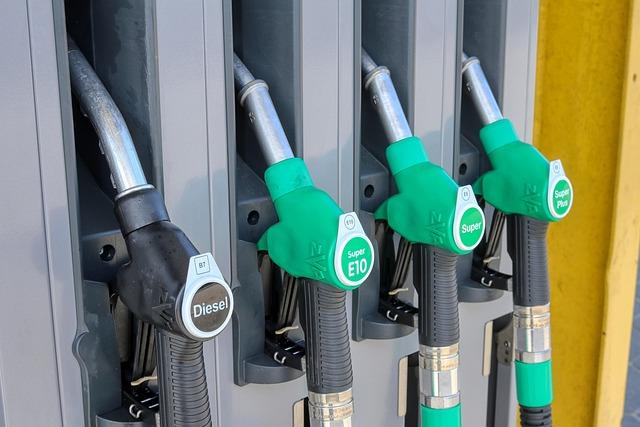
As fuel prices continue to fluctuate across Australia, consumers are feeling the impact on their daily lives and budgets. In a recent callout, the Australian Broadcasting Corporation asked viewers and readers to share how rising or falling fuel costs are affecting them. The responses reveal a complex picture of financial strain, changes in commuting habits, and broader concerns about the cost of living. This article explores the firsthand experiences of Australians navigating the challenges posed by shifting fuel prices.
Impact of Rising Fuel Prices on Household Budgets and Daily Commutes
Many Australians have reported significant strain on their household budgets due to the steep climb in fuel prices. Families are finding themselves reallocating funds from essentials like groceries and utilities to cover increased transport costs. Some respondents noted cutting back on non-essential expenses, while others are grappling with the difficult choice between heating their homes and filling up their vehicles. With rising fuel costs averaging over 50% compared to last year, the ripple effect extends beyond just cost at the pump, impacting overall financial stability.
The effect on daily commutes is equally notable. A growing number of individuals are switching to carpooling, public transportation, or even remote work schedules to counteract the rising expense. However, not everyone has the option to alter their routine, particularly in regional areas where public transport is limited. Those reliant on vehicles for work or schooling have voiced concerns about longer hours on the road, increased stress, and the broader implications for mental health. Shared experiences highlight a collective call for more sustainable and affordable alternatives in the transport sector.
Regional Communities Face Unique Challenges Amid Soaring Fuel Costs
Residents in regional areas are grappling with the brunt of soaring fuel prices, which are exacerbating existing economic pressures and limiting access to essential services. Farmers and small business owners report that transportation and operational costs have surged dramatically, forcing many to reconsider their sustainability. School buses, delivery services, and emergency response vehicles are all feeling the strain, sparking concerns over longer response times and reduced service availability. One community member noted, “It’s not just about filling up the tank – it’s about the flow-on effect to everything we rely on.”
The impact stretches beyond transport, affecting daily life in numerous ways:
- Increased grocery prices as freight costs rise
- Limited employment opportunities due to business cutbacks
- Reduced social mobility, isolating vulnerable groups like the elderly
- Challenges in accessing healthcare, particularly in remote communities
Many locals express a sense of urgency for targeted government support and infrastructure investments to ease the burden and address the widening disparity between city and country living.
Expert Advice on Managing Fuel Expenses and Exploring Alternative Transport Options
Amid skyrocketing fuel prices, experts emphasize the importance of proactive strategies to alleviate financial pressure. Budgeting more effectively and monitoring fuel consumption can lead to significant savings. Practical measures such as maintaining proper tire inflation, reducing idling time, and avoiding abrupt acceleration not only cut costs but also contribute to vehicle longevity. Additionally, carpooling and scheduling trips efficiently are advised to minimize unnecessary journeys and maximise fuel economy.
With rising costs driving a shift in mobility habits, alternative transport options are gaining traction across Australia. Many are turning to public transportation, cycling, and walking as viable substitutes to traditional petrol-powered vehicles. Electric scooters and bikes are increasingly popular, offering a cost-effective and environmentally friendly solution for short distances. Experts highlight the benefits of combining these alternatives, encouraging a multimodal approach that reduces dependence on fuel while promoting sustainability and healthier lifestyles.
- Regular vehicle maintenance to enhance efficiency
- Exploring public transit where available
- Incorporating active transport such as biking and walking
- Using carpool networks to split fuel costs
In Summary
As fuel prices continue to fluctuate amid global economic pressures, the voices of everyday Australians reveal the real impact on households and businesses alike. Our survey underscores the diverse challenges faced-from rising transport costs to adjustments in daily routines-highlighting the complex realities behind the numbers. As the nation navigates these changes, monitoring these lived experiences remains crucial for policymakers and communities striving for resilience in uncertain times.