
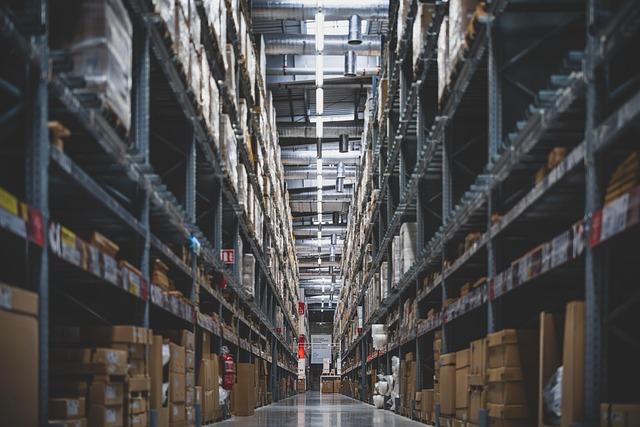
Brazilian exporters are redirecting shipments of beef and chicken to alternative markets as they navigate the disruptions caused by the ongoing conflict in Iran. The war has intensified logistical challenges and trade uncertainties, prompting Brazil-one of the world’s largest producers and suppliers of meat-to adapt its export strategies. This shift aims to mitigate potential losses and maintain Brazil’s strong presence in the global meat trade amid geopolitical tensions.
Brazilian Exporters Shift Beef and Chicken Shipments Amid Iran Conflict Disruptions
Amid escalating tensions and disruptions linked to the ongoing conflict in Iran, Brazilian exporters have swiftly adapted their logistics and shipping strategies to maintain steady supplies of beef and chicken to international markets. Companies are rerouting shipments away from traditional Middle Eastern hubs, seeking alternative pathways through Europe and Asia to mitigate risks of delays or blockades. This agile response aims to safeguard trade flows, ensuring that global consumers experience minimal impact despite the volatile regional landscape.
Key adjustments now include:
- Increased use of Mediterranean ports as entry and transit points to circumvent vulnerable routes.
- Expanded partnerships with logistical firms in Southeast Asia to diversify distribution networks.
- Enhanced real-time tracking and contingency planning to react promptly to unfolding geopolitical developments.
These strategic shifts underscore Brazil’s commitment to maintaining its position as a leading supplier of meat products, even amid growing uncertainties in critical export corridors.
Logistical Challenges and Market Adaptations in Brazil’s Meat Export Sector
Brazil’s meat exporters are navigating significant logistical hurdles as geopolitical tensions reshape traditional trade routes. The conflict involving Iran has disrupted maritime pathways, compelling companies to devise alternative strategies to maintain their foothold in key Asian and Middle Eastern markets. Shipping delays and increased freight costs have forced suppliers to recalibrate their supply chains swiftly, ensuring that the perishable nature of beef and chicken shipments does not jeopardize contract fulfillment or product quality. Port congestion and stricter customs protocols in neighboring countries also contribute to these complications, requiring exporters to enhance coordination across multiple stakeholders.
In response, exporters have adopted several adaptive measures that underscore their resilience and market agility. Among these are:
- Rerouting shipments through less congested hubs in South America and Africa to circumvent geopolitical hotspots.
- Leveraging multimodal transport combinations, integrating rail and road logistics with maritime options to optimize delivery times.
- Strengthening partnerships with local distributors in alternative markets to diversify demand and reduce dependency on traditional buyers affected by the conflict.
- Investing in cold chain enhancements to extend shelf life amid longer transit durations.
These adaptations demonstrate Brazil’s strategic commitment to sustaining its reputation as a global meat supplier despite an increasingly complex international environment.
Strategic Recommendations for Sustaining Export Flows During Geopolitical Turmoil
Amid escalating geopolitical tensions in the Middle East, Brazilian exporters have swiftly adapted their logistics to ensure the uninterrupted flow of beef and chicken shipments. Facing potential disruptions from the Iran conflict, companies are prioritizing alternative shipping routes and diversifying their transportation hubs to mitigate risks. This agile response highlights the critical importance of flexible supply chains and proactive risk assessments in maintaining global trade stability during periods of turmoil.
Key strategies being implemented include:
- Redirecting shipments through less congested ports in Latin America and Europe to avoid conflict zones.
- Engaging with new freight partners to optimize delivery schedules and reduce dependency on vulnerable corridors.
- Leveraging advanced tracking technologies to monitor cargo movements in real-time and respond promptly to disruptions.
- Strengthening diplomatic and commercial relations with alternative markets to open new export pathways.
These measures not only help Brazil’s meat exporters sustain their revenue streams but also reinforce their competitive edge in volatile global markets. Industry analysts emphasize that such strategic agility will likely become a benchmark for exporters worldwide as geopolitical uncertainties persist.
Key Takeaways
As geopolitical tensions in the Middle East continue to disrupt traditional trade routes, Brazil’s strategic redirection of beef and chicken exports highlights the resilience and adaptability of the country’s agricultural sector. By seeking alternative markets and logistic solutions, Brazilian exporters aim to mitigate the economic fallout from the Iran conflict, ensuring steady supply chains and sustaining their position in the global protein market. Analysts will be closely watching how these shifts influence international trade dynamics in the coming months.