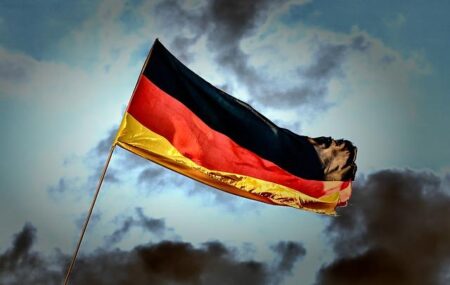

Italy has officially announced that it will not participate in any military intervention related to the escalating conflict involving Iran. In a decisive move, Rome has begun the withdrawal of its troops deployed in the region, signaling a clear stance of non-involvement amid rising tensions. This development marks a significant shift in Italy’s foreign policy approach, as the government emphasizes diplomacy and caution over direct engagement in a potentially volatile conflict zone.
Italy Declines Involvement in Iran Conflict Amid Rising Regional Tensions
Italy has taken a definitive stance amid escalating disputes in the Middle East by opting out of any direct military engagement concerning the Iranian conflict. This decision underscores Rome’s growing caution in navigating the volatile regional dynamics, emphasizing diplomatic approaches over armed intervention. Italian officials have signaled a strategic shift, prioritizing national security interests while maintaining open channels for dialogue with international partners involved in the crisis.
Key elements of Italy’s approach include:
- Immediate initiation of troop withdrawal from sensitive zones linked to the Iran conflict.
- Heightened diplomatic efforts aimed at de-escalation and conflict resolution through international organizations.
- Reinforcement of Italy’s commitment to protecting its citizens abroad without escalating military involvement.
As tensions intensify across the region, Italy’s measured response reflects a broader trend among European nations seeking to balance geopolitical responsibilities with cautious pragmatism.
Strategic Withdrawal of Italian Forces Signals Shift in Mediterranean Security Policy
Italy’s decision to begin the withdrawal of its military personnel from key Mediterranean locations marks a pivotal moment in the nation’s approach to regional security. This move, announced amidst escalating tensions involving Iran, underscores Rome’s commitment to avoiding entanglement in broader Middle Eastern conflicts. Italian officials have emphasized the importance of maintaining national interests without escalating military involvement, signaling a clear departure from previous strategies centered on active deployment and alliance-driven interventions.
Key elements of this shift include:
- Demilitarization of select Mediterranean bases to reduce frontline exposure.
- Greater emphasis on diplomatic engagement as opposed to armed intervention.
- Reallocation of defense resources towards homeland security and strategic partnerships within Europe.
Observers suggest that Italy’s recalibration may influence broader NATO dynamics and complicate coalition efforts in the region, as Rome seeks to balance its commitments with an increasingly cautious stance on military involvement abroad.
Experts Urge Diplomatic Engagement and Enhanced Regional Cooperation to Maintain Stability
Amid escalating tensions in the Middle East, global analysts emphasize the urgent need for diplomacy and regional alliances to prevent further destabilization. They highlight that military interventions often exacerbate conflicts, urging policymakers to pursue dialogue channels with Iran and neighboring states to foster mutual understanding. In this complex geopolitical landscape, experts recommend prioritizing non-military solutions to address underlying issues such as economic sanctions, territorial disputes, and political grievances.
Key strategies proposed by specialists include:
- Establishing multilateral platforms for diplomatic engagement involving key regional actors and international mediators.
- Enhancing intelligence-sharing and coordinated security measures among neighboring countries to counter extremism and smuggling.
- Investing in economic development initiatives that can reduce regional tensions by improving livelihoods and infrastructure.
These approaches underscore a consensus that sustained peace is achievable through cooperation rather than confrontation, reflecting a growing reluctance to resort to armed conflict in managing Middle Eastern affairs.
Key Takeaways
As Italy officially announces its decision not to participate in the escalating conflict involving Iran and begins the withdrawal of its deployed troops, the move signals a cautious approach amid rising tensions in the region. Rome’s stance underscores the complexities facing European nations as they navigate the delicate balance between diplomatic engagement and military involvement. Observers will be closely monitoring how Italy’s repositioning influences broader international efforts to address the unfolding crisis.