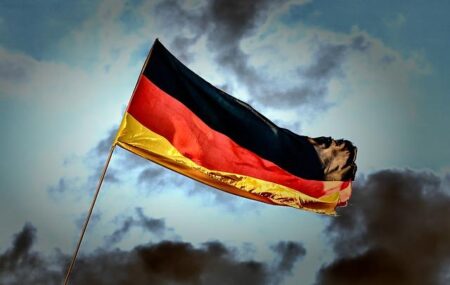
Germany, long known for its post-World War II commitment to pacifism and restrained military engagement, is now undergoing a significant transformation in its defense posture. As geopolitical tensions rise across Europe and beyond, Berlin is embarking on what many experts describe as a military reawakening-marked by increased defense spending, modernization of its armed forces, and a more assertive role within NATO and the European Union. This shift comes amid growing concerns over regional security, particularly in response to Russia’s actions in Eastern Europe and evolving threats to the continent’s stability. In this article, we explore Germany’s evolving military strategy, its implications for European security architecture, and the challenges ahead as the country balances historical caution with contemporary demands for greater defense readiness.
Germany’s Strategic Shift and Its Impact on NATO’s Eastern Flank
Germany’s recent recalibration of its defense posture marks a pivotal moment in European security dynamics. The decision to dramatically increase military spending and enhance readiness is not just a response to evolving threats but a clear signal of Berlin’s commitment to NATO’s collective defense, especially on the alliance’s vulnerable eastern front. This strategic shift aims to bolster deterrence against potential aggression, reaffirming Germany’s role as a key security guarantor in the region. Crucially, these changes come amid heightened tensions with Russia, underscoring the urgency of reinforcing NATO’s eastern flank to maintain stability in Central and Eastern Europe.
Several key elements illustrate this transformation:
- Expanded troop deployments: Germany has pledged to increase its military presence in Poland and the Baltic states, providing critical support to frontline NATO members.
- Investment in advanced capabilities: Focus on modernizing armored units, cyber defenses, and rapid response forces to counter hybrid and conventional threats.
- Enhanced cooperation: Strengthening joint exercises and intelligence sharing with neighboring NATO allies to improve operational synergy.
Collectively, these initiatives not only underscore Germany’s evolving defense strategy but also reinforce the resilience of NATO’s eastern defenses, signaling a new era of European military cooperation and preparedness.
Rebuilding Capabilities: Challenges Facing Germany’s Armed Forces Modernization
Germany’s efforts to revitalize its armed forces face a complex web of obstacles that threaten to slow progress and strain resources. Years of underinvestment have left critical gaps in equipment and personnel readiness, while bureaucratic hurdles complicate procurement processes. The challenge is compounded by rapidly evolving technological demands, requiring not only new hardware but also modernization of training and command structures. Additionally, integrating cutting-edge cyber capabilities and unmanned systems remains a priority, yet the path to achieving these goals is fraught with logistical and strategic uncertainties.
Key challenges include:
- Industrial capacity limitations: Germany’s defense industry must scale production quickly to meet NATO expectations without compromising quality.
- Resource allocation: Balancing defense spending with social and economic priorities creates political tensions.
- Workforce shortages: Recruiting and retaining skilled personnel amid demographic shifts is increasingly difficult.
- Interoperability hurdles: Aligning advanced systems with allied forces requires robust coordination and standardization.
Confronting these multifaceted issues will be essential for Germany to not only rebuild but also to redefine its role within European security architecture.
Policy Recommendations for Strengthening European Defense Cooperation
To boost the strategic autonomy of Europe, policymakers must prioritize the integration of national defense capabilities into a cohesive and interoperable framework. This requires stepping up investments in shared military technologies, harmonizing procurement processes, and expanding joint training exercises. Equally critical is the enhancement of rapid deployment forces under the EU’s Permanent Structured Cooperation (PESCO), ensuring that member states can respond swiftly and decisively to emerging threats. By fostering a culture of collaboration and resource sharing, European nations can reduce redundant expenditures and increase operational effectiveness across the continent.
Policy actions to consider include:
- Establishing a European Defense Fund with increased budget allocation to stimulate innovation in defense tech
- Streamlining command and control structures for multinational operations to break down bureaucratic barriers
- Promoting equitable burden-sharing mechanisms, ensuring smaller states have a meaningful role in collective security
- Strengthening cyber defense cooperation to protect critical infrastructure from hybrid and asymmetric threats
These recommendations not only align with Germany’s renewed military commitment but also help build a resilient European defense posture. Ultimately, a unified approach to security will serve as a bulwark against fragmentation and external adversaries, securing peace and stability for decades to come.
To Wrap It Up
As Germany embarks on this significant military reawakening, the implications for European security are profound. Balancing historical caution with contemporary threats, Berlin’s shifting defense posture signals a renewed commitment to collective stability within NATO and beyond. How Germany navigates this transformation will not only redefine its role on the continent but also shape the strategic landscape of Europe in the years to come. The world watches closely as Europe’s largest economy steps forward to meet the challenges of a rapidly evolving security environment.