
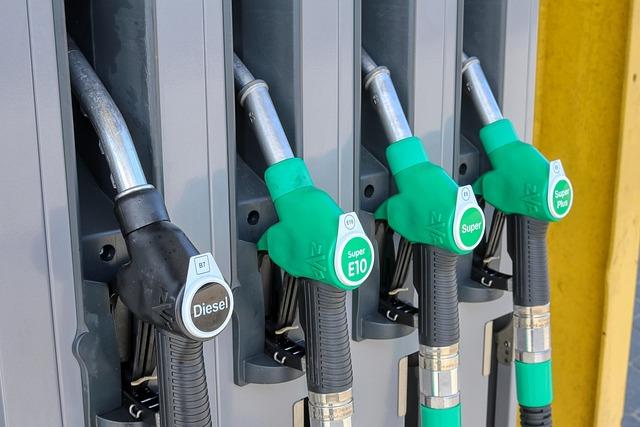
Gas prices across Canada could surge past $2 per litre as ongoing conflict involving Iran continues to disrupt global oil markets, experts warn. The protracted tensions in the Middle East are expected to tighten supply chains and drive up fuel costs, placing additional pressure on Canadian consumers already grappling with inflation. This potential increase comes amid growing concerns over the stability of international energy resources and its ripple effects on the national economy.
Gas Prices Set to Surge Across Canada Amid Prolonged Conflict in Iran
Energy analysts warn that Canadians could soon see gas prices exceeding $2 per litre as ongoing turmoil in Iran continues to disrupt global oil markets. The conflict has tightened supply chains and intensified worries over crude availability, pushing wholesale prices higher. According to industry experts, the geopolitical instability is expected to extend for months, creating sustained upward pressure on fuel costs nationwide.
Market watchers highlight several key factors contributing to the impending rise:
- Supply chain interruptions: Shipping routes through the Strait of Hormuz remain volatile, impacting approximately 20% of the world’s oil supply.
- Increased risk premiums: Investors are factoring in higher risks associated with Middle Eastern crude sources, inflating commodity prices.
- Weakened Canadian dollar: A softer loonie exacerbates the cost of imported oil, affecting pump prices directly.
Consumers are urged to brace for higher expenses at the pump, while governments face growing pressure to seek alternative energy solutions and mitigate economic fallout.
Impact on Canadian Consumers and Regional Economies Explored
With gas prices projected to soar beyond the $2 per litre mark, Canadian households are facing a steep increase in daily expenses. The surge threatens to hit lower and middle-income families the hardest, as transportation costs rise sharply and disposable income tightens. Commuters reliant on personal vehicles may have to rethink their travel habits or bear the financial strain, while consumers could see the ripple effect in the form of higher prices on goods and services across the board.
Regional economies, particularly those in provinces heavily dependent on transportation and tourism, are bracing for potential setbacks. Industries such as trucking, agriculture, and retail could experience inflated operational costs, forcing some businesses to pass those expenses along to customers or risk reduced profitability. Experts warn that the growing disparity in fuel costs between urban centers and remote communities might deepen economic divides, with smaller towns feeling the pinch more acutely due to limited alternatives and fewer resources.
- Increased household spending on fuel may reduce discretionary buying power.
- Local businesses dependent on logistics could face supply chain disruptions.
- Tourism hubs might see a decline in visitor numbers as travel costs climb.
Experts Urge Strategic Measures to Mitigate Fuel Cost Increases
Industry analysts and energy experts are calling for immediate and well-coordinated actions to address the looming surge in fuel prices expected across Canada. With geopolitical tensions in the Middle East showing no sign of abating, specialists emphasize the necessity of diversifying fuel supply sources and enhancing domestic production capabilities. They stress the urgency of investing in alternative energy infrastructure to reduce dependency on volatile international oil markets. Governments and private sectors alike are urged to collaborate on long-term strategies that can cushion consumers from unpredictable price spikes.
Recommended strategic measures include:
- Increasing investment in renewable and low-carbon energy alternatives to create resilient supply chains.
- Implementing fuel subsidies or temporary tax reductions to alleviate immediate financial burdens on average consumers.
- Enhancing fuel efficiency standards for vehicles and promoting public transportation initiatives.
- Establishing strategic reserves to stabilize supply during periods of geopolitical unrest.
- Encouraging cross-border energy trade agreements to diversify risk and stabilize prices.
Experts warn that without prompt, decisive action, the economic repercussions could ripple through various sectors, impacting everything from transportation costs to food prices. The consensus remains clear: proactive policy frameworks and adaptive market responses are critical to safeguarding Canada’s energy future in an increasingly uncertain global landscape.
To Wrap It Up
As the conflict involving Iran continues to unsettle global oil markets, Canadians may soon face higher fuel costs at the pump, potentially exceeding $2 per litre nationwide. Experts warn that prolonged instability in the region could keep prices elevated, underscoring the ongoing vulnerability of Canada’s fuel supply to international geopolitical tensions. Consumers and policymakers alike will be watching closely as developments unfold, with economic impacts likely to reverberate across the country in the coming months.