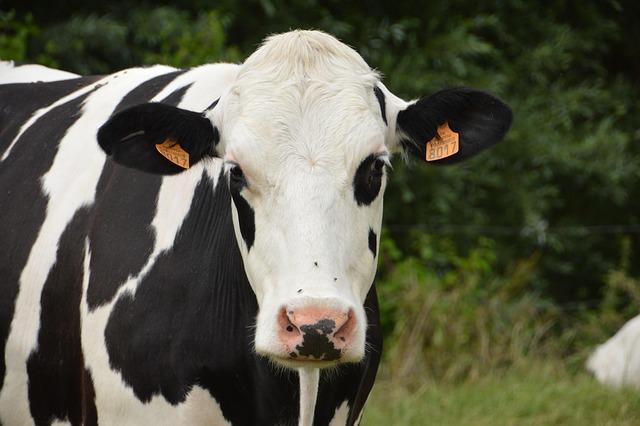
Students from The Pennsylvania State University’s College of Agricultural Sciences recently embarked on an immersive study tour to Brazil, delving into the country’s expansive beef production industry. This hands-on experience provided participants with a unique opportunity to explore advanced livestock management practices, sustainable agriculture techniques, and the economic dynamics of one of the world’s largest beef exporters. The trip highlights Penn State’s commitment to offering students real-world insights into global agricultural systems, preparing the next generation of leaders in food and animal sciences.
College of Agricultural Sciences Students Gain Hands-On Experience in Brazilian Beef Production
During an immersive field study in Brazil’s vibrant agricultural heartland, students from the College of Agricultural Sciences delved into the complexities of beef production at some of the country’s most innovative ranches. Participants observed firsthand the integration of sustainable grazing practices with modern animal husbandry techniques, gaining invaluable insights into herd management, pasture rotation, and environmental stewardship. This experience equipped students with a broader understanding of global beef supply chains and the challenges faced by producers in diverse climatic and economic conditions.
Highlights from the trip included:
- Visits to large-scale, family-owned cattle operations emphasizing sustainability and animal welfare
- Workshops on Brazilian genetic selection strategies to improve beef quality and yield
- Engagements with local agricultural scientists focused on biodiversity and ecosystem conservation
- Hands-on participation in daily ranch activities, from herding to soil health assessments
Through this experiential learning opportunity, students not only enhanced their technical skills but also fostered a global perspective critical for future leaders in agricultural sciences.
Sustainable Practices and Technological Innovations Observed in Brazil’s Cattle Industry
During their visit to Brazil, students from the College of Agricultural Sciences witnessed firsthand the integration of sustainable practices within the country’s cattle industry. Producers are increasingly adopting rotational grazing systems that enhance pasture health while reducing soil erosion and methane emissions. The emphasis on native forage species supports biodiversity and improves feed efficiency, contributing to a lower environmental footprint. Additionally, water conservation techniques, such as solar-powered irrigation and strategic water trough placement, demonstrated Brazil’s commitment to preserving natural resources amid expanding beef production.
Technological innovations are also playing a pivotal role in transforming Brazil’s cattle operations. Students observed the use of precision agriculture tools, including GPS-enabled tracking for herd management and drone surveillance to monitor pasture conditions. The implementation of data-driven decision-making platforms allows producers to optimize feed, health interventions, and breeding schedules, ultimately enhancing productivity while maintaining sustainability standards. These advanced methods, combined with sustainable land management, position Brazil as a global leader in responsible beef production practices.
Recommendations for Enhancing Pennsylvania’s Beef Sector Based on Brazilian Models
Drawing inspiration from Brazil’s innovative beef production strategies, experts recommend Pennsylvania’s beef industry prioritize sustainable pasture management and improve genetic selection practices. Emphasizing rotational grazing and the integration of forage species adapted to local climates can enhance soil health and increase pasture productivity. Additionally, investing in advanced reproductive technologies, such as artificial insemination and embryo transfer-methods widely adopted in Brazil-could accelerate herd improvement and boost overall beef quality.
To further align with successful Brazilian models, collaboration between producers and research institutions should be strengthened through knowledge-sharing platforms and extension services. Key recommendations include:
- Expanding training programs for local farmers on modern beef production techniques.
- Increasing access to market information to improve pricing strategies and product differentiation.
- Encouraging public-private partnerships to fund innovation and infrastructure development.
- Promoting environmental certification programs that could open doors to premium markets.
By adapting these Brazilian practices thoughtfully, Pennsylvania’s beef sector can enhance its competitiveness, sustainability, and resilience in the evolving agricultural landscape.
Wrapping Up
As these Pennsylvania State University students conclude their immersive exploration of beef production in Brazil, their firsthand experiences underscore the global nature of modern agriculture. By engaging directly with Brazilian producers and learning about innovative practices and challenges within one of the world’s largest beef industries, the College of Agricultural Sciences is equipping its future leaders with a broadened perspective essential for advancing sustainable and efficient food systems. This international exchange not only enriches their academic journey but also fosters the cross-cultural understanding vital for addressing the complexities of global agriculture in the years to come.