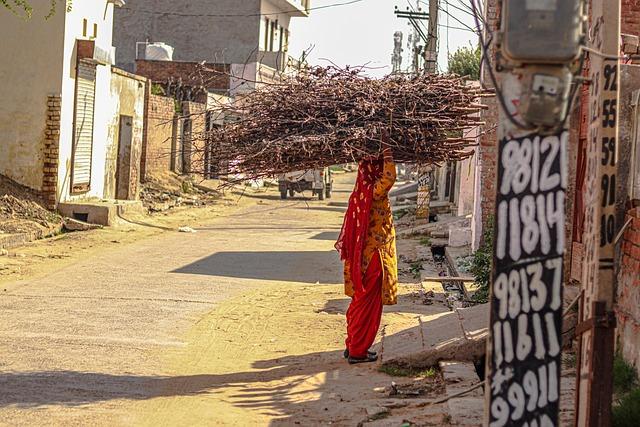
A severe shortage of cooking gas is forcing thousands of Indian migrant workers to abandon urban centers and return to their home villages, sparking concern over a growing humanitarian crisis. As supply disruptions and price hikes deepen across major cities, many workers-already grappling with economic uncertainty-are struggling to meet basic household needs. The BBC investigates the impact of these shortages on some of the country’s most vulnerable populations and the broader implications for urban livelihoods in India.
Indian Migrant Workers Struggle Amid Cooking Gas Scarcity in Urban Centers
The ongoing scarcity of cooking gas in major urban hubs has placed immense hardship on India’s migrant labor force. Often residing in cramped and temporary accommodations, these workers find themselves grappling with unpredictable fuel supplies for their daily meals. Many have resorted to unsafe alternatives such as wood fires or kerosene, which pose health hazards and risk to their already precarious living conditions. The shortage has also disrupted the routine of small eateries and food stalls run by migrants, leading to a sharp decline in income and food availability.
As the crisis deepens, a significant number of migrant workers are choosing to leave the cities altogether, seeking familiarity and sustenance in their native villages. Key factors influencing this migration include:
- Unaffordable LPG prices, exacerbated by supply constraints.
- Lack of access to subsidized gas connections in urban areas.
- Employment disruptions due to lockdowns and economic slowdowns.
- Inadequate government intervention in addressing urban fuel shortages.
This reverse movement not only impacts urban economies dependent on migrant labor but also places additional pressure on rural infrastructure and resources.
Economic Impact of Gas Shortages Drives Mass Exodus from Cities
The prolonged scarcity of cooking gas has sent shockwaves through urban centers across India, triggering a significant migration of workers back to their rural hometowns. With fuel prices soaring and supply lines disrupted, daily life for many has become untenable, forcing families to reconsider their city livelihoods. The immediate economic consequences are reflected in shrinking local economies as small businesses and informal sectors face dwindling demand due to the exodus of their clientele.
Experts highlight several critical effects stemming from this crisis:
- Loss of urban labor: Industries relying on migrant workers encounter labor shortages impacting productivity and service delivery.
- Rising household expenses: Families grapple with increased costs not only for fuel but also for alternative cooking methods.
- Social strain: The migration puts pressure on rural infrastructure and resources, as returning workers seek housing and employment opportunities.
Policy Recommendations to Stabilize Fuel Supply and Support Vulnerable Laborers
To address the escalating challenges posed by cooking gas shortages, a multi-pronged policy approach is essential. Enhancing supply chain logistics through real-time monitoring systems can prevent artificial scarcities and ensure equitable distribution across urban centers. Additionally, the government must consider temporary subsidies or price controls on LPG to shield vulnerable populations from sudden price surges. Strengthening partnerships with private sector distributors may also streamline delivery mechanisms, preventing bottlenecks and fostering transparency.
Equally critical is the need to provide direct support for migrant laborers who bear the brunt of these shortages. Policymakers should implement targeted cash transfers or ration card expansions so that vulnerable workers can access essential fuel supplies affordably. Moreover, setting up community kitchens or fuel-sharing initiatives in collaboration with local organizations could alleviate daily cooking challenges and reduce the push factors prompting migrants to abandon their urban livelihoods. Such integrated interventions would not only stabilize fuel access but also safeguard the socioeconomic dignity of millions dependent on these resources.
In Summary
As the cooking gas shortages persist, the plight of Indian migrant workers underscores the deepening challenges faced by urban laborers amid supply disruptions. With many compelled to leave cities in search of stability and basic necessities, the situation highlights urgent concerns about the resilience of urban infrastructure and social support systems. Policymakers and stakeholders must address these shortages swiftly to prevent further disruption to livelihoods and urban economies across India.