
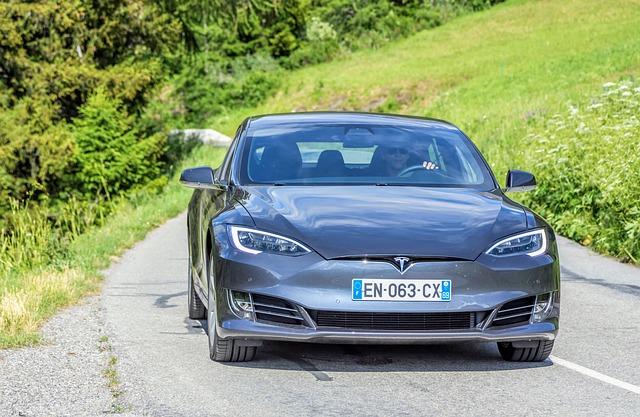
Tesla registrations in Germany saw a remarkable surge in March, quadrupling compared to the previous month, according to data released by the Federal Motor Transport Authority (Kraftfahrt-Bundesamt, KBA). This sharp increase highlights the growing demand for electric vehicles in one of Europe’s largest automotive markets, underscoring Tesla’s expanding footprint amid intensified competition and evolving consumer preferences. The figures come as Germany accelerates its transition towards sustainable mobility, supported by government incentives and infrastructural developments.
Tesla Registrations Surge in Germany Reflect Growing Consumer Demand
Tesla’s foothold in the German automotive market has experienced a remarkable boost, as recent figures from the Kraftfahrt-Bundesamt (KBA) revealed a fourfold increase in vehicle registrations during March. This surge underscores a significant shift in consumer interest, driven by growing enthusiasm for electric mobility and Tesla’s expanding presence across the region. Analysts attribute the spike to a combination of factors, including enhanced government incentives for electric vehicles, the launch of new Tesla models tailored to European preferences, and an expanded network of charging infrastructure making EV adoption more convenient.
The data reflects broader trends reshaping Germany’s car market, as buyers become increasingly conscious of environmental impact and total cost of ownership. Key elements influencing this momentum include:
- Improved battery performance and extended driving ranges in Tesla vehicles
- Competitive pricing relative to traditional internal combustion engine cars
- Enhanced availability through local production facilities and optimized delivery timelines
These developments suggest that Tesla is not only capturing attention but is also successfully converting interest into registrations, signaling a promising trajectory in one of Europe’s most critical automotive hubs.
Factors Driving Tesla’s Market Expansion in the German Automotive Landscape
Several key elements have catalyzed Tesla’s rapid market penetration in Germany, reflecting a broader shift within the country’s highly competitive automotive sector. Among the most significant drivers is Tesla’s aggressive expansion of its Supercharger network, which has enhanced accessibility for electric vehicle (EV) owners across the country. Additionally, the introduction of price adjustments and localized manufacturing efforts, particularly with the opening of Gigafactory Berlin, have allowed Tesla to reduce costs and streamline deliveries, making its vehicles more appealing to German consumers. These factors combined have strengthened Tesla’s position against traditional automakers that are still ramping up their EV portfolios.
Government incentives and shifting consumer preferences also play a crucial role. Germany’s push for greener mobility through subsidies, tax exemptions, and stricter emissions regulations has created a fertile environment for EV adoption. Consumers are increasingly drawn to Tesla’s innovative technology and reputation for long-range batteries and over-the-air updates. Key contributors to Tesla’s market surge include:
- Enhanced charging infrastructure nationwide
- Competitive pricing strategies tied to local production
- Strategic marketing emphasizing sustainability
- Legislative support for emission-free vehicles
These elements together underscore Tesla’s growing influence in reshaping Germany’s automotive landscape and accelerating the country’s transition to electric mobility.
Strategies for Competitors to Navigate the Rising Electric Vehicle Trend
As Tesla’s registrations in Germany skyrocket, competitors must pivot swiftly to remain relevant in an increasingly electrified market. Embracing innovation in battery technology and investing in scalable production capabilities are crucial steps. Companies should also focus on developing a diverse portfolio of electric vehicles (EVs) that cater to varying consumer needs, from affordable compact cars to luxury models. Enhanced R&D efforts aimed at improving driving range and reducing charging times can offer a competitive edge in meeting customer expectations.
Beyond product development, automakers must strengthen their charging infrastructure networks, collaborating with governments and private enterprises to ensure accessibility and convenience. Additionally, fostering brand loyalty through compelling marketing strategies that highlight sustainability and technological superiority will be vital. Key approaches include:
- Strategic partnerships for battery supply and recycling
- Investment in AI and autonomous driving features
- Leveraging data analytics to tailor customer experiences
- Enhancing after-sales service and support for EV owners
Insights and Conclusions
The significant surge in Tesla registrations underscores the growing demand for electric vehicles in Germany and highlights the continued shift towards sustainable mobility. As the market evolves, industry analysts will be closely watching whether this momentum can be sustained in the coming months. The Federal Motor Transport Authority’s latest figures provide a clear indication that Tesla’s presence in Germany is strengthening, reflecting broader trends in the country’s automotive landscape.