
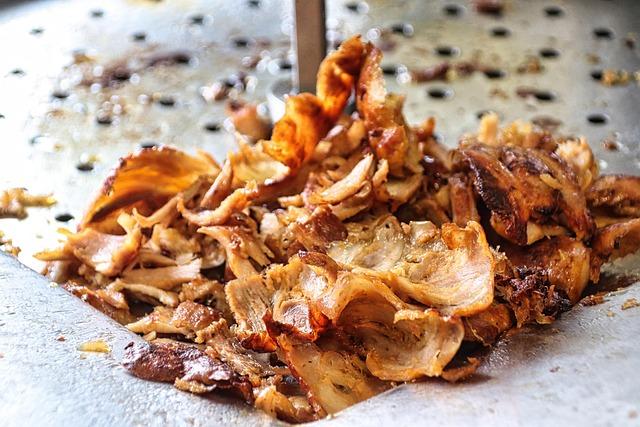
Germany’s bustling urban centers are defined not only by their rich history and vibrant culture but also by a beloved culinary staple: the Döner Kebab. Originating from Turkish immigrants, the Döner has firmly established itself as Germany’s favourite street food, enjoyed by millions daily. This article explores the Döner’s journey from a niche immigrant snack to a nationwide phenomenon, delving into its cultural significance, evolving varieties, and the role it plays in Germany’s diverse food landscape.
Germany’s Döner Delight Origins and Evolution of the Beloved Street Food
Originating from the traditional Turkish döner kebab, this iconic street food found its new home in Germany during the 1970s, when Turkish immigrants introduced the savory concept to Berlin’s bustling streets. What began as a simple adaptation-a vertical rotisserie grilling marinated meat-quickly evolved into a culinary phenomenon that resonated with a diverse and growing urban population. By the 1980s, the döner had established itself not just as a late-night snack but as a staple meal for many, combining affordability with bold flavors and customizable fillings. The döner’s rise mirrors Germany’s changing social fabric, embodying the fusion of immigrant influences and local tastes.
Today, the döner stands as a symbol of multicultural integration and culinary innovation in Germany. Modern döner shops often feature a variety of fillings beyond the traditional lamb or beef, including chicken, vegan alternatives, and even gourmet twists with unique sauces and artisanal breads. Key elements that define this beloved street food include:
- Freshly grilled meat sliced thinly from a rotating skewer
- Fluffy, warm flatbread typically a türlü pita or lahmacun
- Colorful accompaniments like shredded lettuce, tomatoes, onions, and purple cabbage
- Diverse sauces ranging from garlicky yogurt to spicy chili or herbaceous mint
Together, these elements create a harmonious flavor profile that continues to captivate locals and tourists alike, ensuring that the döner remains embedded in Germany’s street food culture for generations to come.
Inside the Döner: Ingredients, Preparation, and Regional Variations
The Döner kebab is a harmonious blend of carefully selected ingredients that come together to create its iconic taste. The core of the Döner is the meat-typically seasoned lamb, chicken, or veal-slowly cooked on a vertical rotisserie, allowing the juices to mingle perfectly while achieving a crispy exterior. Alongside the meat, fresh vegetables like crisp lettuce, ripe tomatoes, red onions, and tangy cucumbers add a refreshing crunch. The final touch comes from a variety of sauces, ranging from creamy garlic to spicy chili or yogurt-based dressings, each contributing its unique flair. Wrapped traditionally in warm, fluffy flatbread or served as a sandwich, the Döner is a showcase of balanced textures and bold flavors.
While the classic Döner recipe has its origins in Turkish cuisine, Germany has transformed it through numerous regional adaptations. In Berlin, the Döner typically includes a generous portion of salad and a signature garlic sauce, while in southern regions, you might find variations with feta cheese or even different meat marinades. Some places experiment with vegan alternatives, using spiced soy or seitan to accommodate evolving dietary preferences. This dynamic evolution highlights not only the Döner’s versatility but also its role as a cultural symbol, adapting to local tastes while retaining its authentic roots.
- Core ingredients: seasoned meat, fresh vegetables, diverse sauces, flatbread
- Preparation method: vertical rotisserie cooking
- Regional twists: Berlin’s garlic sauce, southern feta additions, vegan Döner options
Where to Find the Best Döner in Germany Expert Tips and Local Favorites
When it comes to savoring an authentic döner, Berlin remains the undisputed capital. Here, streets are dotted with countless döner shops, each promising a unique twist on this iconic dish. For the most genuine experience, locals recommend venturing beyond the tourist-heavy areas to neighborhoods like Kreuzberg and Neukölln, where family-run stands have perfected their recipes over decades. Notable spots such as Mustafa’s Gemüse Kebap have gained cult status, but true experts advise exploring lesser-known vendors where fresh, homemade sauces and perfectly grilled meat steal the show.
Outside Berlin, cities like Hamburg, Frankfurt, and Cologne also boast thriving döner cultures with their own local favorites. Hamburg’s Karolinenviertel is a hotspot for creative döner variations, incorporating regional flavors, while Frankfurt’s vibrant multicultural scene introduces inventive veggie and vegan options. Regardless of where you go, keep an eye out for places that use traditional methods-such as vertical spit grilling and fresh bread baking on-site. Local insiders suggest:
- Choosing vendors with visibly fresh ingredients and homemade sauces
- Opting for dürüm wraps to fully experience the blend of textures
- Trying complementary sides like spicy pickles or ayran (a tangy yogurt drink)
Key Takeaways
As Döner continues to command a significant presence on Germany’s streets, it remains more than just a meal-it is a culinary symbol of cultural integration and urban vibrancy. From its humble origins to becoming a national favorite, the Döner encapsulates the dynamic fusion of tradition and modernity. Whether enjoyed as a quick snack or a hearty dinner, this iconic street food tells a broader story about Germany’s evolving identity and the shared tastes that unite its diverse population.