
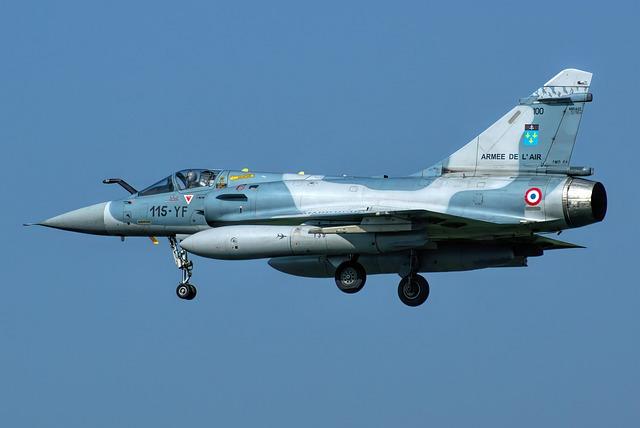
India has placed a significant order for 114 Dassault Rafale fighter jets, reinforcing its commitment to modernizing its air force amid growing regional security challenges. However, the acquisition faces a critical hurdle as France has declined to provide access to the source code of the Rafale’s advanced avionics and weapon systems. This refusal underscores ongoing tensions over technology transfer and operational autonomy, raising questions about India’s ability to fully integrate and customize the jets to its strategic requirements. The standoff highlights broader complexities in defense collaborations between the two countries and the challenges inherent in procuring cutting-edge military technology.
India’s Ambitious Rafale Expansion Faces Hurdles Over Source Code Access
India’s plan to bolster its air defense with 114 additional Dassault Rafale fighter jets has encountered a significant roadblock rooted in intellectual property concerns. The French government, protective of critical military technologies, has reportedly refused to grant India access to the Rafale’s source code. This software forms the backbone of the aircraft’s avionics, weapons systems, and cybersecurity protocols, making it a highly guarded asset. Without this access, India faces challenges in customizing and potentially upgrading the fighters to meet its unique operational requirements and future threats.
Experts highlight several ramifications of this impasse:
- Limited Indigenous Modifications: India’s ambitions for self-reliance in defense manufacturing may be constrained, as developers require source code access for deeper integration with domestic systems.
- Operational Dependency: Continued dependence on French support for software updates and troubleshooting could affect the fleet’s long-term sustainability.
- Delay in Deployment: Negotiations and technical workarounds may slow down the aircraft’s full operational capability, impacting strategic timelines.
As New Delhi weighs its options, the standoff underscores the broader challenges nations face in balancing sovereign defense capabilities with international technology sharing frameworks.
France’s Security Concerns Limit Technology Transfer in Fighter Jet Deal
France’s insistence on safeguarding its cutting-edge defense technologies is a decisive factor in shaping the terms of the Rafale fighter jet deal with India. Despite India’s ambition to acquire 114 units, Paris remains firm on not transferring the aircraft’s sensitive source code. This constraint reflects longstanding concerns over the potential risks of technology proliferation and unauthorized access, especially given the strategic nature of fighter jet systems. French authorities emphasize that sharing the software core could compromise national and allied security, as the Rafale’s avionics and combat capabilities represent crucial technological assets developed over decades.
Key points driving France’s position include:
- Protection of Intellectual Property: The Rafale’s source code embodies proprietary innovations vital to Dassault Aviation’s competitive edge.
- Strategic Security Risks: Transferring software risks exposing vulnerabilities to hostile actors or unauthorized third parties.
- Alliance Commitments: France’s obligation to uphold NATO-related security standards influences export controls on advanced military technology.
While India seeks deeper technology transfer to boost its domestic defense production capabilities, France’s restrictive stance underscores the complex interplay between international defense collaboration and national security imperatives.
Strategic Pathways for India to Secure Critical Software Access and Maintain Air Superiority
India’s ambition to operate 114 Dassault Rafale fighters faces a critical hurdle involving access to the aircraft’s source code-a vital component for software customization, maintenance, and long-term operational sovereignty. As France remains firm on withholding the source code, New Delhi is compelled to explore alternative strategic avenues to safeguard its air superiority. This situation underscores the broader challenges India faces in modernizing its air force amid complex technology transfer dynamics and geopolitical sensitivities.
To mitigate risks associated with limited software access, India is focusing on a multifaceted approach that includes:
- Indigenous development: Accelerating domestic efforts to produce critical avionics and software systems through programs led by DRDO and HAL.
- International partnerships: Diversifying procurement strategies by engaging with multiple global suppliers to reduce dependence on any single nation or technology.
- Enhanced cybersecurity measures: Investing heavily in cyber defense to protect software integrity and ensure resilience against potential vulnerabilities.
- Negotiated offsets: Pushing for deeper technology transfers and joint ventures within the Rafale deal framework.
These pathways are essential for ensuring that India not only modernizes its fleet but also achieves strategic autonomy-a critical factor in Asia’s evolving security landscape.
In Summary
As India moves forward with its ambitious plan to acquire 114 Dassault Rafale fighter jets, the ongoing impasse over access to the aircraft’s source code continues to underscore the complexities of international defense procurement. France’s firm stance on protecting its sensitive technology highlights the delicate balance between national security interests and the strategic partnership between the two nations. How this issue will be resolved remains to be seen, but it undoubtedly will play a crucial role in shaping the future of India’s air combat capabilities and Franco-Indian defense cooperation in the years ahead.