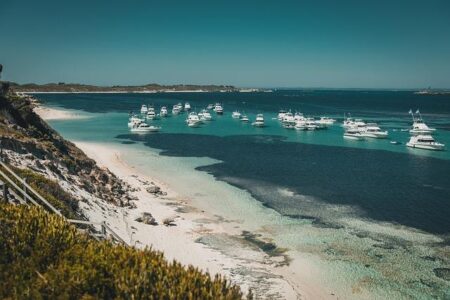

Stradbroke Island, located off the coast of Queensland, Australia, is gaining attention for its remarkable biodiversity and unique marine ecosystems, prompting comparisons to the renowned Galápagos Islands. Known locally as “Straddie,” the island boasts an array of endemic species, pristine coral reefs, and diverse habitats that have intrigued scientists and conservationists alike. This article explores whether Stradbroke Island truly stands as Australia’s counterpart to the Galápagos, examining its ecological significance, conservation efforts, and the challenges it faces amid increasing tourism and climate change.
Stradbroke Island’s Unique Marine Biodiversity Compared to the Galápagos
Stradbroke Island boasts a vibrant marine ecosystem that rivals the ecological richness famously associated with the Galápagos. While the Galápagos is renowned for its endemic species shaped by volcanic isolation, Stradbroke’s marine biodiversity owes its distinction to the unique confluence of warm tropical currents and temperate waters of the Pacific. This dynamic interaction fosters habitats ranging from coral reefs and sandy seagrass beds to rocky shorelines, creating a haven for a multitude of marine creatures. Among these are the colourful clownfish, giant wrasses, and the elusive pyjama sharks, species that while not globally endemic, display remarkable adaptations to their specific environment.
In comparison to the Galápagos, Stradbroke Island may not host as many exclusive species, but its ecological significance lies in the diversity and health of its populations, serving as a crucial nursery for various marine life. Key highlights include:
- Thriving coral formations that support over 300 fish species.
- Seasonal visits by migratory marine mammals such as humpback whales.
- Crucial breeding grounds for sea turtles, including the loggerhead and green turtle.
- Rich seagrass habitats vital for dugongs and juvenile fish species.
This mosaic of life underscores Stradbroke Island not just as a scenic getaway but as a vital marine reservoir with ecological importance comparable to the famed Galápagos, continuing to intrigue scientists and conservationists alike.
How Conservation Efforts Are Preserving Stradbroke’s Ecosystems
Stradbroke Island’s unique biodiversity has become the focus of numerous conservation initiatives aimed at protecting its delicate ecosystems from the growing threats of climate change, habitat loss, and human interference. Local authorities and environmental groups have joined forces to implement stringent measures such as invasive species control, habitat restoration projects, and sustainable tourism practices. These efforts not only safeguard native flora and fauna but also empower the community through education and volunteer programs, fostering a collective responsibility toward the island’s natural heritage.
Key strategies driving these successes include:
- Protected areas designation: Expanding national park boundaries and marine reserves to limit destructive activities
- Reforestation campaigns: Planting indigenous trees to combat erosion and provide habitat continuity
- Monitoring programs: Employing cutting-edge technology and citizen science to track wildlife populations and health
- Community engagement: Workshops and awareness campaigns to promote eco-friendly visitor behavior
As a result, Stradbroke Island is gradually becoming a model for ecosystem preservation in Australia, echoing the ecological significance of other world-renowned conservation sites.
Recommendations for Responsible Tourism and Sustainable Exploration on Stradbroke Island
To preserve the unique ecosystems found on Stradbroke Island, visitors are urged to adopt practices that minimize environmental impact. Avoid disturbing native wildlife by keeping a safe distance and refraining from feeding animals, which can disrupt natural behaviors. Respect marked trails and designated areas to prevent habitat degradation, and always carry out any waste to maintain the island’s pristine condition. Utilizing eco-friendly products such as reef-safe sunscreens and reducing single-use plastics further helps protect marine and terrestrial life.
Engaging with the local community and Indigenous custodians fosters a deeper appreciation of the island’s cultural and ecological significance. Consider supporting sustainable tourism operators who prioritize conservation and educate visitors on responsible exploration. By committing to these mindful behaviors, travelers ensure that Stradbroke Island remains a sanctuary for biodiversity-earning it its reputation as Australia’s natural treasure akin to the Galápagos.
To Conclude
In conclusion, while Stradbroke Island may not boast the same level of endemic species or evolutionary significance as the Galápagos Islands, it remains a unique and vital marine ecosystem within Australia. Its rich biodiversity, dynamic habitats, and ongoing conservation efforts highlight its importance on both a regional and national scale. As scientific research and environmental awareness continue to grow, Stradbroke Island stands as a compelling example of Australia’s commitment to preserving its natural heritage-offering insights and opportunities that resonate well beyond its shores.