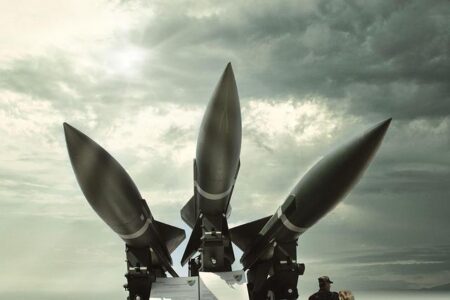

In the escalating tensions surrounding the conflict in the Middle East, global powers are watching closely as diplomatic efforts unfold-or falter. Unlike Western nations pressing Iran to comply with U.S. demands to cease hostilities, China has taken a notably restrained stance, refraining from pushing Tehran toward immediate concessions. This editorial shift highlights Beijing’s strategic calculations amid competing geopolitical interests and its broader vision for regional stability. As detailed in a recent report by The New York Times, understanding why China resists American pressure on Iran sheds light on the complex interplay of international diplomacy, economic partnerships, and power dynamics shaping the current crisis.
China’s Strategic Interests Shape Its Stance on Iran and U.S. Demands
China’s approach to Iran amid escalating tensions is deeply rooted in its broader geopolitical and economic strategies. Beijing views Iran not simply as a regional actor but as a crucial partner in its Belt and Road Initiative, aiming to expand influence across Asia and the Middle East. By maintaining a cautious but supportive stance toward Tehran, China secures essential energy resources and bolsters its position against U.S. dominance in global affairs. This calculated neutrality enables China to avoid antagonizing Iran, preserving a vital alliance that counters American pressure without compromising its own strategic priorities.
Furthermore, China’s response to U.S. demands is shaped by several key considerations:
- Economic Interdependence: Iran’s oil exports and infrastructure projects are integral to China’s long-term economic plans.
- Regional Stability: China aims to prevent further instability in a region critical to its trade routes and energy security.
- Diplomatic Leverage: Supporting Iran offers Beijing a bargaining chip in negotiations with Washington.
These factors create a complex dynamic where China’s strategic interests align more closely with preserving Iran’s autonomy rather than pressuring it into concessions demanded by the United States.
Economic and Geopolitical Calculations Underpin Beijing’s Reluctance to Pressure Tehran
China’s cautious stance towards Iran is deeply rooted in a blend of economic interests and strategic geopolitical calculations. Beijing values Iran as a critical energy supplier, especially amid ongoing global tensions that have disrupted traditional energy markets. By maintaining a stable relationship without overtly pressuring Tehran to comply with U.S. demands, China ensures uninterrupted access to vital oil supplies, which are pivotal for sustaining its sprawling industrial base. Additionally, Iran serves as a key partner in China’s Belt and Road Initiative, offering strategic connectivity through land and sea routes that enhance Beijing’s influence across Central Asia and the Middle East.
Beyond economics, China’s geopolitical objectives emphasize balancing Western dominance and expanding its own regional footprint. Pressuring Iran risks alienating a longstanding ally at a time when Washington seeks to isolate Tehran. Consequently, Beijing opts for a calculated approach, leveraging its diplomatic weight to keep channels open without engaging in direct confrontations. This delicate diplomacy is underscored by a few key factors:
- Strategic alignment: Mutual interest in countering U.S. influence garners implicit cooperation.
- Regional stability concerns: Avoiding escalation preserves peace vital to China’s broader economic corridors.
- Energy security: Reliable oil flow underpins China’s continued growth in a volatile global market.
Experts Recommend Diplomatic Engagements Tailored to China-Iran-Russia Dynamics
In navigating the intricate geopolitical web involving China, Iran, and Russia, experts emphasize the critical importance of diplomatic strategies that are meticulously tailored to the unique interests and alliances of each actor. Unlike a one-size-fits-all approach, leveraging nuanced understanding of these relationships can foster dialogue that transcends traditional power plays. Analysts point out that China’s reluctance to pressure Iran into accepting U.S. demands stems from its broader strategic calculations, which prioritize sustained regional influence and economic partnerships over immediate conflict resolution.
Key considerations highlighted by experts include:
- China’s strategic partnership with Iran as a cornerstone of its Belt and Road Initiative, which complicates direct diplomatic pressure aligned with Western demands.
- Russia’s concurrent role as a geopolitical counterbalance, often supporting Tehran’s stance to counter U.S. hegemony.
- The necessity for the U.S. and its allies to develop multi-layered engagement frameworks that account for these overlapping yet distinct priorities.
By adopting tailored diplomatic engagements that respect the triangular dynamics, policymakers may unlock new pathways to de-escalation and facilitate more constructive dialogues in a region fraught with competing interests and longstanding mistrust.
In Summary
As the conflict continues to unfold, China’s reluctance to press Iran to accept U.S. demands underscores the complexities of regional alliances and global strategic interests. With Beijing prioritizing its own geopolitical objectives over Washington’s diplomatic efforts, the prospect of a swift resolution remains uncertain. Observers will be watching closely to see how China’s stance shapes the trajectory of the conflict and the broader balance of power in the Middle East.