
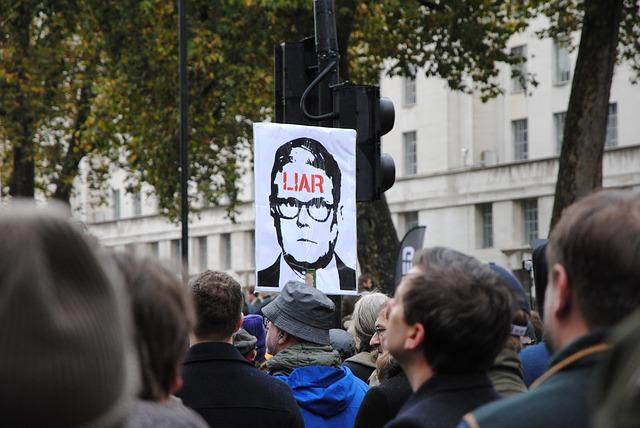
Keir Starmer’s tenure as leader of the Labour Party faces mounting scrutiny as critics highlight a glaring leadership vacuum that threatens to undermine his position. In an era demanding decisive vision and proactive engagement, Starmer’s apparent inability to assert strong, unifying leadership risks alienating key supporters and weakening the party’s prospects. As internal tensions simmer and public confidence wavers, the question looms: can Starmer overcome this fatal flaw before it costs him his leadership? This article delves into the challenges confronting the Labour leader and the political consequences of his perceived inertia.
Keir Starmer’s Leadership Void Deepens Labour’s Internal Struggles
Labour’s internal discord has accelerated amid growing concerns over the absence of decisive leadership from Keir Starmer. Party insiders report a pervasive sense of uncertainty compounded by a lack of clear strategic direction, which has left senior figures increasingly frustrated and the rank-and-file members questioning the path forward. This leadership void has not only stalled policy momentum but also emboldened factions within the party, leading to public spats and a fracture in unity just as the next general election looms.
Analysts highlight several critical challenges exacerbated by the leadership vacuum:
- Fragmented messaging diluting Labour’s political identity on key issues such as the economy and social justice.
- Weakened grassroots engagement as local activists feel sidelined and demoralized.
- Growing influence of rival voices within the party that question Starmer’s capacity to unify and inspire.
As opposition momentum builds, the pressure mounts on Starmer to reestablish control, but navigating the entrenched divides without a compelling vision remains a daunting task. Observers caution that unless he remedies this leadership deficit swiftly, Labour risks further erosion of influence and credibility on the national stage.
Strategic Missteps Undermine Starmer’s Vision for Party Renewal
Keir Starmer’s attempts to revitalize the Labour Party have been hampered by a series of strategic errors, casting doubt on the feasibility of his renewal agenda. Despite a rhetoric focused on unity and modernisation, internal party dissent and unclear policy direction have muddied the waters. Key miscalculations include underestimating the resilience of entrenched factions and failing to articulate a compelling vision that resonates beyond the party’s traditional base. This growing disconnect has emboldened critics who argue that Starmer’s leadership lacks both decisiveness and the charisma necessary to galvanize support at a crucial political juncture.
Analysts point to several pivotal oversights that have eroded momentum:
- Inadequate engagement with grassroots activists, leading to alienation among core supporters.
- Ambiguous positioning on major policy issues, which has left voters skeptical of Labour’s direction.
- Missed opportunities to capitalize on Conservative missteps, allowing the opposition to regain footing.
Unless these missteps are swiftly addressed, Starmer risks not only stagnation but potentially losing the credibility needed to mount a serious challenge in future elections.
Urgent Calls for Clear Direction and Cohesive Messaging to Reverse Decline
Labour’s struggle is no longer just about policy differences; it’s a crisis of communication and leadership cohesion. Without a unified message that resonates with voters, the party risks alienating its base and confusing the wider electorate. Senior insiders express growing frustration over fragmented narratives emerging from different factions, undermining the party’s credibility and dampening public confidence. The absence of a clear, consistent stance on key issues such as economic recovery and social justice threatens to deepen Labour’s electoral decline.
Urgent steps highlighted by analysts include:
- Establishing a centralized communications strategy that reinforces core party values.
- Engaging grassroots activists to foster authentic, community-driven messaging.
- Holding leadership accountable for aligning public statements with policy aims.
Failure to address this internal discord could leave Keir Starmer exposed as a leader unable to rally his party or connect with voters, potentially accelerating Labour’s slide into political irrelevance.
To Wrap It Up
As the Labour Party grapples with internal divisions and external pressures, Keir Starmer’s leadership faces an increasingly urgent test. The void at the helm threatens not only to undermine his authority but also to stall the opposition’s momentum ahead of critical political battles. Whether Starmer can address this fatal flaw and consolidate his position remains a pivotal question for the future of British politics.