
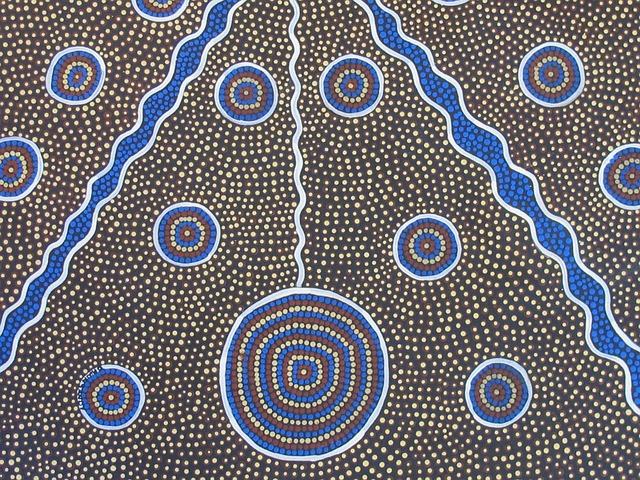
Australian Aboriginal peoples, recognized as the continent’s first inhabitants, represent one of the world’s oldest continuous cultures. According to Britannica, these diverse groups have inhabited Australia for over 65,000 years, developing rich traditions, languages, and connections to the land. As contemporary Australia grapples with issues of reconciliation, recognition, and cultural preservation, understanding the history and heritage of Aboriginal peoples remains essential. This article explores their enduring legacy, contributions, and the challenges they face in today’s society.
Cultural Heritage and Traditional Practices of Australian Aboriginal Peoples
The richness of Indigenous Australian culture is deeply rooted in practices that have been preserved for tens of thousands of years, showcasing an extraordinary connection to the land and spirituality. Central to this heritage is the concept of Dreamtime, a complex network of stories, songs, and ceremonies that explain the creation of the world and the laws governing human behavior. These oral traditions are meticulously passed down, often accompanied by intricate rock art, body painting, and dance, each symbolizing significant ancestral beings and natural elements. Such expressions not only maintain cultural identity but also reinforce social cohesion within diverse Aboriginal groups scattered across Australia’s vast regions.
Traditional practices extend beyond ritual and storytelling to encompass a sophisticated knowledge of the environment. Aboriginal peoples have developed sustainable land management techniques, such as controlled burning, which promote biodiversity and reduce the risk of larger bushfires-a practice now gaining recognition in modern ecological sciences. Their use of natural resources for food, medicine, and tools reflects deep expertise in local ecosystems. The preservation of languages, kinship systems, and customary law further illustrate the dynamic and enduring nature of Aboriginal cultural life, even as communities navigate contemporary challenges and assert their rights in Australian society.
- Dreamtime narratives as a foundational spiritual framework
- Artistic expressions including painting, dance, and music
- Environmental stewardship through traditional land management
- Language preservation and transmission of oral histories
- Customary laws governing social and moral conduct
Challenges Facing Indigenous Communities in Contemporary Australia
Indigenous communities across Australia continue to grapple with a complex array of social and economic hurdles that impede their progress. High rates of unemployment, limited access to quality education, and inadequate healthcare services remain persistent issues, disproportionately affecting Aboriginal populations. These challenges are often exacerbated by systemic barriers and historical marginalization, contributing to disparities in life expectancy and overall well-being compared to non-Indigenous Australians. Furthermore, the struggle to preserve cultural identity amid rapid urbanization and modernization creates additional layers of difficulty for these communities.
Efforts to address these concerns face obstacles such as:
- Land rights disputes that hinder economic development and cultural preservation.
- Inadequate housing conditions leading to overcrowding and sanitation problems.
- Access to clean water and essential services, particularly in remote regions.
- Systemic racism and discrimination that affect educational and employment opportunities.
- Mental health crises and substance abuse linked to historical trauma and socioeconomic stressors.
Addressing these multifaceted challenges requires sustained governmental commitment, community-led initiatives, and broader societal recognition of the ongoing impacts of colonization.
Pathways to Preservation and Empowerment Through Education and Policy Reform
The journey towards safeguarding the cultural heritage of Australian Aboriginal peoples is increasingly anchored in innovative education programs and comprehensive policy reforms. Educational institutions across the country are integrating Indigenous perspectives into their curricula, emphasizing traditional knowledge, languages, and histories that have long been marginalized. These efforts are not only revitalizing connections between younger generations and their ancestral roots but also fostering broader societal respect and understanding. Community-led initiatives are at the forefront, with elders and cultural custodians collaborating closely with schools to develop authentic learning experiences that resonate deeply with Aboriginal identity.
Policy reforms are likewise pivotal in dismantling systemic barriers that have historically impeded Aboriginal empowerment. Legislative measures focusing on land rights, health equity, and self-governance are beginning to reshape the socio-political landscape. Key areas of progress include:
- Recognition of native title rights that legally acknowledge traditional ownership and usage of land.
- Funding for Indigenous-led health and social services aimed at closing the gap in wellbeing indicators.
- Support for language preservation programs to protect endangered Aboriginal languages for future generations.
These interconnected approaches signify a growing commitment to not only preserve Aboriginal culture but to empower these communities through self-determination, ensuring their voices are central in Australia’s evolving narrative.
To Conclude
As Australia continues to evolve, the rich cultural heritage and enduring resilience of Aboriginal peoples remain integral to the nation’s identity. Understanding their history, traditions, and contemporary contributions offers crucial insight into Australia’s past and future. For a comprehensive exploration of these topics, Britannica provides a detailed and reliable resource, ensuring that the stories of Aboriginal Australians are recognized and respected in the broader narrative of the country.