
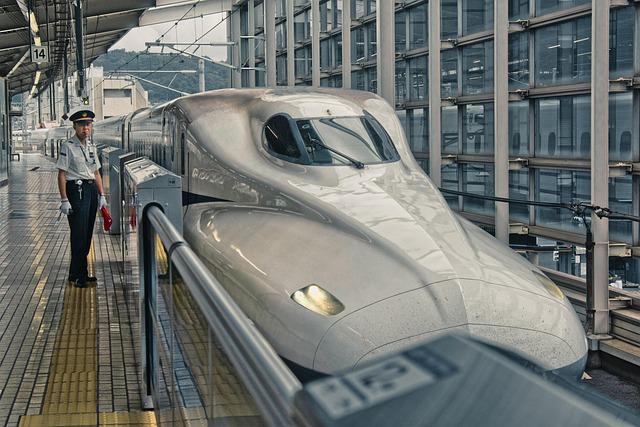
A serious train collision near Copenhagen, Denmark, has triggered a massive emergency response, authorities report. The incident, which occurred earlier today, has led to significant disruptions in the region and prompted urgent rescue operations. Details remain limited as emergency services continue to manage the situation, with officials working to assess the extent of casualties and damage. This developing story highlights the critical response efforts underway to ensure the safety of those affected.
Train Collision in Denmark Near Copenhagen Triggers Large Scale Emergency Operations
Emergency services were immediately dispatched to the scene following a severe train collision just outside the Danish capital. Rescue teams, including firefighters, paramedics, and police, mobilized rapidly to manage the chaotic aftermath. According to eyewitness accounts, the impact caused multiple carriages to derail, resulting in significant damage and trapping several passengers inside. Authorities have confirmed several casualties, with ongoing efforts to safely evacuate those involved and provide urgent medical aid.
Key response measures include:
- Deployment of specialized heavy rescue equipment to access trapped victims
- Establishment of a temporary triage center near the crash site
- Coordination between local hospitals to receive and treat the injured
- Traffic diversions and disruption management around the affected area
Investigators have begun a preliminary inquiry into the cause of the collision, while officials urged the public to avoid the vicinity to allow emergency operations to proceed smoothly. The Danish Transport Authority has pledged full cooperation in the ongoing investigation and vowed to enhance railway safety protocols moving forward.
Detailed Eyewitness Accounts Reveal Chaos and Heroism at the Crash Site
Eyewitnesses at the scene recounted moments of panic and swift action as the collision occurred on the outskirts of Copenhagen. Many described a deafening impact followed by a billow of smoke and debris. Passengers and bystanders alike were seen assisting the injured before emergency services arrived. One witness, a local shop owner near the tracks, described the scene as “utter chaos,” with survivors stumbling through the wreckage trying to reach safety. She emphasized the bravery of several individuals who risked their own safety to pull others from the mangled carriages.
First responders arrived within minutes, coordinating a massive rescue effort involving police, firefighters, and medical teams. Emergency crews worked tirelessly amidst challenging conditions to triage the wounded and clear the area. Survivors recalled the calm professionalism displayed by paramedics, crediting their rapid intervention with saving lives. Among the heroic acts recounted were:
- A train conductor who helped evacuate passengers before abandoning the control cabin.
- Local residents who provided blankets and medical supplies immediately after the crash.
- Firefighters who battled nearby brush fires ignited by the collision.
These accounts paint a vivid picture of tragedy intersected with courage and community solidarity amid one of Denmark’s most harrowing railway disasters in recent memory.
Experts Call for Urgent Safety Reforms and Enhanced Rail Infrastructure Measures
In the aftermath of the harrowing train collision near Copenhagen, industry leaders and safety experts have voiced strong demands for immediate action to prevent future catastrophes. The incident has reignited debates surrounding the adequacy of current safety protocols and the pressing need to modernize aging rail systems. Analysts stress that without significant reforms, similar tragedies may continue to threaten passengers and personnel across Denmark’s rail network.
Key recommendations emerging from recent expert panels include:
- Upgrading signaling and communication technologies to enhance real-time monitoring.
- Implementing stricter maintenance schedules for rolling stock and track infrastructure.
- Increasing investment in staff training focused on emergency preparedness and risk management.
- Expanding governmental oversight with independent safety audits and transparent reporting mechanisms.
Stakeholders emphasize that these measures, combined with a holistic approach to railway management, are vital for safeguarding public trust and ensuring the long-term resilience of Denmark’s rail transportation system.
In Summary
As authorities continue their investigation into the cause of the collision, emergency crews remain on high alert to assist those affected by the incident. The train collision near Copenhagen has highlighted the critical importance of rapid response and coordinated efforts in managing transportation emergencies. Updates will follow as more information becomes available.