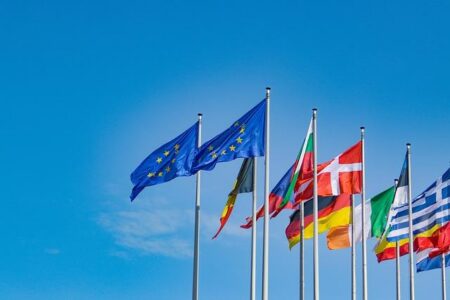

France and Germany have reaffirmed their joint commitment to cloud sovereignty, underscoring a shared vision for greater control and security over European data infrastructure. In an exclusive interview with Euractiv, the French minister highlighted the importance of this transnational cooperation amid growing concerns over reliance on foreign cloud providers. The alliance signals a significant step towards strengthening Europe’s digital autonomy in an increasingly competitive global landscape.
France and Germany Align on Cloud Sovereignty to Strengthen Digital Independence
During a recent interview, the French minister emphasized the growing collaboration between France and Germany to establish robust cloud infrastructure that prioritizes national control over data and technology. This initiative reflects a shared commitment to reducing reliance on foreign technology providers, thereby boosting digital sovereignty within the European Union. The minister highlighted key goals such as:
- Developing secure and independent cloud data centers that comply with stringent European privacy regulations.
- Encouraging innovation through joint research and investment in cutting-edge cloud technologies to enhance competitiveness.
- Strengthening regulatory frameworks to ensure that data protection and sovereignty are cornerstones of future digital policies.
This alignment between two of Europe’s largest economies signals a strategic shift aimed at reshaping the continent’s approach to digital infrastructure. With cloud computing becoming increasingly vital for both public institutions and private enterprises, the Franco-German alliance serves as a model for fostering technological autonomy and securing digital assets against geopolitical vulnerabilities.
French Minister Calls for Enhanced European Data Protection Frameworks
At a recent press conference, the French Minister of Digital Affairs emphasized the urgent need for strengthening Europe’s data protection frameworks to safeguard digital sovereignty. Highlighting ongoing collaborations with Germany, the minister underscored that current regulations must evolve alongside rapidly advancing cloud technologies. The call extends beyond mere compliance, focusing on creating robust mechanisms that can prevent data from falling under foreign jurisdictions, thus ensuring European citizens’ privacy and security.
Key points raised include:
- Establishing comprehensive cross-border data governance models tailored for European cloud infrastructure.
- Enhancing transparency and accountability standards for tech providers operating within the EU.
- Promoting investments in homegrown cloud services to reduce dependency on non-European platforms.
The minister concluded by reiterating the strategic importance of a unified stance between France and Germany, positioning the alliance as a driving force behind the EU’s ambition to become a global leader in cloud sovereignty and digital trustworthiness.
Policy Recommendations Emphasize Collaboration and Investment in Local Cloud Infrastructure
In a joint call for action, French and German officials highlighted the urgent need to bolster local cloud capabilities through increased investment and strategic collaboration. Emphasizing the importance of technological sovereignty, they stressed that relying on external providers poses risks to data security and economic independence. Both countries are advocating for policy frameworks that encourage public-private partnerships, innovation hubs, and dedicated funding streams to accelerate the development of homegrown cloud infrastructure.
Key proposals include:
- Incentivizing domestic cloud service providers to compete on a global scale by offering tax breaks and subsidies.
- Strengthening cross-border cooperation within the European Union to create a unified approach toward digital sovereignty.
- Establishing robust regulatory standards that ensure data privacy and promote transparency in cloud technologies.
- Enhancing skills development programs to build a workforce equipped for next-generation cloud computing challenges.
The Conclusion
As France and Germany continue to align their strategies on cloud sovereignty, their joint commitment signals a significant push towards greater technological autonomy within the European Union. This collaboration not only underscores the importance of safeguarding data amid rising geopolitical tensions but also sets the stage for a coordinated European approach to digital infrastructure. Moving forward, stakeholders will be watching closely to see how this alliance influences broader EU policies and the global cloud computing landscape.