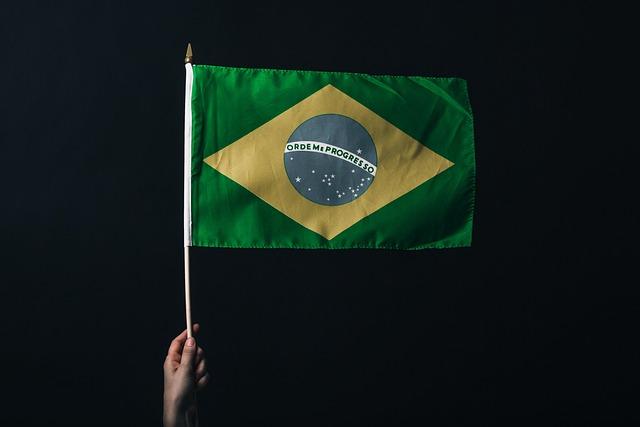
Brazil’s Vice President Geraldo Alckmin has underscored the significance of the recently revived Mercosur-European Union trade agreement as a beacon of economic stability amid ongoing global uncertainties. Speaking to European audiences, Alckmin emphasized that the long-awaited deal not only strengthens ties between South America and Europe but also provides a critical counterbalance to worldwide market volatility. As geopolitical tensions and supply chain disruptions continue to challenge international commerce, Brazil positions itself-and the Mercosur bloc-as reliable partners committed to fostering sustainable growth and cooperation.
Brazil’s Vice President Alckmin Emphasizes Economic Stability Through Mercosur-EU Trade Agreement
During a recent address, Brazil’s Vice President Geraldo Alckmin underscored the strategic importance of the Mercosur-EU trade agreement as a pillar of economic stability in turbulent times. Alckmin emphasized that amidst fluctuating global markets and geopolitical uncertainties, the deal represents a beacon of sustained growth and resilience for Latin America’s largest economy. He highlighted key benefits such as enhanced market access, diversified trade channels, and the reinforcement of Brazil’s commitment to multilateral cooperation.
Key advantages outlined by Alckmin include:
- Boosted export opportunities for Brazilian agribusiness and manufacturing sectors
- Strengthened regulatory harmonization between Mercosur and the European Union
- Increased foreign investment driven by greater economic predictability
- Promotion of sustainable trade practices aligned with global environmental goals
Alckmin also stressed that this agreement comes at a critical juncture, acting as a counterbalance to protectionist trends worldwide and fostering deeper integration between South America and Europe. The Vice President’s remarks reflect Brazil’s strategic vision to leverage multilateral partnerships as engines for economic stability and long-term prosperity.
Strategic Benefits of the Mercosur-EU Deal Amid Global Market Volatility
As global markets face unprecedented uncertainty, the Mercosur-EU agreement emerges as a crucial pillar for economic resilience. Brazil’s Vice President Alckmin underscored the pact’s role in creating a stable trade framework that can withstand external shocks, offering predictable access to vital markets. This partnership is expected to mitigate the risks stemming from geopolitical tensions, supply chain disruptions, and inflationary pressures by fostering diversified trade channels and lowering tariffs.
Key strategic advantages highlighted include:
- Enhanced market access for South American exports to the EU, stimulating growth in agriculture and manufacturing sectors.
- Strengthening supply chains through closer integration, reducing dependency on volatile regions.
- Promotion of sustainable investment frameworks aligning with global climate goals, boosting green technologies and innovation.
- Increased bargaining power for both blocs in a rapidly shifting international trade landscape.
Policy Recommendations for Strengthening Brazil’s Role in Regional and Global Trade Partnerships
To enhance Brazil’s influence within regional and global trade frameworks, policymakers must prioritize the modernization of Mercosur’s regulatory framework to increase flexibility and responsiveness to evolving economic conditions. Strengthening digital infrastructure and customs procedures can expedite trade flows, reducing bureaucratic delays that hinder competitiveness. Additionally, investment in sustainable industries and green technologies should be accelerated, aligning Brazil’s trade agenda with international climate commitments and attracting environmentally conscious partners. These initiatives will not only bolster Brazil’s export capabilities but also reinforce its leadership role in South America.
Furthermore, Brazil should actively pursue diversified trade partnerships beyond traditional Mercosur allies, leveraging the Mercosur-EU agreement as a model for future negotiations. This includes deepening ties with Asia-Pacific economies and Africa, regions showing promising growth and demand for Brazilian commodities and manufactured goods. Strengthening multilateral engagement in forums such as the World Trade Organization and actively defending a rules-based global trading system will safeguard Brazil’s interests amid geopolitical tensions. Comprehensive policies supporting innovation, workforce development, and small-to-medium enterprises integration into export chains are equally vital to maximize the socio-economic benefits of expanded trade agreements.
Final Thoughts
As Brazil’s Vice President Geraldo Alckmin underscores, the Mercosur-EU trade agreement stands as a beacon of economic stability amidst an increasingly uncertain global landscape. The deal not only promises to deepen ties between South America and Europe but also signals a strategic commitment to multilateral cooperation in times of geopolitical and economic turbulence. As both blocs navigate the complexities of global markets, the Mercosur-EU partnership could serve as a critical pillar supporting sustainable growth and regional integration for years to come.