More than three decades after the catastrophic nuclear disaster at Chernobyl, the echoes of its environmental and human toll continue to resonate across Eastern Europe. Yet, while the world has moved toward greater transparency and accountability in nuclear safety, Russia’s approach remains marked by a troubling persistence of arrogance and denial. This opinion piece examines how Moscow’s unwillingness to fully acknowledge past mistakes and its current political posturing impede progress on nuclear responsibility, raising critical questions about the legacy of Chernobyl and the risks still lurking beneath the surface.
Russia’s Continuing Denial of Chernobyl’s Environmental Impact
For decades following the 1986 disaster, official Russian narratives have consistently downplayed the catastrophic environmental consequences wrought by Chernobyl. Despite undeniable scientific evidence and international reports highlighting the extensive radioactive contamination of air, water, and soil, Russian officials have often characterized the event as a “manageable incident,” thereby minimizing its far-reaching ecological damage. This persistent denial not only hampers critical environmental remediation efforts but also undermines global accountability and transparency. The reluctance to openly address the full scope of the disaster’s fallout signals a broader pattern of state-controlled information designed to preserve national pride over ecological truth.
Impacts frequently obscured or trivialized include:
- Long-term contamination of agricultural lands affecting food safety and biodiversity
- Increased rates of cancer and genetic mutations linked to radiation exposure
- Displacement of communities and destruction of natural habitats in surrounding regions
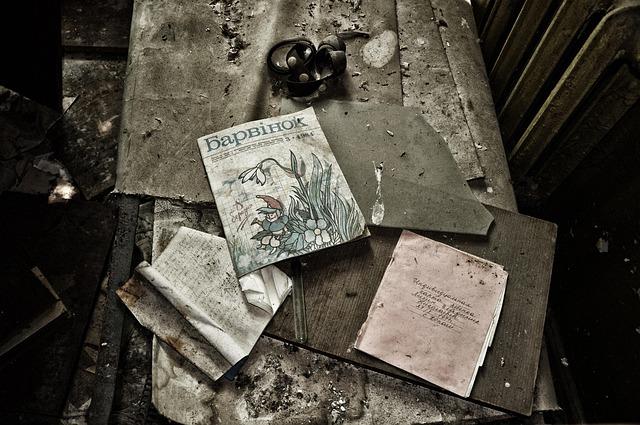
While the Chernobyl exclusion zone remains a poignant symbol of nuclear disaster, Russia’s refusal to fully acknowledge its environmental legacy continues to stall meaningful progress. Such arrogance not only endangers public health but also erodes trust in governmental accountability, leaving the global community to grapple with the consequences of a crisis long passed but far from resolved.
The Political Motives Behind Moscow’s Persistent Nuclear Attitude
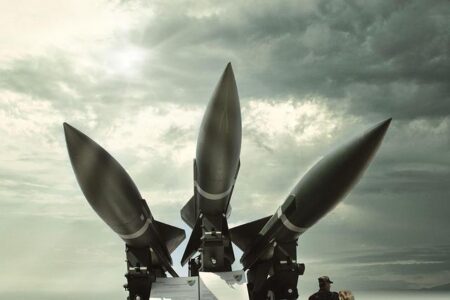
Moscow’s unwavering commitment to maintaining and modernizing its nuclear arsenal is less about defense and far more intertwined with its quest for geopolitical influence. By projecting a formidable nuclear posture, Russia seeks to reaffirm its status as a global power, deterring Western intervention and reinforcing its leverage in international negotiations. This approach reflects a broader political strategy aimed at revitalizing national pride and asserting dominance amid perceived encroachments by NATO and the European Union. The persistent emphasis on nuclear capabilities signals Moscow’s intent to keep adversaries off balance, ensuring that its threats carry substantial weight on the world stage.
Behind this posture lies a calculated set of political objectives, including:
- Consolidating internal support: Nuclear strength serves as a symbol of national resilience, bolstering the government’s domestic legitimacy amid economic and social challenges.
- Strategic bargaining: By flaunting its nuclear arsenal, Russia gains critical bargaining chips in diplomatic arenas, influencing arms control talks and regional conflicts.
- Countering Western alliances: Maintaining a robust nuclear profile allows Russia to push back against NATO’s expansion and assert alternative security frameworks in Eurasia.
In this light, Moscow’s nuclear policy is not simply a relic of Cold War anxieties but a deliberate, politically motivated instrument designed to navigate the complexities of 21st-century power dynamics.
Urgent Calls for Transparency and International Oversight to Prevent Future Disasters
In the wake of historical nuclear catastrophes, the global community has repeatedly emphasized the need for openness and accountability from nations operating such high-risk facilities. Yet, Russia’s continued reluctance to invite rigorous international scrutiny undermines these efforts, posing a latent threat not only to its own citizens but to the entire region and beyond. Transparency is no longer optional; it is essential for mitigating risks. Without it, early warning systems, emergency response protocols, and preventive measures remain inadequate and reactive rather than proactive.
Experts and advocacy groups call for:
- Enhanced collaboration with international bodies like the International Atomic Energy Agency (IAEA).
- Real-time sharing of safety data and independent inspections.
- Comprehensive disaster preparedness drills conducted under global supervision.
- Accountability mechanisms to ensure compliance and timely corrective actions.
Only through a robust framework of international oversight-and Russia’s willingness to engage fully-can future disasters be averted, protecting millions from the catastrophic consequences of negligence and secrecy.
In Retrospect
As the world reflects on the enduring legacy of the Chernobyl disaster, the continued posture of denial and deflection from Russian authorities raises pressing concerns about accountability and transparency. Decades after one of history’s worst nuclear catastrophes, the lessons remain crucial-not only for those directly affected but for the global community at large. In confronting the past, it becomes clear that overcoming arrogance and embracing responsibility are essential steps toward a safer and more informed future.