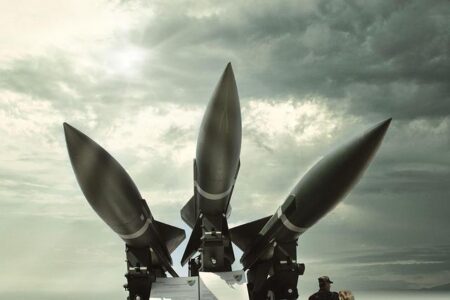
China’s strategic concerns are mounting following India’s recent defence agreement with South Korea, a development that experts say could shift regional power dynamics in Asia. The deal, which marks a significant deepening of military cooperation between New Delhi and Seoul, comes at a time of heightened rivalry in the Indo-Pacific region. Beijing views the partnership with skepticism, interpreting it as a move that could undermine its influence and complicate its security calculus. This article explores why China is likely to view India’s latest defence pact with South Korea unfavourably, and what it means for the evolving geopolitical landscape.
China’s Strategic Concerns Over India South Korea Defence Collaboration
China views the burgeoning defence partnership between India and South Korea as a calculated move to counterbalance its expanding influence in the Indo-Pacific region. With both India and South Korea ramping up military cooperation through joint exercises, technology transfers, and defence production pacts, Beijing perceives this trilateral dynamic as an emerging strategic challenge. The collaboration signals not only a deepening of bilateral ties but also an alignment of interests among nations wary of China’s assertiveness in contested waters and border areas.
Key points of concern for China include:
- Enhanced military interoperability: India and South Korea’s ability to coordinate defence capabilities could complicate China’s operational freedom maritime and land domains.
- Technology sharing and indigenous upgrades: South Korea’s advanced defence technology, when combined with India’s large manufacturing base, poses a significant boost to regional military balance.
- Geopolitical signaling: The partnership reflects a subtle but clear message to Beijing, emphasizing the solidarity of Indo-Pacific democracies against unilateral strategic moves.
Implications for Regional Security and Power Dynamics
The new defence partnership between India and South Korea is poised to recalibrate the strategic balance in the Indo-Pacific region, introducing fresh variables into an already intricate geopolitical equation. For China, which has historically viewed India’s engagements with other regional powers through a lens of competition, this move signals a potential shift towards greater containment strategies orchestrated by New Delhi. The enhanced military cooperation could lead to improved interoperability and intelligence sharing, thereby strengthening the logistical and operational capabilities of both nations amidst rising tensions with Beijing.
Key ramifications include:
- Augmented trilateral security frameworks involving India, South Korea, and Japan, intensifying challenges to China’s regional dominance.
- Acceleration of defence technology transfers, fostering indigenous modernization efforts and reducing reliance on Chinese-supplied platforms.
- Heightened vigilance along contested maritime zones, with potential for rapid deployment of advanced assets altering the status quo in the South China Sea.
These developments collectively craft a more assertive posture among Indo-Pacific democracies, compelling China to reassess its strategic priorities and possibly escalate its military readiness in response to perceived encirclement.
Recommendations for Diplomatic Engagement to Ease Bilateral Tensions
To mitigate the rising strains between India and China triggered by the recent defence collaboration with South Korea, it is imperative for both nations to prioritize open communication channels and reinforce existing diplomatic frameworks. Confidence-building measures such as regular military dialogues, joint border management workshops, and transparent information exchanges could alleviate misunderstandings and reduce the risk of unintended escalations. Furthermore, engaging in third-party mediation or leveraging multilateral platforms like BRICS or the Shanghai Cooperation Organisation would provide neutral grounds to address security concerns without compromising national interests.
Additionally, policymakers should focus on fostering economic and cultural exchanges alongside security talks to create a more holistic atmosphere of trust. Initiatives might include:
- Enhanced people-to-people interactions through academic and cultural exchanges
- Joint infrastructural projects in border regions to boost local economies
- Collaborations in non-military sectors such as technology and climate change
By intertwining diplomatic efforts with socio-economic cooperation, both India and China can work towards reducing bilateral tensions, ensuring that emerging defence partnerships in the region do not translate into deeper strategic rivalries.
Closing Remarks
As India deepens its strategic ties with South Korea through this latest defence agreement, Beijing is likely to view the development with increasing concern. The deal not only signals New Delhi’s intent to diversify its defence partnerships but also reflects a broader realignment in the Indo-Pacific region’s geopolitical landscape. For China, this move could be perceived as a challenge to its regional influence and an obstacle to its strategic ambitions. As these dynamics continue to evolve, the implications of India-South Korea defence cooperation will remain a critical factor in shaping the future balance of power in Asia.