
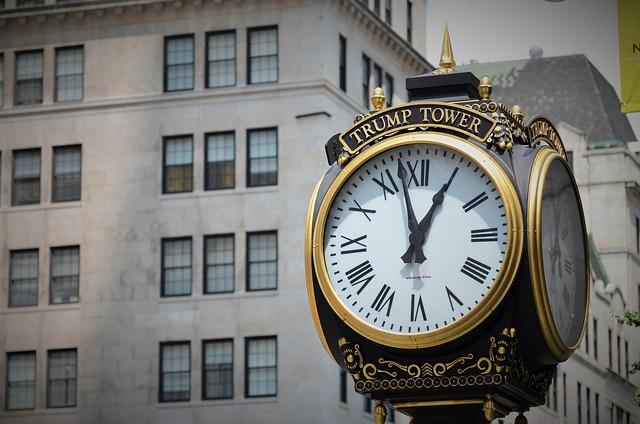
Britain and Spain have firmly rejected recent reports that former U.S. President Donald Trump considered imposing punitive measures against the two nations. According to sources cited by The New York Times, these alleged plans stemmed from diplomatic disputes and policy disagreements during his administration. Both governments have since dismissed the claims, emphasizing their commitment to maintaining strong bilateral relations with the United States. This development adds a new chapter to the complex and often contentious interactions between Washington and its European allies.
Britain and Spain Condemn Trump’s Proposed Sanctions as Flawed Diplomatic Strategy
Officials from Britain and Spain have expressed sharp criticism of the recently leaked proposals that suggest imposing sanctions on the two nations by the Trump administration. Diplomats from both countries argue that such punitive measures undermine the longstanding alliances and collaborative efforts that have been instrumental in tackling global issues. British Foreign Secretary described the proposed sanctions as “counterproductive and detrimental to diplomatic relations,” emphasizing that mutual respect and dialogue remain paramount in international affairs.
Sources in Madrid and London have outlined key concerns about the potential impact of sanctions, highlighting several points:
- Economic repercussions: Sanctions could disrupt trade and investment flows, weakening economic recovery post-pandemic.
- Security cooperation: Joint efforts on counterterrorism and defense may suffer setbacks, risking regional stability.
- Diplomatic isolation: Punitive actions risk isolating longstanding partners, diminishing U.S. influence in Europe.
Both governments reaffirmed their commitment to resolving disputes through negotiation and cautioned against using sanctions as a coercive tool that could ultimately backfire.
Experts Warn Potential Fallout Could Strain Transatlantic Relations and Economic Ties
Analysts caution that the recent reports outlining punitive measures by the Trump administration against Britain and Spain could ignite unforeseen tensions across the Atlantic. Diplomatic channels are expected to face heightened pressures, as both nations vocally reject the proposed economic sanctions. The ramifications extend beyond mere political disagreements, threatening to unravel years of established cooperation on trade agreements and security alliances.
Experts emphasize several areas at risk if the fallout materializes:
- Disruption of key trade flows, particularly in sectors such as automotive manufacturing and agriculture.
- Complications in joint defense efforts and intelligence sharing frameworks.
- Potential retaliatory measures that could escalate into a broader transatlantic trade conflict.
With economic ties already strained by global uncertainties, these developments may significantly hinder recovery trajectories for all parties involved, underscoring the fragile nature of international partnerships amid shifting geopolitical landscapes.
Calls for Enhanced Dialogue and Multilateral Approaches to Resolve Underlying Disputes
As tensions rise over recent allegations and retaliatory threats, officials from both Britain and Spain have underscored the necessity of intensified communication channels to address the multifaceted issues at hand. Diplomats emphasize that unilateral punitive measures risk exacerbating conflicts that are deeply rooted in historical, political, and economic complexities. Instead, they advocate for sustained multilateral efforts aimed at fostering mutual understanding and crafting durable agreements that respect the interests of all parties involved.
Key stakeholders across Europe and the Atlantic have proposed several strategies to advance this cooperative framework, including:
- Regular trilateral summits to ensure transparent dialogue and timely conflict resolution.
- Establishment of joint working groups focusing on disputed territories and economic cooperation.
- Engagement with international bodies to facilitate mediation and uphold international law.
- Enhanced public diplomacy initiatives to build trust among affected communities.
By prioritizing dialogue over confrontation, Britain and Spain signal a shared commitment to stability and the prevention of further diplomatic rifts in the transatlantic alliance.
Concluding Remarks
As tensions continue to simmer in transatlantic relations, the firm refusals from Britain and Spain to accept reported punitive measures signal a deepening diplomatic rift. Observers will be watching closely to see how Washington responds and whether dialogue can be restored to avert further escalation. The evolving situation underscores the complexities of international alliances amid shifting political landscapes.